 Sudden Valley
 Why Two "Same Size" Homes Get Very Different Quotes
Ask three siding contractors to bid the same house and you'll often get three numbers that don't look like they're for the same job. That's not necessarily someone padding a bid or someone else lowballing to win the work — siding pricing is genuinely made up of several independent variables, and any one of them can swing a total by thousands of dollars. Square footage gets all the attention because it's the easiest number to picture, but it's rarely the biggest driver of what you actually pay.
This page walks through the real cost factors, in the order they tend to matter, so that when you get quotes for your Sudden Valley home you know what questions to ask and why the numbers differ.
Square Footage and Home Shape
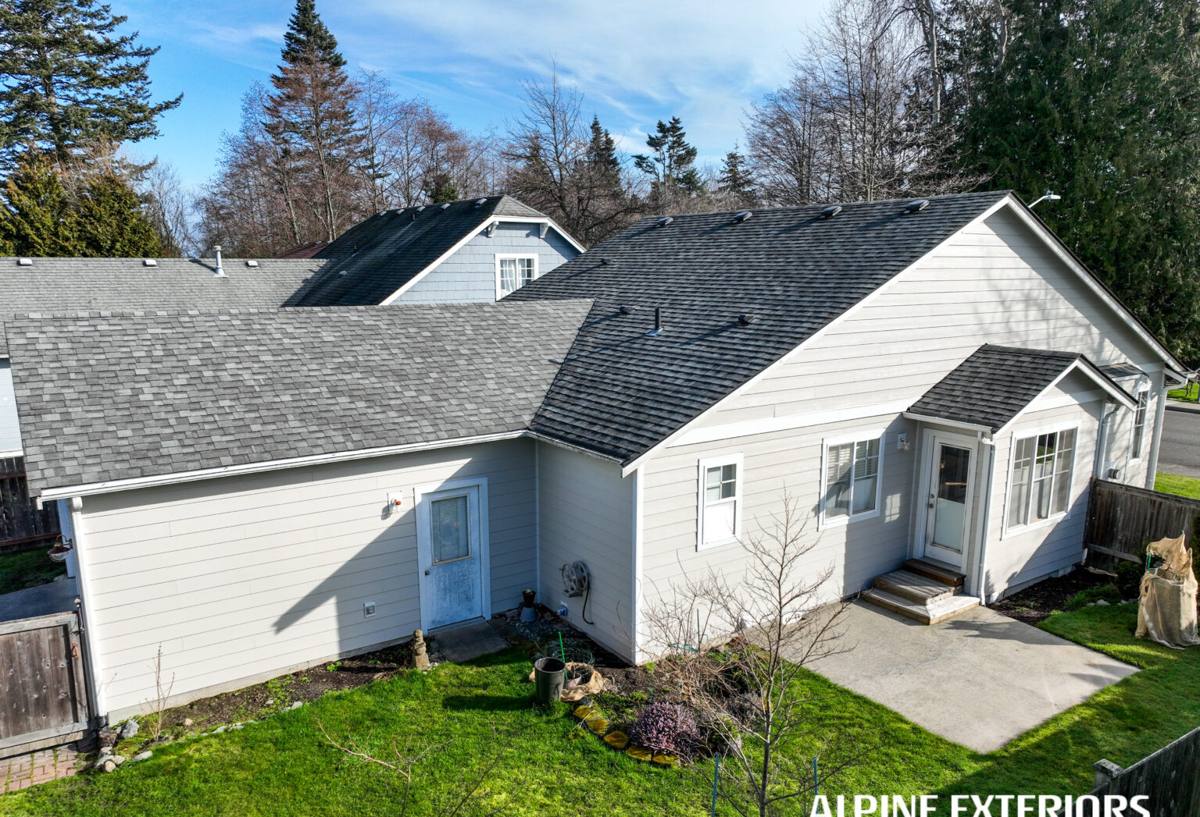
Square footage sets the floor for material cost, but shape sets the labor cost — and labor is usually the larger of the two. A simple rectangular ranch with few corners is fast to wrap. A home with dormers, bump-outs, multiple gables, a wraparound porch, or a lot of second-story cutting and fitting takes meaningfully longer per square foot, even at the same total area.
- More corners and transitions mean more cuts, more flashing detail, and more trim work
- Steep or complex rooflines increase the amount of step flashing and kick-out flashing needed where siding meets roof
- Multi-story homes need more scaffolding or staging time, which adds labor hours before a single piece of siding goes up
- Homes with lots of windows and trim detail take longer to cut and fit around than a plain wall
Two 2,200 square foot homes can land tens of hours apart in labor time purely because of geometry.
What's Hiding Under Your Old Siding
This is the factor that turns a confident phone estimate into a very different number once tear-off starts, and it's the one homeowners are least prepared for. You can't fully know what's behind old siding until it comes off. In a marine climate like this one — with salt air off the water, driving rain that gets pushed sideways into wall assemblies, and a moss season that keeps north-facing walls damp for months at a stretch — moisture problems behind siding are common, not rare.
What a crew sometimes finds once the old material is stripped:
- Rotted sheathing that needs to be cut out and replaced before new siding can go on
- Failed or missing house wrap that let moisture into the wall cavity for years
- Water-damaged trim, window sills, or corner boards
- Old, undersized flashing that never should have passed inspection in the first place
A straightforward re-side with no hidden damage and one with rotted sheathing behind it can be the same square footage and wildly different budgets. Any honest contractor will build a contingency line into your contract for this rather than pretend it doesn't happen — and will show you the damage before repairing it, not just bill for it after the fact.
Product Choice Is the Single Biggest Cost Lever
Material choice moves the number more than almost anything else on this list, and it's the one homeowners have the most control over. Vinyl sits at the low end of upfront cost. Engineered wood products land in the middle. Fiber cement, cedar, and higher-end vinyl systems run higher upfront. But upfront price is only half the story — the other half is what the siding costs you over the 20-30 years you'll own the house.
Cheaper materials often mean more repainting, more caulk maintenance, more vulnerability to moisture and pests, and a shorter practical lifespan before you're re-siding again. More durable materials cost more today and less over time. We install James Hardie fiber cement exclusively, specifically because in a climate that combines salt air, near-constant rain exposure, and long stretches of damp moss season, we've found it holds up with the least maintenance and the fewest callbacks of anything on the market. It costs more than vinyl per square foot. It also isn't something you're likely to be replacing again in fifteen years.
Labor, Complexity, and Crew Time
Fiber cement, in particular, is labor-sensitive in a way that vinyl isn't. It has to be cut, fastened, and flashed correctly, with specific nailing patterns, gaps, and joint treatment to perform the way it's engineered to. A crew that rushes fiber cement installation the way they'd rush vinyl will produce a job that looks fine on day one and fails early. That means labor pricing for fiber cement reflects real skill and time, not just markup — and it's also why the installer you choose matters as much as the product you choose.
Other labor variables worth knowing about:
- Removing and disposing of old siding adds a line item, especially with multiple layers of old material
- Working around mature landscaping, tight side yards, or limited driveway access slows a crew down
- Any structural or sheathing repair found during tear-off adds carpentry hours before siding work resumes
- Detail work around windows, doors, and roof lines takes longer than open wall area
Factory Finish vs. Field-Applied Paint
Some siding materials come pre-finished from the factory; others need to be primed and painted on site after installation, or repainted every several years afterward. Factory-applied finishes, like Hardie's ColorPlus coating, add cost to the material itself but eliminate a recurring maintenance expense homeowners often forget to price into their long-term budget. Field-painted or unfinished materials look identical to factory-finished ones on installation day — the cost difference shows up five and ten years later in repainting bills, not on the initial invoice.
When comparing quotes, it's worth asking directly whether the price includes a factory finish or whether painting is a separate cost you'll be responsible for down the road.
Permits, Disposal, and Site Access
A handful of smaller factors round out the total:
- Permits. Whatcom County and local jurisdictions may require permits for full siding replacement, particularly if sheathing or structural work is involved. A legitimate contractor pulls these rather than skipping them.
- Disposal. Old siding, especially multiple layers, has to go somewhere. Dumpster and haul-away costs vary by how much material comes off the house.
- Site access. Homes on tight lots, steep driveways, or with limited staging space can add setup time and equipment cost.
- Season and scheduling. Contractors juggling a backlog of storm and moisture repair work in wetter months may price rush timelines differently than a job booked with lead time.
Cost Factors at a Glance
| Factor | Typical Impact on Price | Why |
|---|---|---|
| Home size (sq ft) | Moderate, predictable | Sets material quantity baseline |
| Home shape/complexity | High | More corners, cuts, and flashing detail add labor hours |
| Hidden moisture/rot damage | Variable, sometimes significant | Sheathing and framing repair discovered during tear-off |
| Siding material chosen | Very high | Material cost per square foot varies widely by product |
| Installation skill required | Moderate to high | Fiber cement and detail-heavy jobs take more skilled labor hours |
| Factory finish vs. field paint | Moderate upfront, large over time | Shifts cost from recurring maintenance to one-time material price |
| Site access and disposal | Low to moderate | Staging, hauling, and dump fees |
Getting a Quote You Can Actually Compare
The reason quotes look so different from contractor to contractor is often that they're not measuring the same things. Before you compare numbers, make sure each bid answers the same set of questions.
- Does the quote specify the exact product line, not just "fiber cement" or "vinyl" generically?
- Is the finish factory-applied, or will you need to paint after installation and again in future years?
- What happens if rot or moisture damage is found once old siding comes off — is there a contingency process, and how is it priced?
- Is tear-off and disposal of the old siding included, or billed separately?
- Does the quote include correct flashing and moisture-barrier detailing, or just the siding material and labor?
- Who pulls permits, and is that cost included?
- What warranty covers the material, and separately, what warranty covers the installation labor?
A quote that's missing answers to most of these isn't necessarily dishonest, but it isn't complete enough to compare against one that is.
What This Means for Homes in Sudden Valley
Local conditions push a few of these factors harder than they'd matter in a drier inland climate. The combination of salt-laden air, sustained driving rain off the water, and long moss seasons that keep shaded and north-facing walls damp for weeks at a time means moisture-related tear-off surprises are more common here than in many parts of the state, and the case for a factory-finished, moisture-resistant material is stronger. It's a big part of why we standardized on James Hardie fiber cement rather than offering a menu of lower-cost options — we'd rather quote one product we trust to hold up in this climate than quote several and let price alone make the decision.
If you're weighing a siding replacement and want a real number instead of a rough guess, we're happy to take a look at your home, measure it properly, and walk you through what's actually driving your specific quote. The estimate is free, and there's no pressure to move forward — just an honest look at what the job involves.