 Sudden Valley
 What We Mean by "Primed Wood Siding"
When homeowners in Sudden Valley ask us about primed wood siding, they're usually talking about solid or finger-jointed pine, fir, or spruce boards that arrive from the mill with a factory primer coat, ready for a contractor to install and finish-paint on site. It's been a staple of Pacific Northwest construction for decades, and a lot of homes around Lake Whatcom still wear it. We understand why it's tempting — it looks like traditional wood siding because it is traditional wood siding, and the up-front material cost is often lower than fiber cement or engineered alternatives.
That said, we made a decision a while back to stop installing it, and we think homeowners deserve the honest reasoning behind that, not a sales pitch against a competing product. This page walks through what primed wood does well, where it struggles specifically in our climate, and why James Hardie fiber cement is the only siding system we put on homes today.
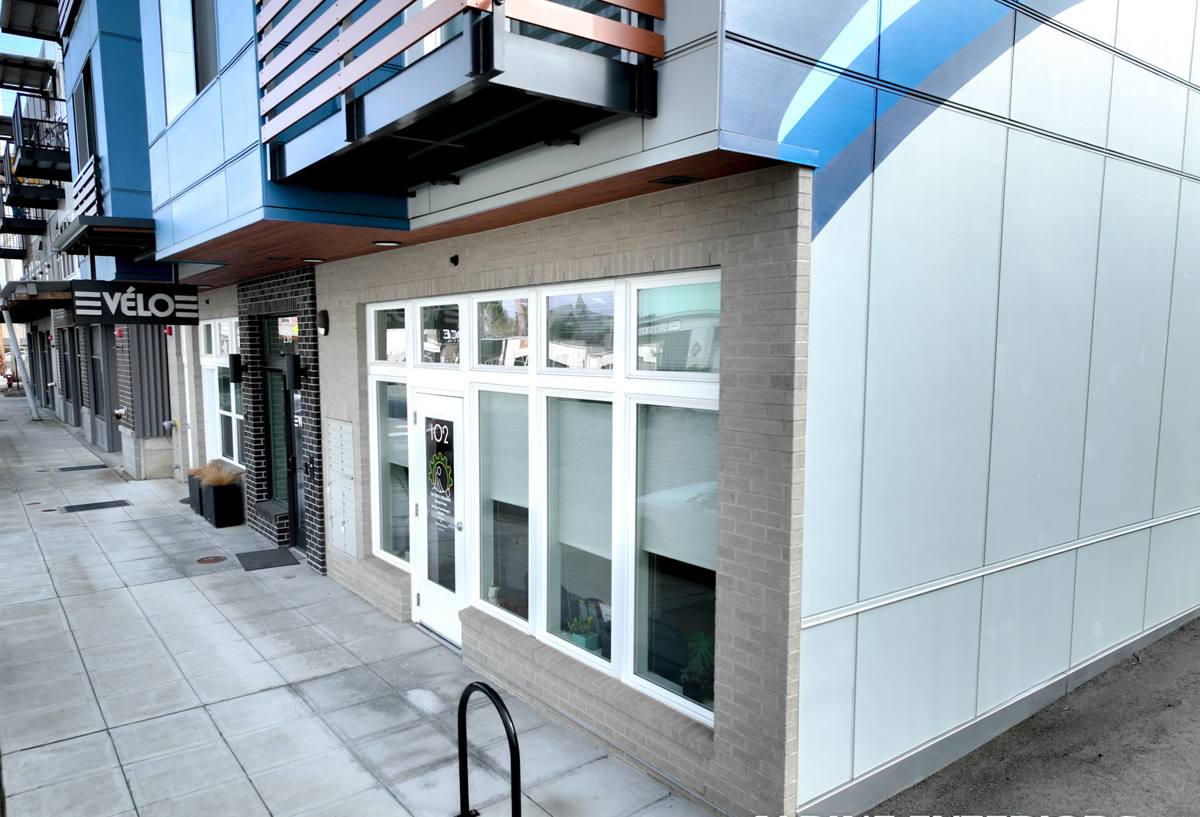
What Primed Wood Siding Gets Right
To be fair to the product: primed wood siding, installed and maintained correctly, can look excellent. It takes paint well, it's easy for a carpenter to cut and fit around tricky trim details, and it has a real, traditional look that some homeowners specifically want — especially on older Sudden Valley homes where matching existing wood trim matters. It's also a familiar material; most painters and carpenters in Whatcom County know how to work with it, and repairs are generally simple in concept, even if they're needed often.
If you live somewhere dry, keep up with repainting on a strict schedule, and don't mind the maintenance rhythm, primed wood can serve a homeowner reasonably well. Our objection isn't that the product is junk — it's that the maintenance burden and moisture risk it carries are a poor match for the specific climate we build in.
The Moisture Problem in a Marine Climate
Whatcom County sits in a marine climate zone — salt-tinged air moves in off Bellingham Bay, driving rain comes sideways off the Sound for months at a stretch, and even inland around Sudden Valley and Lake Whatcom, humidity stays high enough long enough that surfaces rarely get a real chance to fully dry out between storms. That combination is hard on any exterior wood product, primed or not.
Wood is hygroscopic — it absorbs and releases moisture with the weather. Primer and paint slow that exchange, but they don't stop it, and the places where the wood is most exposed (butt joints, cut ends, nail penetrations, and anywhere caulking has shrunk or cracked) are exactly where water gets in fastest. Once moisture is inside the board, it doesn't evaporate quickly in our climate. It sits, cycles with temperature, and slowly breaks down the wood fiber and the paint bond from the inside.
Where It Shows Up First
- Butt joints and board ends, where factory primer usually doesn't extend and field-cut edges are often under-sealed
- Bottom courses near grade, splash zones, and areas under gutters without splash guards
- North- and west-facing walls that stay shaded and wet longer after storms
- Anywhere moss, algae, or lichen has established on the surface and is holding moisture against the wood
That long moss season we get here — often stretching from fall through spring — matters more than people expect. Moss doesn't just look bad; it holds a film of moisture against the siding surface for weeks at a time, which is exactly the condition wood siding tolerates worst.
Paint Failure and the Maintenance Cycle
Primed wood siding is only as good as the paint job on top of it, and that paint job has a clock running from the day it's installed. In a drier inland climate, a quality paint job on primed wood might hold up seven to ten years before it needs real attention. In Whatcom County's wetter, moss-prone conditions, we typically see meaningful paint failure — peeling, cracking, or chalking — inside five to seven years, sometimes sooner on sun-and-rain-exposed elevations.
Once paint starts to fail, it doesn't fail evenly. Water gets behind the coating at the cracks, and now you have wood absorbing moisture under an intact-looking paint film elsewhere on the same board. By the time discoloration or soft spots are visible, there's often already rot developing beneath the surface. Repainting isn't optional maintenance with this material — it's the only thing standing between the wood and ongoing moisture damage, and skipping even one cycle in our climate can cost a homeowner more than the repaint would have.
Cut Ends, Fasteners, and Installation Sensitivity
Even a perfect paint schedule can't fully compensate for how sensitive primed wood siding is to installation quality. Every board that gets field-cut to fit a corner, window, or door needs its cut end sealed with primer or end-sealer before it goes up — and in our experience across a lot of homes in this area, that step gets skipped or done inconsistently more often than homeowners realize. An unsealed cut end is essentially an open straw for water.
Fastener choice matters too. Wood siding needs corrosion-resistant nails set correctly — not too shallow, not overdriven — because both mistakes create paint-cracking and moisture entry points. Add in the caulking that has to be maintained at every joint and penetration, and primed wood siding turns out to be one of the more installation-sensitive products on the market. Small shortcuts don't show up as problems immediately; they show up as rot two or three winters later.
Pests, Rot, and Long-Term Durability
Wood siding, primed or not, is still wood — which means it's food and habitat for the things that eat and nest in wood. Woodpeckers looking for insects will go after softened, water-compromised siding, and once they've opened a hole, that's another moisture entry point on top of the ones already there. Carpenter ants and other wood-boring insects are drawn to the same damp, softening wood.
Rot, once it starts in a wood board, doesn't stay contained to the surface. By the time it's visible from outside, the damage frequently extends into the board's core and sometimes into the sheathing behind it. Replacing a few damaged boards is manageable; discovering rot has spread into the wall assembly is a much bigger and more expensive repair — and it's the scenario we've been called in to fix often enough that it shaped our decision not to install the product that leads there.
Comparing the Real Costs Over Time
Material price alone doesn't tell the whole story. Here's how primed wood siding and James Hardie fiber cement generally compare over a typical ownership period in our climate:
| Factor | Primed Wood Siding | James Hardie Fiber Cement |
|---|---|---|
| Initial material cost | Lower | Moderate to higher |
| Repainting cycle | Every 5-7 years in this climate | ColorPlus factory finish: no repainting for 15+ years |
| Moisture absorption risk | High at joints, cut ends, and grade | Very low; not organic material |
| Pest and rot vulnerability | Real, ongoing risk | Non-combustible, doesn't rot or feed pests |
| Installation sensitivity | High — cut-end sealing and caulk upkeep critical | Moderate — engineered installation specs, less forgiving of moisture entry |
| Manufacturer warranty | Typically limited or none on the wood itself | Long-term transferable limited warranty |
| 20-year cost picture | Multiple repaints plus likely board repairs | Minimal recoating; occasional caulk/touch-up |
The lower sticker price on primed wood is real, but it front-loads savings while pushing repainting and repair costs into the years ahead — years when labor and material costs are only going up.
Why We Standardized on James Hardie Instead
We didn't stop installing primed wood siding because it's a bad product in the abstract — we stopped because, given the climate we actually work in, it consistently sets homeowners up for a maintenance burden and moisture risk we don't think is worth it. James Hardie fiber cement is engineered specifically to resist the conditions that break down wood siding here: it doesn't absorb water the way organic wood fiber does, it's non-combustible, and it comes from the factory with a baked-on ColorPlus finish backed by a real, transferable warranty rather than a paint job that starts failing on our timeline, not the homeowner's.
Hardie's HZ5 product line in particular is engineered for climates like ours — wet, moss-prone, with long stretches where surfaces don't fully dry. When it's installed to Hardie's specifications — correct clearances, proper fastening, sealed joints — it's built to handle exactly the driving rain and damp conditions that wear down primed wood siding year after year. That's the standard we hold every installation to, and it's why it's the only siding system we put our name behind.
What to Ask Any Siding Contractor
Whether you go with us or someone else, these are worth asking before you sign a contract for new siding in this climate:
- What is the manufacturer's warranty on the material itself, and is it transferable if you sell the home?
- How are cut ends and butt joints sealed during installation, and is that spelled out in the contract?
- What's the expected recoating or repainting cycle for this specific product in a wet, marine climate?
- Is the product rated or engineered for high-moisture regions, or is that being assumed?
- What happens at grade level and under roof lines where splash-back and standing moisture are most likely?
- Does the installer follow the manufacturer's written installation specs, and will they show you those specs?
If you're weighing your options for a Sudden Valley home — new construction, a re-side, or repair of storm and moisture damage — we're happy to walk your property, look at what's there now, and give you a straightforward, no-pressure estimate for James Hardie siding done right.