 Sudden Valley
 What Board and Batten Actually Is
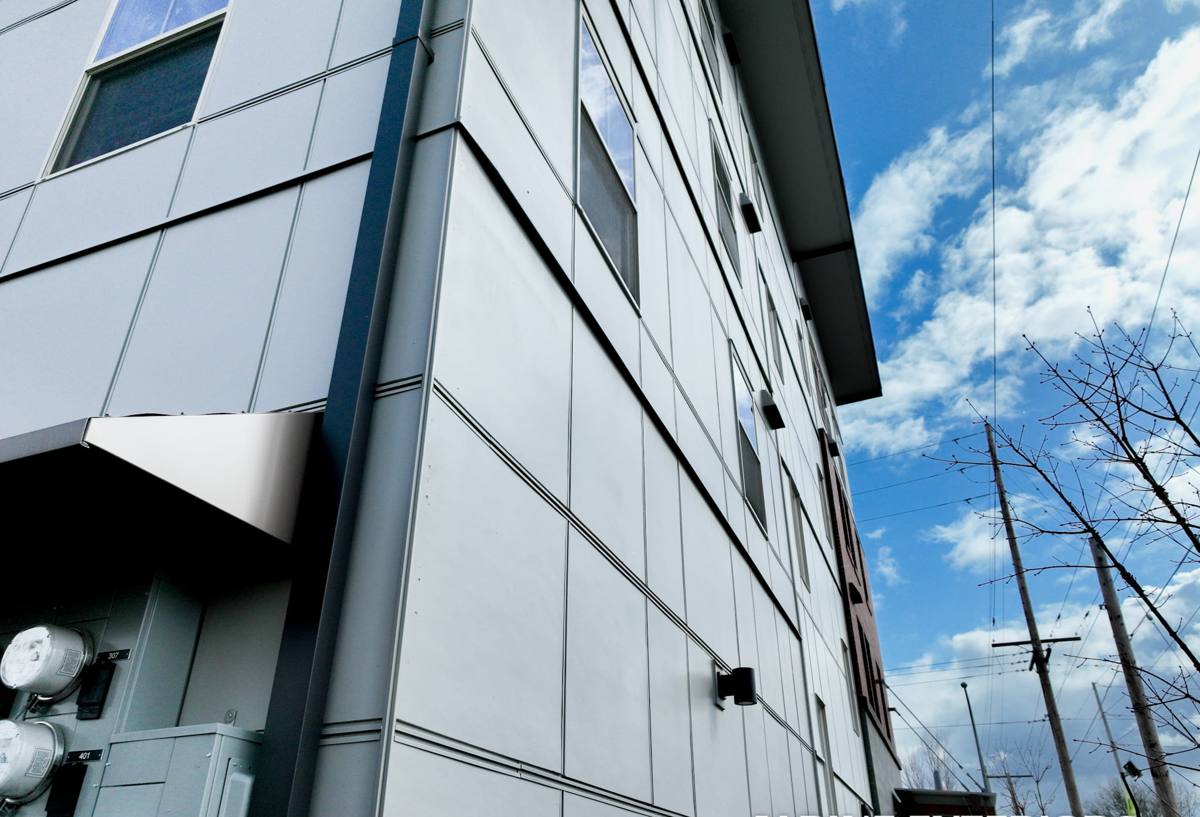
Board and batten is one of the oldest siding patterns in the Pacific Northwest, and it's having a real moment again on homes throughout Whatcom County. The look is simple: wide vertical panels or boards run up the wall, and narrower strips — the battens — cover the seams between them. What most homeowners don't realize is that the pattern is only half the story. The material behind it determines whether that clean vertical look lasts twenty years or turns into a maintenance headache after five.
A Look Rooted in Northwest Architecture
You'll see board and batten on farmhouses, barns, and cabins all over this region, and more recently on modern and craftsman-style homes around Lake Whatcom and Sudden Valley. It reads as clean, deliberate, and a little more custom than standard lap siding. That's part of why it's become a popular choice for accent walls, gables, and full exteriors alike — it photographs well and it fits the local architectural vocabulary. But the pattern itself doesn't do anything to protect your walls. That job falls entirely to the material and the installation underneath it.
Why the Material Behind the Style Matters More Than the Style Itself
Board and batten creates more vertical seams and more butt joints than a standard lap profile. Every seam is a place where water can find its way behind the siding if the material moves, cups, or the joint isn't detailed correctly. That's true no matter what you build it out of. The difference is what happens after water gets a foothold. Wood swells and rots. Vinyl doesn't rot, but it also doesn't hold paint, doesn't stay rigid in the sun, and can't be trimmed tight without looking like it's about to pop off the wall. Engineered wood products can perform well for a while, but they're built around a wood-strand core, and once moisture gets past the finish, that core doesn't recover.
James Hardie fiber cement is a mix of cement, sand, and cellulose fiber. It doesn't have organic wood fiber for moisture to feed on, it doesn't expand and contract the way wood-based products do, and it holds a crisp, factory-cut edge — which matters a lot on a pattern where the edges are the whole point. That's the primary reason we standardized on Hardie for this look. Board and batten forgives sloppy material choices less than almost any other siding profile.
James Hardie's Board and Batten Options
Hardie doesn't make one board and batten product — there are a few ways to build this look correctly, and the right one depends on the home.
HardiePanel Vertical Siding with Batten Strips
This is the traditional approach: full sheet panels installed vertically, with separate batten strips fastened over the seams. It's available in a smooth finish or a cedar-mill texture, and it gives the most flexibility on batten spacing and reveal width, so we can match a specific look — tight traditional spacing or a wider modern reveal.
Hardie Artisan Board and Batten Collection
Hardie's Artisan line is a thicker, more dimensional product engineered specifically for high-end board and batten and shiplap applications. It has a heavier profile than standard panel siding, which gives deeper shadow lines and a more substantial, custom-built look. It costs more than the standard panel-and-batten approach, and we reserve it for homeowners who specifically want that upgraded appearance — it's not necessary for a durable, well-built board and batten wall, but it's a real option worth knowing about.
Both options come in Hardie's HZ5 formulation, engineered for the Pacific Northwest's freeze-thaw cycles and near-constant moisture exposure — not the HZ10 formula built for hot, humid climates, or the HZ3/HZ2 versions built for drier regions. Getting the climate zone right on the material itself is a detail a lot of buyers never think to ask about.
How Board and Batten Is Installed to Spec
This is where most board and batten failures actually happen — not in the material, but in the installation. Hardie publishes detailed installation specs for a reason: fiber cement performs exactly as well as the crew installing it lets it.
Rainscreen and Drainage Plane
Every vertical panel needs to sit over a drainage plane — a water-resistive barrier with a gap or furring strips behind the siding so any moisture that does get past the surface can drain and dry out instead of sitting against the wall sheathing. Skipping this step is the single most common shortcut we see on board and batten jobs, because it's invisible once the siding goes up. It's also the detail that determines whether a wall sheds twenty years of Whatcom County rain or slowly rots from the inside.
Fastening and Batten Spacing
Panels need to be fastened per Hardie's blocking and stud-spacing requirements, with proper edge clearance so fasteners don't split or over-compress the material. Battens are fastened directly into framing wherever possible, not just into the panel face. Butt joints get flashed, not just caulked — caulk is a first line of defense, not a substitute for proper flashing behind the joint.
Gaps, Caulking, and Expansion
Fiber cement moves slightly with temperature and moisture, so panels and battens need a small gap at joints, filled with a high-quality, paintable exterior sealant rated for the movement — not just butted tight and caulked over. Get this wrong and you'll see cracking at the seams within a couple of seasons.
Why Sudden Valley's Climate Makes Installation Quality Non-Negotiable
Homes around Sudden Valley and the rest of Whatcom County deal with a specific combination of conditions: salt-tinged marine air moving in off the Sound, driving wind-driven rain for a good stretch of the year, and a moss season that can run from fall through spring on any wall or roofline that stays damp and shaded. On a lap-siding wall, a minor installation shortcut might take years to show itself. On a board and batten wall, with more vertical seams and more exposed joints, moisture problems tend to show up faster and in more places. A rainscreen gap that's too tight, a batten that isn't flashed, or a fastener that's overdriven becomes a callback within a season or two — not a decade out. That's exactly why we're strict about installation details on this profile in particular; the pattern amplifies whatever the crew got right or wrong underneath it.
ColorPlus Finish and Long-Term Color Performance
Board and batten lives or dies visually on clean, consistent color across all those seams and edges — a spot where field-painted siding often shows brush lines, lap marks, or fade differences over time. Hardie's ColorPlus technology is a factory-applied, baked-on finish applied before the boards ever reach the jobsite, which gives more even coverage and better fade resistance than a field-applied paint job, along with a longer product warranty when installed and maintained per Hardie's specifications. It also means touch-up work uses matched ColorPlus touch-up paint rather than trying to color-match a field paint years later — a real advantage on a pattern with this many visible edges and joints.
Cost Factors to Understand
Board and batten typically costs more per square foot to install than standard lap siding, mainly because of the added labor for batten strips, more precise layout work, and more linear feet of joint to detail correctly. Where your project lands depends on a few factors:
| Factor | Impact on Cost |
|---|---|
| Panel vs. Artisan collection | Artisan's thicker, more dimensional boards cost more than standard panel-and-batten |
| Batten spacing and reveal width | Tighter, more traditional spacing means more battens and more labor per wall |
| Full exterior vs. accent application | Board and batten as a gable or accent feature costs less than a full-home application |
| Existing wall condition | Rot repair or added sheathing behind old siding adds cost before the new siding goes on |
| Home height and access | Two-story walls, steep grades, or limited access around a lake lot add labor time |
We won't quote a board and batten job without seeing the walls first — the condition underneath matters as much as the square footage on top.
What to Verify During Installation
If you're having board and batten installed — by us or anyone else — these are the details worth checking before the crew wraps up:
- A visible drainage gap or rainscreen behind the panels, not siding fastened directly against the house wrap
- Battens fastened into framing, not just into the face of the panel
- Flashing behind every butt joint, not caulk used as the only barrier
- Small, consistent expansion gaps at joints filled with paintable exterior sealant
- HZ5 product rating confirmed on the material delivered to your site
- Fastener pattern and edge clearance matching Hardie's published installation spec
Choosing a Contractor for This Specific Profile
Not every siding crew has real board and batten experience — a lot of installers are comfortable with lap siding but treat vertical panel work as an afterthought. Ask specifically how many board and batten jobs they've done, how they handle the drainage plane, and how they flash butt joints. A contractor who can answer those questions in specific, practical terms without hesitating has actually done the work before. One who gives you a vague answer about "sealing it up good" hasn't thought through the moisture path, and on this profile, that's exactly the detail that determines whether the wall holds up.
If you're weighing board and batten for your Sudden Valley home, we're happy to walk your property, talk through panel versus Artisan, and put together a straightforward, no-pressure estimate — just fill out the form below to get started.