 Sudden Valley
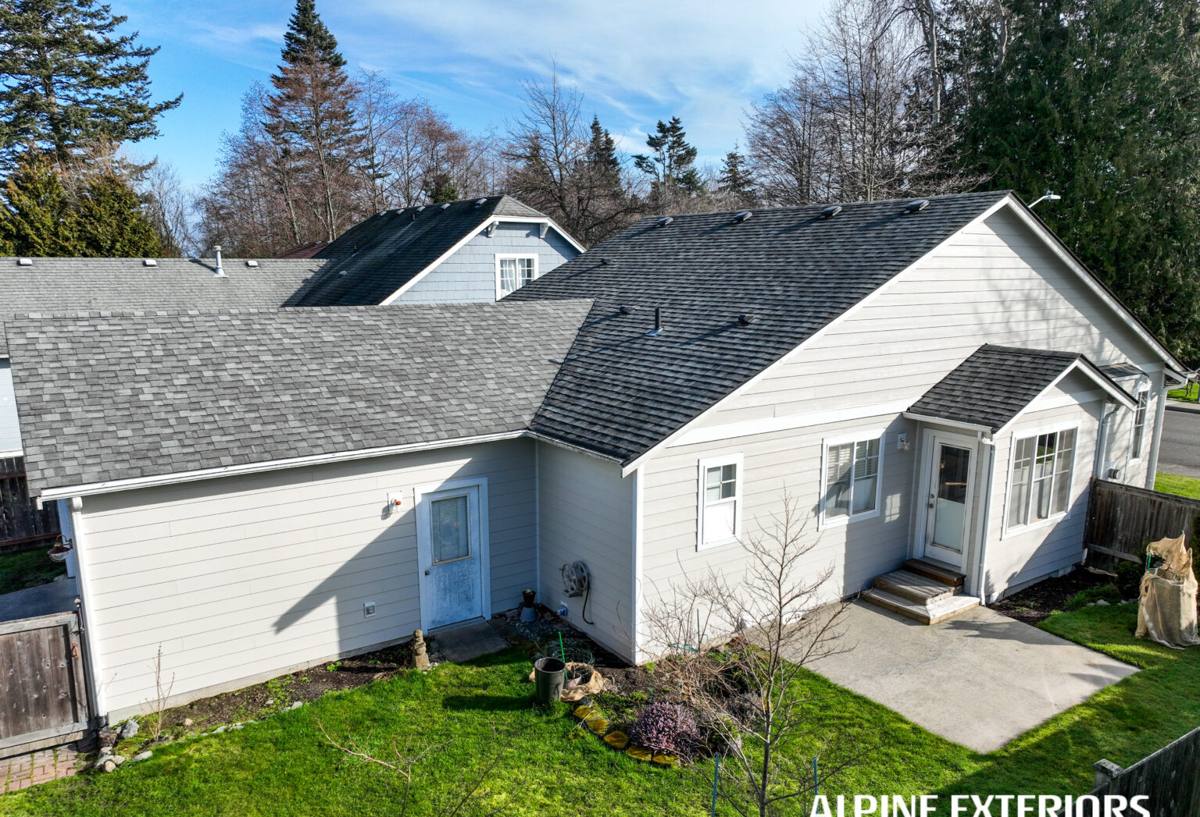
 Exterior Work in Alger, Washington
Alger sits in the stretch of Whatcom and Skagit County where the terrain rolls between timber, small farms, and water. It's a quieter corner than the busier stretches of I-5, but the houses here face the same weather everyone in this part of the Pacific Northwest deals with: long wet winters, damp shoulder seasons, and a marine air layer that never really leaves. If you own a home in or around Alger, you already know that "maintenance-free" siding claims tend to fall apart within a few Northwest winters. We build our approach here around what actually holds up.
We're a local exterior contractor working the Sudden Valley area and the surrounding Whatcom County communities, including Alger. Siding is our core focus, and we also handle roofing, windows, and decks — the systems that all work together to keep a house dry and weathertight. When one of them fails, it usually puts strain on the others, so we look at the whole exterior, not just one component.
What the Climate Does to Homes Near Alger
Salt Air and Moisture Load
Alger's proximity to the Salish Sea means homes here get a steady dose of salt-laden air, even without being directly on the waterfront. Salt air accelerates corrosion on fasteners, flashing, and any metal trim that isn't properly rated or protected. It also interacts with certain siding coatings over time, breaking down finishes faster than they'd wear in a drier inland climate.
Driving Rain
Storms coming off the water don't just fall straight down — wind-driven rain gets pushed sideways into wall assemblies, seams, and butt joints. Any siding product with poor water management at the joints, or a finish that isn't sealed on all six sides, is going to take on moisture over years of this kind of exposure. That moisture doesn't always show up as an obvious leak; more often it shows up as swelling, soft spots, or paint failure long before anyone notices a real problem.
Moss and Extended Shade
Between the tree cover common around Alger and the long stretch of overcast, damp months, moss and algae growth is a near-constant battle on north-facing walls, roof valleys, and anywhere siding stays shaded and slow to dry. Organic growth traps moisture against the surface, which is a slow but steady threat to any material that isn't dimensionally stable or resistant to moisture intrusion.
Why We Install Only James Hardie Fiber Cement
We made a decision, as a company, to install one siding system: James Hardie fiber cement. We don't install vinyl, LP SmartSide, Cemplank, Allura, primed spruce, or cedar. That's not a marketing angle — it's a standard we hold because of what we've seen happen to exterior materials in exactly this kind of climate over enough winters.
- Non-combustible core — fiber cement doesn't feed a fire the way wood-based products can, which matters more every year as wildfire smoke and dry-season risk creep into the Pacific Northwest.
- Factory-applied ColorPlus finish — baked on under controlled conditions, it resists the fading, peeling, and chalking that field-applied paint struggles with in a wet climate.
- Climate-engineered HZ product lines — Hardie's HZ5 formulation is specifically engineered for wetter, colder regions like ours, rather than a one-size-fits-all product.
- Dimensional stability — fiber cement doesn't swell, cup, or delaminate the way wood-based sidings can when they take on repeated moisture cycles.
- A real transferable warranty — one that's backed by a company with decades of track record in exactly this product category.
None of this means other products are without merit — vinyl is inexpensive, cedar has genuine natural character, and engineered wood has improved over the years. But every one of those materials asks a homeowner to accept a maintenance schedule, a moisture risk, or an installation sensitivity that we're not willing to install and then walk away from. Fiber cement, installed correctly, is the product we're comfortable standing behind for the long term in this climate.
How Our Siding Process Works
Inspection and Assessment
We start by walking the exterior — every elevation, not just the side that looks worn. In a location like Alger, the north and west walls usually show the most moss and moisture wear, while south-facing walls often show more sun-driven finish fatigue. We check for soft spots, failed caulk lines, damaged flashing, and any signs that water has already gotten behind the existing siding.
Water Management First
Siding is only as good as what's behind it. We pay close attention to house wrap, flashing at windows and doors, and kick-out flashing at roof-to-wall intersections — these are the details that determine whether driving rain stays outside the wall assembly or works its way in. A beautiful siding job over bad flashing just hides a problem instead of solving it.
Correct Hardie Installation
James Hardie siding has a documented installation spec for a reason — proper fastening, clearances, and joint treatment are what make the difference between a system that performs for decades and one that fails early despite using the "right" material. We follow that spec, including proper gapping, caulking, and flashing at every joint and penetration.
Comparing Siding Options for This Climate
| Material | Moisture Behavior in Wet Climates | Maintenance Burden | Fire Resistance |
|---|---|---|---|
| James Hardie Fiber Cement | Engineered HZ5 formulation, dimensionally stable | Low — factory finish, no repainting cycle needed for years | Non-combustible |
| Vinyl | Can warp, gap, or crack; joints rely on lap seams | Low upfront, but limited repair options if damaged | Combustible, can melt/deform near heat |
| LP SmartSide / Engineered Wood | Wood-based core, vulnerable if moisture reaches edges | Moderate — edge sealing and caulk maintenance matter | Combustible |
| Cedar | Natural material, needs consistent refinishing to manage moisture | High — regular staining/sealing required | Combustible |
| Primed Spruce / Other Softwood | Prone to swelling and rot without diligent upkeep | High — repaint cycles, moisture monitoring | Combustible |
Roofing, Windows, and Decks — The Rest of the Envelope
Siding doesn't work in isolation. A roof that's shedding granules or has failing flashing will send water down behind even well-installed siding. Windows with worn seals or old flashing tape are one of the most common hidden leak points on Northwest homes. And decks — especially ledger boards where they attach to the house — are a frequent source of rot if they weren't flashed correctly to begin with.
Because we handle all four of these trades, we can look at a home in Alger as one connected system rather than four separate quotes from four separate companies who don't talk to each other. That matters most at the transitions: where a deck ledger meets siding, where a window trim meets a wall plane, where a roofline meets an exterior wall.
Signs It's Time to Have Your Exterior Looked At
- Soft or spongy spots when you press on siding, especially near the bottom courses or around window trim
- Persistent moss or algae streaking that comes back within a season of cleaning
- Paint that's peeling, bubbling, or chalking heavily on wood-based siding
- Visible gaps or separation at siding joints and corner boards
- Water stains on interior walls near windows or where the deck attaches to the house
- Roof valleys or flashing showing rust, moss buildup, or granule loss in the gutters
Why a Local Crew Matters in Alger
Working this specific area — the microclimate around Sudden Valley, Lake Whatcom, and out toward Alger — means we already know which walls take the worst of the driving rain, which yards hold shade long enough to grow moss year-round, and how salt air behaves this far inland versus right on the water. That local knowledge shapes real decisions: where we spend extra time on flashing, which elevations get the closest inspection, and how we sequence a project around the wet season instead of fighting it.
A crew that only shows up for one job doesn't build that pattern recognition. A local company that's worked dozens of homes in this same stretch of Whatcom County has seen where things go wrong often enough to install with those failure points in mind from the start.
What a Project Timeline Looks Like
Most full siding replacements on a typical single-family home take one to a few weeks depending on square footage, the number of elevations, and whether we're also coordinating window or deck work at the same time. Weather is a real factor here — we plan around the wetter months rather than fighting them, and we protect open wall sections whenever a project has to bridge a rain event. We'll walk you through a realistic schedule before work starts, not an optimistic one that falls apart the first time it rains.
Getting Started
If you're in Alger or anywhere around the Sudden Valley area and you're noticing wear on your siding, roof, windows, or deck, we're happy to come take a look. There's no pressure and no obligation — just an honest read on what your home actually needs and what it doesn't. Reach out using the form below to schedule a free estimate.