 Sudden Valley
 Exterior Work for Barkley, Built Around Whatcom County's Weather
Homes in and around Barkley sit in one of the more demanding climate zones in Western Washington. Between the marine air drifting in off the Puget Sound region, the long stretch of wet months, and the shade cover from mature evergreens that most lots here share, exterior surfaces take a beating that homeowners in drier parts of the country never have to think about. We work throughout Whatcom County, including the Sudden Valley area and the neighborhoods around it, and we size up every siding, roofing, window, and deck job around one question: how does this material actually hold up here, year after year, not just on a spec sheet.
This page is about what that means specifically for a home in the Barkley area — what the climate does to exterior surfaces, how we approach the work, and why we install one siding system and no others.
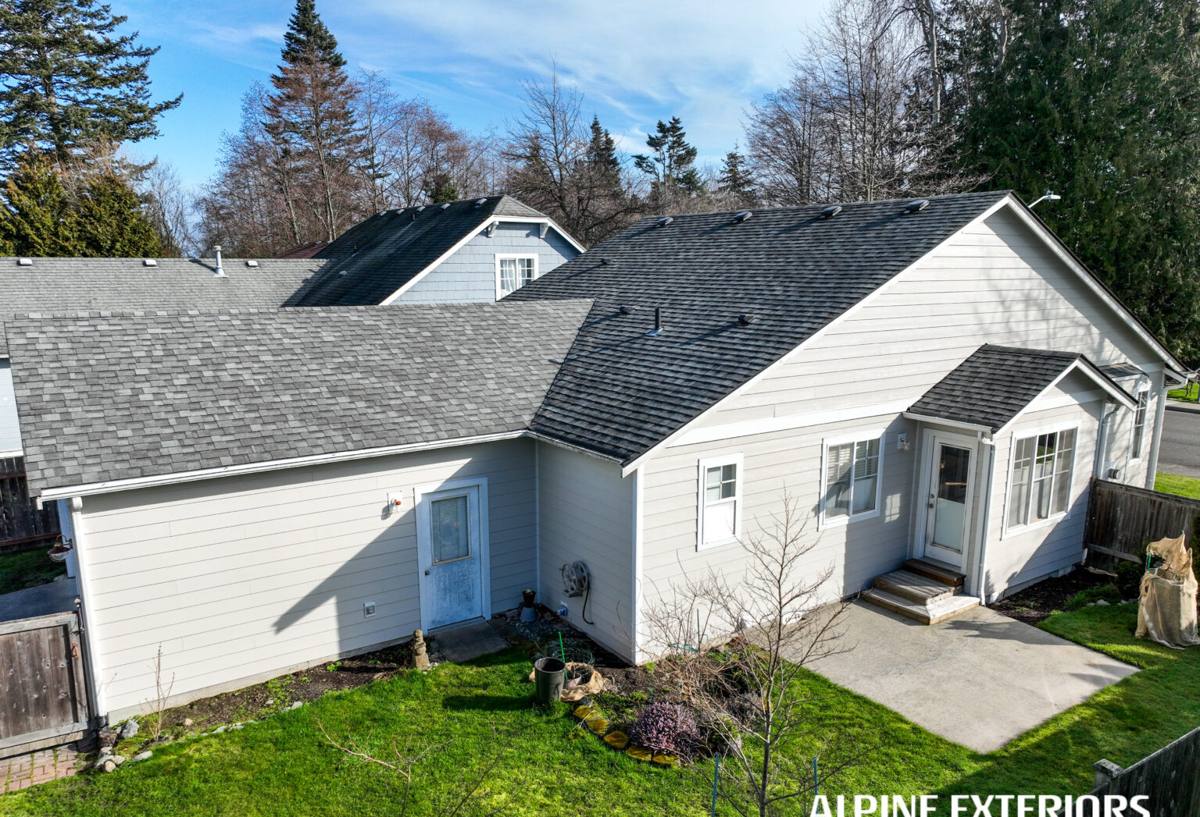
What This Climate Actually Does to a House
Moss and Constant Moisture
Whatcom County doesn't get the heaviest rainfall totals in the state, but it gets something arguably harder on a house: long, low-intensity wet stretches with limited drying time in between. Add shade from fir and cedar cover, which is common on lots throughout this area, and you get siding, trim, and roofing that can stay damp for days at a stretch during the fall and winter. That's exactly the environment moss and algae need to establish themselves, and once moss gets a foothold on a roof or into siding seams, it holds moisture against the surface and accelerates whatever damage was already starting underneath.
Driving Rain and Wind-Driven Moisture
Storms coming off the water don't just drop rain straight down — wind pushes it sideways into wall assemblies, under trim, and into any gap in flashing or caulking. This is where a lot of siding failures actually start: not from the siding material itself, but from water finding a way behind it through a poorly flashed window, a missed kick-out flashing, or a caulk joint that was never designed to be a primary water barrier in the first place.
Salt-Tinged Marine Air
Even away from the immediate waterfront, this part of Whatcom County sits close enough to the Sound that homes deal with a mild but persistent salt content in the air. It's not the same corrosive load you'd see right on the beach, but combined with the moisture and moss cycle, it's one more reason we don't recommend cutting corners on fasteners, flashing metal, or paint-grade wood trim that wasn't built for a damp coastal-influenced climate.
Why We Only Install James Hardie Fiber Cement
We get asked fairly often why we don't offer vinyl, LP SmartSide, or some of the other fiber cement brands on the market. The honest answer is that we made a call years ago to standardize on one system we trust completely rather than offer several options at different price points and let the climate sort out which ones survive.
James Hardie fiber cement is non-combustible, doesn't absorb water the way wood-based composite products can, and comes with a factory-applied ColorPlus finish that's engineered to hold color and resist the kind of fading and moisture streaking that shows up fast in a climate like ours. Hardie also builds region-specific product lines — their HZ5 formulation is engineered for exactly the freeze-thaw and moisture cycling that the Pacific Northwest sees. That's the product we put on Barkley-area homes, and it's the only one we install.
We'll say plainly: vinyl and engineered wood products aren't scams, and plenty of homes around the country wear them fine. But for the moisture load, moss pressure, and shade conditions typical of Whatcom County lots, we don't think they hold up as well over a 20-30 year window, and we'd rather stand behind one product we trust than sell something we'd have concerns about years down the road.
Comparing Common Siding Options in This Climate
| Material | Moisture Behavior | Moss/Algae Resistance | Typical Lifespan Here |
|---|---|---|---|
| James Hardie Fiber Cement | Doesn't absorb and swell; dimensionally stable when wet | Factory finish resists staining; cleans well | 30+ years with proper install |
| Vinyl Siding | Sheds water but seams and panels can warp/gap over time | Can trap moisture and grime behind panels | 15-25 years, often less with sun/cold cycling |
| LP SmartSide / Engineered Wood | Wood-based core is vulnerable if water reaches cut edges | Requires diligent caulking/paint maintenance to resist moss | Variable; heavily install-dependent |
| Cedar/Wood Siding | Absorbs moisture readily; needs consistent refinishing | High susceptibility without regular treatment | Shorter without an aggressive maintenance schedule |
What Our Process Looks Like for a Barkley-Area Home
Assessment First
Before we talk siding, we look at the whole exterior envelope — trim, flashing, window sealant, roof condition, and any signs of moisture that's already gotten in. New siding installed over an existing moisture problem just hides it; we'd rather flag it up front.
Flashing and Water Management
Given how much of our regional siding damage traces back to water intrusion rather than the siding material itself, we treat flashing details — window heads, kick-outs, deck ledger connections, roof-to-wall transitions — as the part of the job that actually determines how the siding performs in ten years, not an afterthought.
Installed to Manufacturer Spec
Hardie's warranty coverage depends on installation following their published specifications — proper nailing patterns, clearances above grade, gaps at butt joints, and factory-finish touch-up done correctly. We install to that spec as a baseline, not an upsell.
Signs Your Current Siding Is Telling You Something
- Green or black staining that comes back within weeks of being cleaned
- Soft, spongy spots when you press on siding, especially near the bottom courses or around windows
- Paint that's bubbling, peeling, or chalking heavily on one side of the house
- Visible gaps, warping, or panels that have pulled away from the wall
- Rising utility bills that track with drafts near exterior walls
- Trim or corner boards that feel damp or crumble under light pressure
Any one of these on its own isn't necessarily an emergency, but if you're seeing more than one, it's worth having a crew take a real look rather than just re-caulking and repainting over it.
Beyond Siding: Roofing, Windows, and Decks
Siding doesn't work in isolation — the roof line, window flashing, and deck ledger connections all share water paths with the wall system, which is why we handle roofing, windows, and decks alongside siding rather than treating them as separate trades.
Roofing
A roof under constant moss and moisture pressure sheds granules and loses waterproofing faster than the same product would in a drier climate. Roof condition also directly affects how well new siding performs, since a failing roof-to-wall transition will find its way into a wall assembly regardless of how good the siding is.
Windows
Old or poorly flashed windows are one of the most common sources of the water intrusion we find behind failing siding. Replacing siding without addressing window flashing just relocates the same problem.
Decks
Deck ledger boards and the wall connection behind them are a frequent trouble spot in wet climates — moisture gets trapped where the deck meets the house, often out of sight until siding or framing damage shows up.
What Drives Cost on a Barkley-Area Siding Job
| Factor | Why It Matters |
|---|---|
| Existing wall condition | Rot or water damage found during tear-off adds repair scope before new siding goes on |
| House size and complexity | More corners, gables, and trim details mean more labor and material cuts |
| Siding profile and color | Hardie offers multiple plank widths, textures, and ColorPlus colors at varying costs |
| Access and site conditions | Steep lots, tree cover, and limited driveway access affect setup time and staging |
| Trim and flashing scope | Full flashing replacement adds cost but is often the difference-maker for longevity |
We won't quote a job without seeing the house, but we're happy to walk through rough, honest ranges during an on-site visit rather than a generic number that doesn't reflect your home's actual condition.
Why a Local Crew Matters Here
Every region's building envelope challenges are a little different, and a crew that mostly works in drier climates can miss details that matter in Whatcom County — flashing choices, moisture barrier decisions, and how much clearance to leave at grade all shift when moss and standing moisture are part of the yearly cycle rather than an occasional event. Working consistently in this area, including Sudden Valley and the surrounding Barkley area, means we're not guessing at how a product or detail performs here — we've seen it firsthand across multiple wet seasons.
If you're weighing a siding project, dealing with a roof, window, or deck issue, or just want a straight answer about what your home's exterior actually needs, we're glad to come take a look. Estimates are free, there's no pressure, and you'll get a plain answer about what we'd actually recommend for your home.