 Sudden Valley
 Exterior Work in South Hill, Sudden Valley
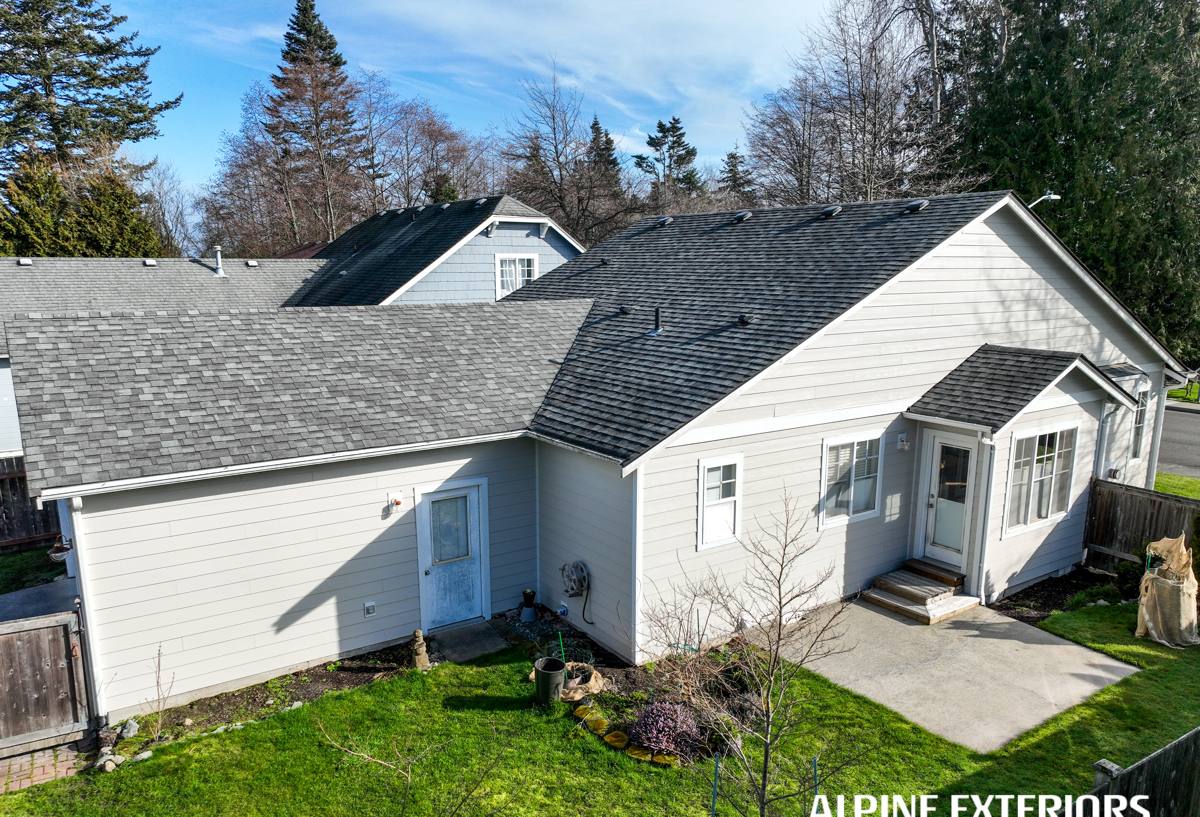
South Hill is one of the higher, more exposed pockets of Sudden Valley, and homes up here take weather from a few different directions at once. You've got the moisture load that comes standard with anywhere in Whatcom County, plus more direct exposure to wind and driving rain than homes tucked lower in the valley near the lake. Add in proximity to the Salish Sea's salt-laden air moving through the region, and you end up with an exterior envelope that's working harder than most people realize, year-round, whether the siding shows it yet or not.
We've worked on homes throughout Sudden Valley long enough to know that "South Hill" isn't a marketing label to us — it's a set of real conditions that shape how we spec and install siding, trim, and flashing. A house on a mid-elevation, wind-exposed lot needs different attention to detail than one sitting in a sheltered draw, even if they're a quarter mile apart.
What the Local Climate Does to Siding Up Here
Salt Air and Coastal Moisture
Whatcom County sits close enough to Puget Sound and the Strait of Georgia that airborne salt is a real factor, especially on elevated, exposed sites like much of South Hill. Salt-laden moisture accelerates corrosion on fasteners, flashing, and any hardware that isn't rated for the exposure. It also speeds up the breakdown of coatings and caulks that aren't formulated to hold up outdoors long-term. Over years, this is a big part of why some siding systems age faster here than they would in a drier inland climate.
Driving Rain and Wind-Driven Water
Elevated, exposed lots catch more sideways rain than sheltered ones. That matters because most siding failures aren't caused by rain hitting a wall — they're caused by rain finding a way behind the wall through a gap, a bad seam, or a fastener hole that was never sealed correctly. On wind-exposed South Hill sites, water is pushed harder into every joint, corner, and penetration, which means the installation details (not just the material) carry a lot of the long-term performance.
Moss, Algae, and the Long Wet Season
Western Washington's extended damp season, typically stretching from fall through spring, gives moss and algae a long runway to establish themselves on north-facing walls, shaded elevations, and anywhere airflow is limited by trees or landscaping. Sudden Valley's wooded lots are beautiful, but tree cover also means more shade, more standing moisture, and more organic growth on siding that isn't holding up well. Once moss gets a foothold, it holds moisture against the surface even longer, which becomes a compounding problem on materials that are moisture-sensitive to begin with.
Why We Only Install James Hardie Fiber Cement
We made a decision years ago to standardize on James Hardie fiber cement siding and stop installing everything else — no vinyl, no LP SmartSide, no Cemplank or Allura, no primed spruce, no raw cedar. That's not a sales pitch; it's a practical response to what we see happening on real homes in this climate over time.
Fiber cement is non-combustible, which matters more every year as wildfire smoke and dry-season fire risk become a bigger part of the Pacific Northwest conversation, even in a wet county like Whatcom. Hardie's ColorPlus factory-applied finish is baked on and warranted separately from the plank itself, so you're not relying on a field-applied paint job to hold up against salt air and UV. And Hardie engineers regional HZ5 product lines specifically for climates with sustained moisture exposure, which is exactly the environment South Hill sits in.
None of this means other products are junk — wood siding has real character, vinyl is inexpensive, engineered wood has its fans. But each of those comes with a real-world trade-off in a marine, high-moisture climate: wood needs ongoing maintenance to keep moisture out, engineered wood products are sensitive to installation and moisture exposure at the edges, and vinyl can warp, fade, and doesn't offer the same fire performance. We'd rather install one product well than install several products and hope they hold up. Hardie, installed correctly, is what we're willing to put our name on.
How the Common Alternatives Compare in This Climate
| Material | Moisture Behavior Here | Maintenance Burden | Fire Rating |
|---|---|---|---|
| James Hardie fiber cement | Engineered for sustained wet/marine climates (HZ5 lines) | Low — factory finish, no periodic sealing needed | Non-combustible |
| Vinyl siding | Doesn't rot, but can warp/buckle with heat and age; seams are a water path | Low, but limited repair options once damaged | Combustible |
| LP SmartSide / engineered wood | Moisture-sensitive at cut edges and fastener points if not sealed exactly to spec | Moderate — edge sealing and inspection matter | Combustible |
| Cedar / primed spruce | Natural material, absorbs and releases moisture; needs a sound finish to perform | High — refinishing on a recurring cycle | Combustible |
How We Approach a South Hill Project
Assessment Before Anything Else
We start by walking the exterior and looking at exposure — which elevations take the most wind-driven rain, where moss and algae are already established, where trim and flashing show early wear. On a South Hill lot, elevation and tree cover both factor into that read. This tells us where extra attention to flashing and water management pays off most, rather than treating every wall the same.
Installation Detail Is Where Performance Actually Comes From
Fiber cement performs the way it's supposed to only when it's installed to manufacturer spec — correct clearances, properly flashed penetrations, fasteners set right, joints treated the way Hardie's install guide actually calls for. We see homes where a good product underperformed because of shortcuts at the install stage, and that's exactly what we're careful to avoid, especially on wind-exposed, high-moisture sites like this one.
The Full Exterior, Not Just Siding
Siding doesn't work in isolation. We also handle roofing, windows, and decks, because on a lot of South Hill homes those systems are all managing the same water and wind exposure together. A roof that's shedding water onto a wall in the wrong spot, or a window that isn't flashed correctly, can undermine even a well-installed siding job. When we're on-site, we're looking at the whole envelope, not just one component of it.
Signs a South Hill Home May Need Siding Attention
- Moss or algae staining that keeps returning on the same wall, especially north-facing or shaded sections
- Soft spots, bubbling, or visible swelling around seams, corners, or below windows
- Paint that's peeling or failing faster than expected, particularly on older wood or engineered wood siding
- Visible gaps, cracked caulk, or separated trim joints where wind-driven rain can get behind the wall
- Rust streaking near fasteners or flashing, a common sign of salt-air corrosion on exposed sites
- A noticeable rise in interior humidity, musty smell, or drafts near exterior walls
Why a Local Crew Matters for This Kind of Work
A lot of siding problems in this region trace back to installation that was done to a generic standard rather than a Whatcom County one. A crew that mostly works drier inland climates may not think twice about a detail that matters a great deal on an exposed South Hill lot — how a J-channel is flashed, how much clearance is left at grade, how a butt joint is treated against driving rain. We work this specific climate regularly, so those details aren't an afterthought; they're just how the job gets done.
Being local also means we're not disappearing after the install. If a question comes up two years down the road — a trim detail, a warranty question, a spot that needs a look after a hard winter storm — we're still in the area and still reachable.
What to Expect From a Siding Project
Planning and Product Selection
We walk the home, talk through exposure and any problem areas, and go over which Hardie plank profile and ColorPlus color work for the house and the HOA or neighborhood expectations in Sudden Valley, if applicable.
Removal and Prep
Old siding comes off, and we take the opportunity to inspect the sheathing and weather barrier underneath. This is often where hidden moisture damage from a previous installation shows up, and it needs to be addressed before new siding goes on, not covered over.
Installation to Spec
Fastening, flashing, and joint treatment are done to Hardie's published installation requirements, which is also what keeps the manufacturer's warranty intact.
Final Walkthrough
We go over the finished work with the homeowner, including basic care — Hardie siding needs very little upkeep, but it's worth knowing what to watch for over the years.
Quick Checklist: Is Your South Hill Home Due for a Siding Look
- Siding is original to the home and 20+ years old
- Recurring moss or algae on the same section of wall
- Visible warping, cracking, or soft spots anywhere on the exterior
- Paint or finish failing well before it should
- Rising energy bills that might point to a compromised exterior envelope
- Planning a roof or window project and want the whole exterior assessed together
Get a Local Assessment
If you're in South Hill or elsewhere in Sudden Valley and want an honest read on your siding — whether it needs full replacement, targeted repair, or just isn't a problem yet — we're happy to take a look. We'll walk the exterior, point out anything worth watching, and if replacement makes sense, explain why we'd install it in James Hardie fiber cement and what that would involve for your home specifically. Reach out for a free, no-pressure estimate using the form below.