 Sudden Valley
 Deck Replacement for Barkley Homes in Sudden Valley
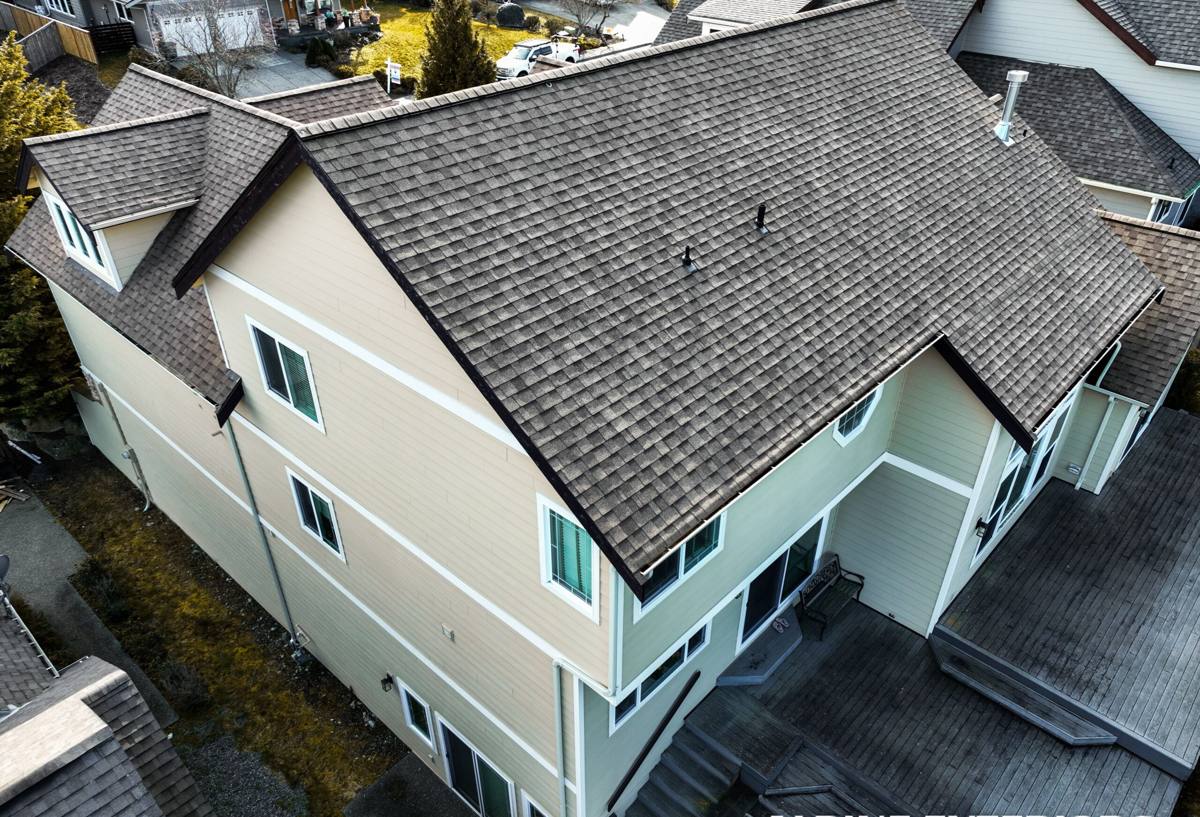
If you own a home in the Barkley area of Sudden Valley, you already know what your deck is up against. Whatcom County weather doesn't do decks any favors — long stretches of driving rain, moisture-laden marine air moving through the region, and a moss and algae season that can run most of the year in shaded spots. A deck that looked fine five or ten years ago can quietly turn into a safety problem, one soft board and one corroded fastener at a time. This page is about one job, done right, in one area we know: full deck replacement for Barkley homes.
We're not talking about a quick board swap or a pressure wash and re-stain. Deck replacement means removing a structure that's past the point of reliable repair and rebuilding it — framing, fasteners, flashing, and surface — to hold up under the conditions Sudden Valley actually sees, not the conditions a builder assumed decades ago when the original deck went in.
Why This Climate Is Hard on Decks
Every region has its own way of destroying a deck. In Whatcom County, it's rarely one dramatic event — it's cumulative moisture exposure. Rain here doesn't just fall and drain away; it lingers. Humid, salt-tinged air moving in off the water keeps wood and hardware damp for days at a time, especially on decks that sit low, face north, or are shaded by mature trees, which describes a lot of Barkley lots.
That combination creates three specific problems:
- Moss and algae growth: Shaded, moisture-retaining surfaces grow moss almost year-round here. Moss holds water against the decking surface far longer than open air would, accelerating rot underneath even when the top of the board still looks intact.
- Fastener corrosion: Standard or under-spec fasteners and hardware corrode faster in a damp marine climate. Corroded fasteners lose holding strength long before they look obviously rusted through, which is part of why deck failures can catch homeowners off guard.
- Hidden structural rot: The parts of a deck most exposed to trapped moisture — ledger boards, joist ends, post bases — are also the parts you can't see without getting underneath the structure. Surface staining or sealing does nothing for rot that's already progressing in these hidden zones.
None of this means Barkley homeowners are unlucky. It means decks in this climate need to be built and maintained with the weather in mind, not built to a generic spec and left alone.
Signs a Deck Needs Replacement, Not Repair
Repair makes sense when the problem is isolated — a few damaged boards, a loose railing, a stair tread that's cracked. Replacement becomes the honest answer when the problems are structural or widespread. Here's how we tell the difference on a typical Barkley inspection:
- Soft, spongy decking in multiple areas, not just one or two boards
- Visible sagging between joists, or a deck surface that no longer sits level
- Rot or soft wood at the ledger board where the deck attaches to the house
- Posts or footings that have shifted, cracked, or lost contact with solid ground
- Rust streaking or visibly corroded fasteners and connectors throughout the structure
- A deck built before current ledger-attachment and joist-hanger code requirements, with no way to verify it meets them
- Persistent moss growth that keeps returning within weeks of cleaning, signaling the wood underneath is staying damp
If you're seeing two or more of these, repair is usually a temporary patch on a structure that's already past its safe service life. We'll always tell you honestly which category your deck falls into — we don't sell replacements to homeowners who just need a repair.
What a Correct Deck Replacement Actually Involves
A deck replacement done right is a rebuild from the ground up, not a resurfacing job. Here's what should be included, whether we're the ones doing it or not:
Structural Framing
New ledger board properly flashed and lag-bolted (never just nailed) to the house structure, with a code-compliant ledger flashing detail that keeps water from ever reaching the rim joist behind it. New or inspected footings and posts, sized and spaced to current load requirements. New joists set at proper spacing for the decking material chosen.
Flashing and Water Management
This is where most deck failures in this climate actually start. Ledger flashing, joist tape on top of framing members, and proper drainage gaps between boards all matter more here than in a drier region, because the structure spends more of the year wet than dry.
Fasteners and Hardware
Corrosion-resistant, code-rated joist hangers, structural screws, and connectors — matched to whatever decking and framing material is used, since mismatched metals can accelerate corrosion in a damp environment.
Decking Surface
Wood, composite, or PVC, installed with the gapping and fastening pattern that material's manufacturer specifies. Gapping matters more here than in dry climates — too tight and boards trap moisture and moss; too loose and the deck feels unfinished and can trap debris.
Railings and Stairs
Rebuilt or replaced to current code height and baluster-spacing requirements, with the same attention to fastener quality as the rest of the structure.
Decking Material Comparison for This Climate
| Material | How It Handles Moss & Moisture | Maintenance | Typical Lifespan Here |
|---|---|---|---|
| Pressure-treated wood | Absorbs moisture; needs regular cleaning and sealing to resist moss and rot | Annual cleaning, re-sealing every 1-2 years | 10-15 years with upkeep |
| Cedar | Naturally rot-resistant but still needs sealing in this climate | Cleaning and oil/sealant every 1-2 years | 15-20 years with upkeep |
| Capped composite | Resists moisture absorption; moss can still grow on the surface but doesn't penetrate the board | Periodic washing, no sealing needed | 25-30+ years |
| PVC decking | Fully moisture-resistant; best resistance to moss taking hold | Occasional washing | 25-30+ years |
Wood costs less up front and has a warmer, traditional look many Barkley homeowners want. Composite and PVC cost more initially but ask far less of you in a climate that punishes anything you forget to maintain. We install all of these — the right call depends on your budget, how much upkeep you actually want to do, and the look you're after, not on us pushing one product over another.
Our Process for a Barkley Deck Replacement
- On-site assessment: We inspect the existing deck from the top down and underneath, checking the ledger, footings, joists, and fasteners, not just the visible surface.
- Honest recommendation: We tell you plainly whether you need a full replacement, a partial rebuild, or just a repair — and why.
- Written estimate: Scope, materials, and price laid out clearly before any work starts, with material options priced so you can compare.
- Permitting: We handle the permit process where required. Deck replacement, especially anything involving structural changes, footings, or railings, typically requires a permit under Whatcom County jurisdiction — we take care of that paperwork rather than leaving it on you.
- Demolition and disposal: Full removal of the old structure, with attention to what's underneath — this is often when we find rot that wasn't visible during the initial inspection.
- Rebuild: Framing, flashing, decking, and railings installed to code, with the moisture-management details this climate demands built in from the start, not added as an afterthought.
- Final walkthrough: We go over the finished deck with you, including basic care guidance specific to the material you chose.
Permits, Codes, and Community Guidelines
Deck replacement in Sudden Valley isn't just a matter of swapping boards — it usually intersects with two layers of oversight. First, Whatcom County building code governs structural requirements like footing depth, ledger attachment, and railing height, and most full deck replacements require a permit and inspection. Second, many homes in Sudden Valley fall under community association guidelines that can affect exterior appearance and materials. We factor both into the estimate up front so there are no surprises mid-project — we'd rather flag a potential permitting or approval step before we start than after.
What Affects the Cost
| Cost Factor | Why It Matters |
|---|---|
| Deck size and layout | Square footage and shape (multi-level, wraparound) directly drive material and labor hours |
| Decking material chosen | Wood costs less to install than composite or PVC, but has higher long-term maintenance cost |
| Condition of substructure | Hidden rot found at demolition can require additional framing or footing work not visible during the initial estimate |
| Railing and stair complexity | Custom railings, multiple stair runs, or code-driven changes add labor |
| Height and access | Elevated decks or difficult site access add complexity to demolition and rebuild |
| Permit requirements | Structural scope determines whether a permit and inspection are needed, which adds time but isn't optional |
We don't quote a number without seeing the deck in person — the condition underneath the surface matters as much as size, and that's not something we can estimate from a phone call.
Why a Local Crew Matters for This Job
A deck built for this climate isn't the same as a deck built to a national average spec. A crew that already works in Sudden Valley knows which details actually matter here — the flashing that keeps a ledger from rotting out in five years instead of twenty, the gapping that keeps moss from taking hold on a shaded deck, the fastener grade that won't corrode after a few wet seasons. That's not something you get from a crew passing through the area once. It comes from doing this work, on homes like yours, in this exact climate, repeatedly.
It also matters for follow-through. If a question comes up two years after installation — a squeak, a spot that's holding moisture, a warranty question on the decking material — you're calling a crew that's still local and still stands behind the work, not chasing down a contractor who moved on to another region.
After Installation: Keeping Your New Deck in Good Shape
A well-built deck in this climate still needs some basic seasonal attention. A short maintenance routine goes a long way toward getting the full lifespan out of whatever material you choose:
- Sweep debris off the deck regularly, especially in fall and under trees, to prevent trapped moisture and moss growth
- Wash the surface once or twice a year to remove algae and moss before it gets established
- Check that gaps between boards stay clear of debris so water can drain properly
- For wood decks, re-seal on the schedule appropriate to the wood species — don't wait until it's visibly weathered
- Look underneath the deck once a year for any signs of new moisture staining, corrosion, or movement at the posts
- Trim back vegetation that's shading the deck and keeping it damp longer than necessary
None of this is complicated, but skipping it is exactly how a well-built deck ends up needing early replacement in a climate like this one.
Get a Free Estimate
If your deck in Barkley is showing soft spots, sagging, moss that won't quit, or you're just not sure whether it needs repair or full replacement, we're happy to take a look. The estimate is free, there's no pressure, and you'll get a straight answer about what your deck actually needs. Use the form below to get started.