 Sudden Valley
 Exterior Work in the Yew Street Area of Sudden Valley
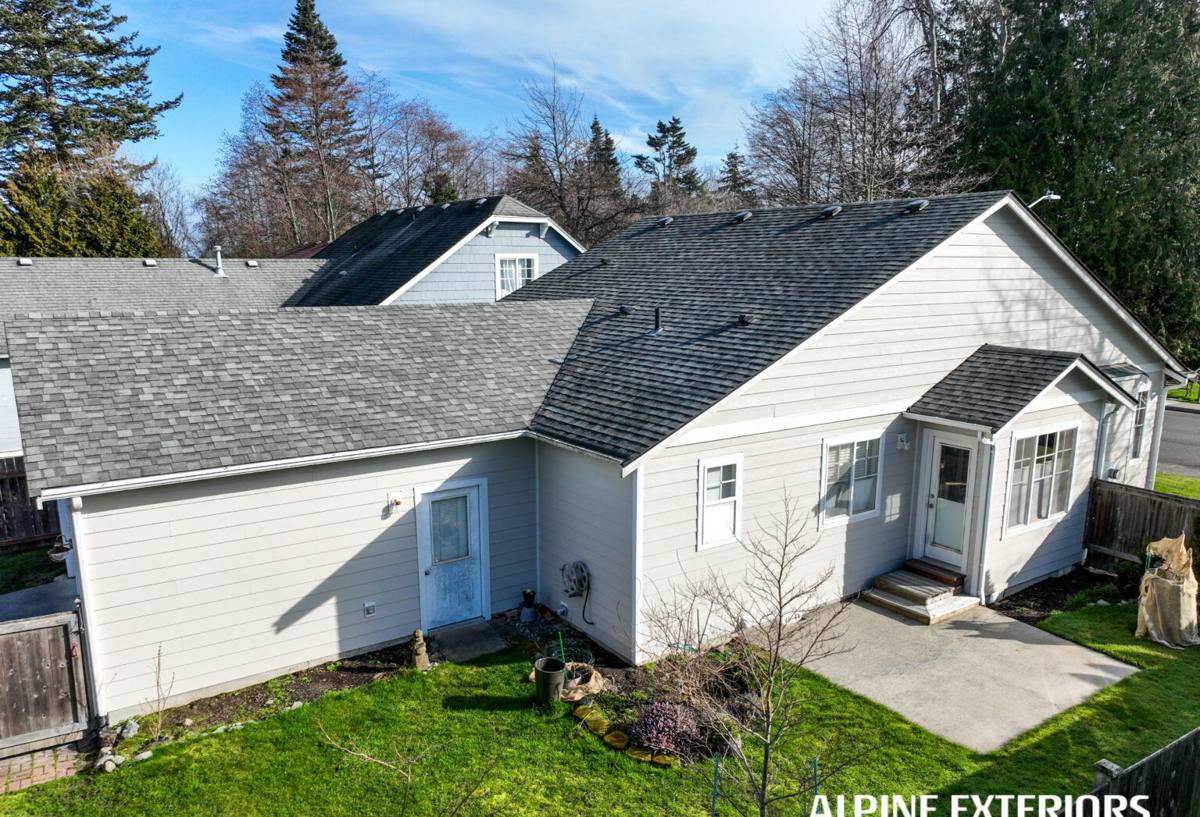
Homes along Yew Street and the surrounding streets of Sudden Valley sit in one of the more demanding exterior environments in Whatcom County. Between the moisture coming off Lake Whatcom, the tree cover that keeps roofs and siding shaded and damp for long stretches of the year, and the salt-tinged marine air that moves inland from the Sound, exterior surfaces here work harder than they would in a drier, more open part of the state. We've spent years working on homes throughout Sudden Valley, and the patterns repeat: siding that looks fine from the street but is soft at the bottom courses, trim that's held paint for years but is rotting underneath it, and roofs with moss creeping in from the north-facing slopes. This page walks through what we typically find on Yew Street area homes, how our siding, roofing, window, and deck work addresses it, and why the products we choose to install — starting with our standardized fiber cement siding — matter more here than they would somewhere with a milder, drier climate.
What the Local Climate Actually Does to a House
It's worth being specific about what "salt air, driving rain, and a long moss season" means in practical terms, because it's not abstract weather talk — it's the reason certain exterior products age well here and others don't.
Driving rain and wind-driven moisture
Sudden Valley gets weather that doesn't just fall straight down. Wind off the lake and through the valley pushes rain sideways into wall assemblies, especially on west- and south-facing elevations. Any siding product with weak seams, absorbent edges, or a finish that isn't fully sealed on all six sides is going to take on moisture over time. That moisture doesn't always show up as an obvious leak — more often it shows up as swelling, soft spots, or paint that won't hold anymore.
A long moss and algae season
Shade, humidity, and mild temperatures mean moss and algae have a long runway here — often close to nine months of the year where conditions stay favorable. On roofs this shows up as moss lifting shingles and holding moisture against the roof deck. On siding it shows up as green-black staining, especially on north-facing walls and anywhere overhangs are shallow. Left alone, that biological growth holds moisture against the substrate and accelerates whatever decay process is already underway.
Salt-influenced air
Sudden Valley isn't oceanfront, but this part of Whatcom County still sees marine-influenced air moving through, and it has a slow, cumulative effect on fasteners, metal flashing, and any painted wood surface. It's rarely dramatic — it's the kind of thing that shaves years off a product's useful life without anyone noticing until the damage is done.
Why We Standardized on James Hardie Fiber Cement Siding
We install James Hardie fiber cement siding exclusively. We don't install vinyl, LP SmartSide, Cemplank, Allura, primed spruce, or cedar, and that's a deliberate professional standard, not a sales preference. Here's the honest reasoning:
- Moisture behavior: Fiber cement doesn't absorb and swell the way wood-based or wood-fiber products can. In a climate with this much sustained moisture exposure, that difference compounds year over year.
- Non-combustible material: James Hardie siding is fiber cement, not a combustible wood product. That matters for insurance conversations and for peace of mind, even in a region that isn't primarily known for wildfire risk.
- Factory-applied finish: ColorPlus finish is baked on in a controlled factory environment, not brushed on a jobsite in variable weather. That finish holds color and resists fading and chipping far better than field-applied paint, which matters when you're dealing with the amount of rain Sudden Valley gets during application season.
- Climate-engineered product lines: James Hardie makes HZ5-rated products specifically engineered for the freeze-thaw and moisture cycling common in the Pacific Northwest. That's not a generic national product — it's a version built for exactly this weather pattern.
- Warranty structure: James Hardie backs its siding with a strong, transferable warranty, which also supports resale value if you sell the home down the road.
To be fair to the alternatives: vinyl is inexpensive and low-maintenance in mild climates, LP SmartSide has improved its engineered-wood formulation over the years, and cedar has real aesthetic appeal that some homeowners genuinely prefer. We're not claiming those products are junk. What we're saying is that after years of doing repair and replacement work in this specific climate, we stopped installing products that put moisture-sensitive material, field-applied finishes, or shorter practical lifespans on homes that face driving rain and a near year-round damp season. Fiber cement, installed correctly, holds up better here, and we'd rather stand behind one product we trust completely than offer several and let a homeowner unknowingly pick the one that struggles.
How a Siding Job Works, Start to Finish
A proper siding replacement isn't just removing old material and nailing up new boards. On a Sudden Valley home, the sequence matters:
- Assessment and moisture check: We look at the existing siding, especially at butt joints, window and door trim, and the bottom few feet of wall near grade, where splash-back and standing moisture do the most damage.
- Removal and sheathing inspection: Once old siding comes off, we check the sheathing underneath for soft spots or rot. This is often where hidden damage from years of wind-driven rain finally shows itself.
- Water-resistive barrier and flashing: A correctly lapped weather-resistive barrier and properly integrated flashing at windows, doors, and penetrations is arguably more important to long-term performance than the siding material itself. This step gets rushed on cheap jobs and it's the first thing that fails.
- James Hardie installation to manufacturer spec: Correct fastener spacing, clearances from grade and roofing, and proper caulking at joints — all specified by James Hardie and all things that affect whether the warranty is actually valid.
- Trim, caulking, and final finish check: Clean lines at corners and openings, correct sealant use, and a final walk-through.
Roofing, Windows, and Decks — The Rest of the Envelope
Siding doesn't work in isolation. On Yew Street area homes we're often looking at the whole exterior envelope, because moisture problems rarely respect the boundary between one trade and another.
Roofing
Given how much moss pressure this area sees, roof condition directly affects siding performance below it. A roof shedding moss debris and holding moisture at the eaves will stain and degrade the siding underneath it faster than normal weathering would. We look at moss buildup, flashing condition at valleys and penetrations, and gutter function as part of any full exterior assessment.
Windows
Window flashing integration is one of the most common failure points we find during siding tear-off — old or poorly flashed windows are frequently the actual source of water intrusion that gets blamed on the siding. Replacing worn windows at the same time as siding lets us integrate flashing correctly in one continuous system instead of patching around old openings.
Decks
Decks in this climate face the same driving rain and moss pressure as walls and roofs, plus standing water on horizontal surfaces. Ledger board attachment and flashing where a deck meets the house is a common rot point we address, whether we're rebuilding a deck outright or just correcting the connection detail during a siding project.
Comparing Siding Options for This Climate
Homeowners doing their own research often ask us to weigh in on alternatives. Here's an honest, straightforward comparison based on how these materials tend to perform in a driving-rain, high-moss climate like Sudden Valley's — not on price alone.
| Material | Moisture Behavior | Finish Durability | Maintenance Burden | Our Position |
|---|---|---|---|---|
| James Hardie Fiber Cement | Does not absorb/swell like wood-based products | Factory-baked ColorPlus finish | Low; periodic wash for moss/algae staining | What we install |
| Vinyl | Doesn't rot but can warp/crack in temperature swings | Color molded in, but fades over time | Low, but seams and edges trap moisture behind panel | Not installed by us |
| LP SmartSide | Engineered wood strand; treated but still moisture-sensitive at cut edges | Factory finish, needs careful edge sealing | Moderate; edge maintenance is critical | Not installed by us |
| Cedar | Natural wood; absorbs moisture without diligent upkeep | Field-applied stain/paint, needs recoating | High; regular refinishing required | Not installed by us |
| Primed Spruce/Cemplank/Allura | Varies; generally more moisture- and installation-sensitive than Hardie | Field or factory depending on product | Moderate to high | Not installed by us |
What to Check Before Hiring Anyone for Exterior Work in Sudden Valley
Whether you hire us or someone else, a few things separate a contractor who'll do this correctly from one who'll leave you with problems in five years:
- Washington contractor license and proof of current liability insurance, verifiable through the state's contractor lookup.
- Local experience — specifically with Whatcom County's moisture and moss conditions, not just general siding experience from a drier region.
- A written scope that specifies flashing and water-resistive barrier details, not just "install siding."
- Manufacturer-certified installation if you're getting James Hardie product, since warranty validity often depends on installation to spec.
- Willingness to walk you through what they find once old siding comes off, including any hidden rot or sheathing damage.
- A clear, itemized estimate rather than a single lump-sum number with no breakdown.
Cost Factors Worth Understanding
We don't publish blanket pricing because every home is different, but the factors that actually move the number on a Sudden Valley project are consistent:
| Factor | Why It Matters Here |
|---|---|
| Hidden sheathing damage | Homes with long-term moisture exposure often need sheathing repair discovered only after tear-off |
| Trim and window integration | Full trim replacement and proper flashing integration adds labor but prevents repeat failures |
| Home size and complexity | Roof lines, dormers, and multiple elevations affect labor time more than material cost |
| Access and site conditions | Tree cover, slope, and driveway access common in Sudden Valley can affect staging and scaffolding needs |
| Scope bundling | Combining siding with roofing, window, or deck work in one mobilization is usually more efficient than separate projects |
Why a Local Crew Matters for This Specific Area
Sudden Valley isn't a generic suburb — it's a specific microclimate shaped by the lake, the tree cover, and its position within Whatcom County's broader marine-influenced weather pattern. A crew that mostly works drier, more exposed sites elsewhere in the state won't necessarily know to check the north-facing walls first, or to expect moss pressure to return within a season if a roof isn't addressed alongside the siding. We work in this area regularly enough to know where problems tend to start on these homes, and we build our assessments and installation details around that experience rather than a one-size-fits-all approach.
Get a Free, No-Pressure Estimate
If you're noticing soft spots, staining, or aging siding, roofing, windows, or a deck on your Yew Street area home, we're happy to take a look and give you a straightforward assessment — no pressure, no obligation. Use the form below to request a free estimate.