 Sudden Valley
 Board & Batten Siding in Bellingham: Built for This Climate, Not Just This Look
Board and batten has become one of the most requested siding styles in Bellingham and the surrounding Whatcom County communities, and it's easy to see why. The vertical lines read as modern farmhouse on a new build, add texture to a gable or entry accent on a more traditional home, and photograph well from the street. But style is only half the job. Bellingham sits close enough to salt water that homes catch salt-laden air off the bay, gets pounded by driving Pacific storms much of the year, and stays damp and shaded long enough in the off-season that moss and lichen have plenty of time to take hold. A board and batten installation that isn't detailed for those conditions will look right for a year or two and then start showing problems at the seams, the battens, and the bottom courses.
This page is about doing board and batten correctly for homes in the Bellingham area — what the climate actually does to this siding style, what a correct installation involves, and how our process is built around the conditions your home actually faces rather than a generic install spec.
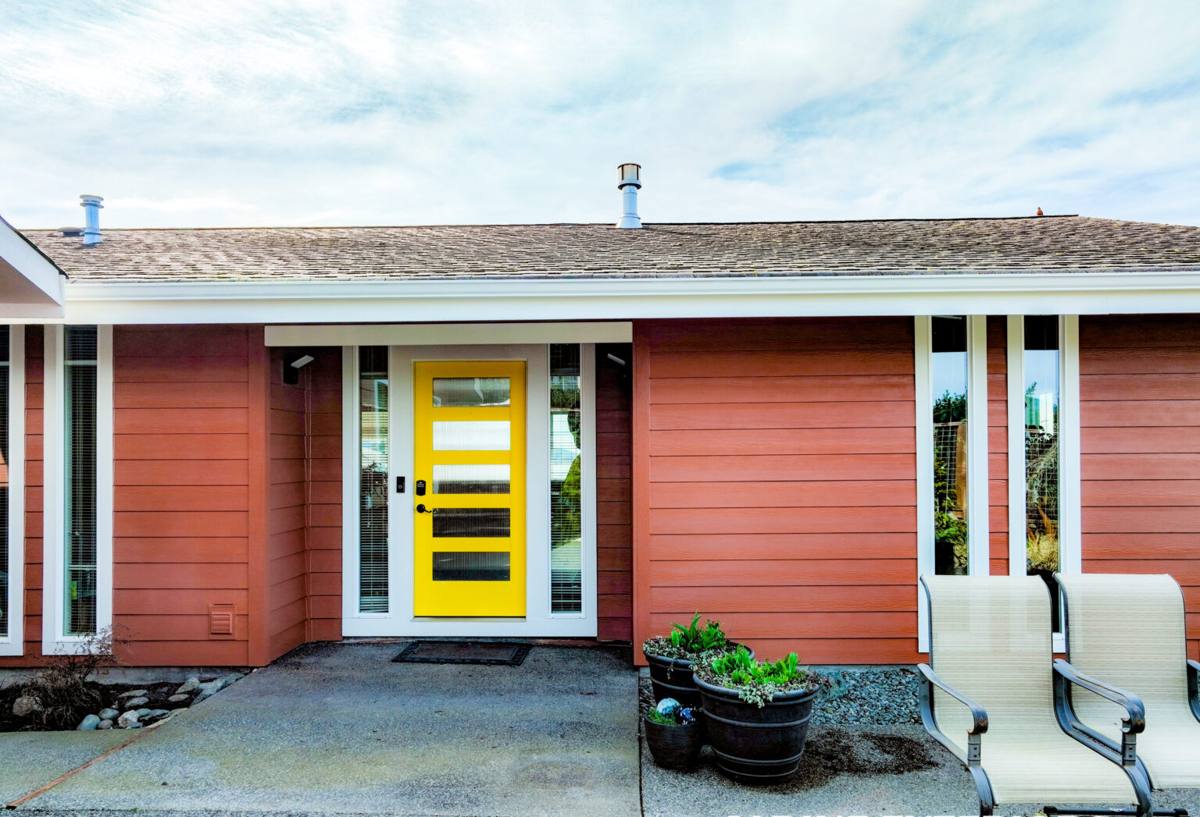
What Driving Rain, Salt Air, and Moss Season Do to Vertical Siding
Driving Rain and Wind-Driven Water
Board and batten relies on overlapping vertical joints — a batten strip covers the seam between two boards — to shed water. In a mild, calm climate that overlap does most of the work on its own. In Bellingham's wetter, windier months, rain doesn't just fall straight down; it drives sideways into vertical seams under wind pressure. If the boards behind the battens aren't backed with proper flashing and a drainage path, water can work its way behind the siding at exactly the joints that are supposed to be protecting the wall.
Salt Air Off Bellingham Bay
Homes closer to the water pick up airborne salt that settles on exterior surfaces and accelerates corrosion of exposed fasteners and metal trim, and it can also degrade paint and caulk faster than in inland areas. Vertical siding has more exposed seams, more battens, and more fastener locations than a simple lap pattern, so getting the fastener spec and finish right matters more here, not less.
Moss and Lichen From Persistent Shade and Moisture
Whatcom County's long damp season, combined with mature tree cover common around Sudden Valley and Lake Whatcom, keeps north- and west-facing walls shaded and slow to dry out. That's exactly the environment moss and lichen prefer. On vertical siding, moss tends to establish first at the base of boards and along battens where moisture sits longest, and once it's established it holds even more moisture against the material — which is a bigger problem for products that swell, rot, or delaminate when they stay wet than it is for a material engineered to handle it.
What a Correct Board & Batten Installation Actually Involves
Board and batten looks simple from the street — vertical boards, narrower strips over the seams — but the parts you can't see are what determine whether it lasts. A correct install in this climate includes:
- A drainage plane behind the siding. A weather-resistive barrier and, ideally, a rain screen gap so any water that does get past the surface has somewhere to go besides the sheathing.
- Flashing at every horizontal transition — window and door heads, roof-to-wall intersections, and the base of the wall — so water is directed out and away rather than trapped behind the panel.
- Correct fastener spacing and type for both the boards and the battens, matched to the manufacturer's spec rather than "close enough."
- Proper clearance at the bottom of the wall — siding held up off decks, patios, and grade so it isn't sitting in standing water or snow.
- Factory-finished or properly sealed cut edges so field cuts don't become the first place moisture gets in.
- Consistent batten spacing and reveal so the finished wall reads clean, not just functionally sound.
Skip any one of these and the siding can still look fine on installation day. The failures that show up from cutting corners on vertical siding — usually staining, swelling, or soft spots at the seams and base — tend to take a season or two of Bellingham weather to become visible, by which point the fix is far more involved than it would have been to do right the first time.
The Only Panel System We Install: James Hardie Fiber Cement
We install James Hardie fiber cement exclusively for board and batten work, and we don't install vinyl board and batten, LP SmartSide, Cemplank, Allura, or primed wood alternatives. That's a deliberate standard, not a lack of options.
Fiber cement is non-combustible and dimensionally stable — it doesn't expand and contract with moisture the way wood-based panels can, which matters directly for a style that depends on tight, consistent seams staying tight. James Hardie's HZ5 product line is engineered specifically for wetter, freeze-prone climates like the Pacific Northwest, and the factory-applied ColorPlus finish is baked on and warrantied against fading and peeling, rather than relying on a field-applied paint job to hold up against salt air and years of rain.
| Material | Moisture Behavior | Maintenance in This Climate | Our Position |
|---|---|---|---|
| James Hardie fiber cement | Dimensionally stable; doesn't swell or rot when wet | Occasional wash; factory finish resists moss staining better than painted wood | What we install |
| Vinyl board & batten | Won't rot, but can warp or crack with temperature swings; seams flex | Low, but appearance and joints degrade over time in UV and cold snaps | Not installed |
| Primed wood / spruce | Absorbs moisture at cuts and seams; prone to swelling and rot | Repainting and caulk maintenance on a recurring cycle | Not installed |
| LP SmartSide / engineered wood panel | Treated to resist moisture, but edges are vulnerable if not sealed and maintained | Requires diligent edge sealing and inspection, especially at seams | Not installed |
We're not going to claim the products we don't install are bad products — several of them are reasonable choices for the right home and budget. What we're saying is that after years of siding work in this specific climate, fiber cement is what we're willing to put our name behind for board and batten, where seam count and moisture exposure are already higher than on a standard lap job.
Our Process for Bellingham Board & Batten Projects
1. On-Site Assessment
We look at wall orientation, tree cover, proximity to water, existing moisture or moss damage, and how the current siding (if any) has held up. This tells us where extra flashing attention or drainage detailing is worth prioritizing on your specific home.
2. Prep and Moisture Barrier
Any damaged sheathing gets addressed before siding goes on — covering it up is how small problems become expensive ones. We install the weather-resistive barrier and rain screen components correctly the first time.
3. Flashing and Trim First
Window heads, roof lines, and wall bases get flashed before a single board goes up, not patched in afterward.
4. Board and Batten Installation
Boards and battens go up to manufacturer fastening spec, with consistent reveal and spacing, and proper clearance at grade and hard surfaces.
5. Final Walkthrough
We walk the finished job with you, seam by seam, before calling it done.
Maintenance and Longevity Once It's Installed
A correctly installed James Hardie board and batten system in this climate is low-maintenance, not no-maintenance. Expect to:
- Rinse the exterior periodically, especially shaded walls, to keep moss and organic growth from establishing
- Inspect caulking at trim and penetrations every year or two and re-caulk as needed
- Watch for any staining at the base of the wall, which usually points to a drainage or grading issue worth addressing early
- Repaint only if you choose a custom color outside the ColorPlus factory finish — the factory finish itself is warrantied and not something you'll need to maintain like field-applied paint
Why a Crew That Already Works Bellingham Matters
Board and batten done wrong doesn't fail everywhere at once — it fails first on the walls facing the weather your specific property actually gets. A crew that has installed and repaired siding across Whatcom County knows which orientations in the Bellingham area collect the most driving rain, where salt exposure tends to show up first, and which walls stay shaded long enough to grow moss even on a well-built home. That's the difference between a spec sheet followed generically and an installation detailed for the wall it's actually going on.
Questions Worth Asking Any Contractor Bidding Board & Batten Work
- What's the fastener spacing and type, and does it match the manufacturer's published spec?
- Is there a rain screen or drainage gap behind the siding, or is it installed direct-to-barrier?
- How is the base of the wall detailed for clearance above grade, decks, or patios?
- What flashing is used at window heads and roof-to-wall transitions?
- Is the finish factory-applied (like ColorPlus) or will it need field painting and future recoating?
If you're weighing board and batten for a home in the Bellingham area, we're happy to walk the property, talk through what your specific walls are up against, and put together a straightforward estimate — no pressure, no upsell into a product we don't stand behind. The form below is the fastest way to get that conversation started.