 Sudden Valley
 Why Fiber Cement Matters for Bellingham and Sudden Valley Homes
Houses around Bellingham and out along the Lake Whatcom shoreline in Sudden Valley deal with a specific combination of punishment: salt-tinged marine air rolling in off Bellingham Bay, long stretches of driving rain that comes in sideways more often than straight down, and a moss and algae season that can run eight or nine months out of the year in the shadier, tree-covered lots that make this area what it is. Siding here isn't just a cosmetic choice. It's the one layer standing between that weather and the framing, sheathing, and insulation underneath.
Fiber cement siding, specifically James Hardie's engineered product line, is built to handle that combination without the maintenance headaches that come with wood-based or foam-core alternatives. We install James Hardie exclusively in this area, and this page walks through what that actually means for a Bellingham or Sudden Valley home, not the generic version of this topic you'd find on a national siding site.
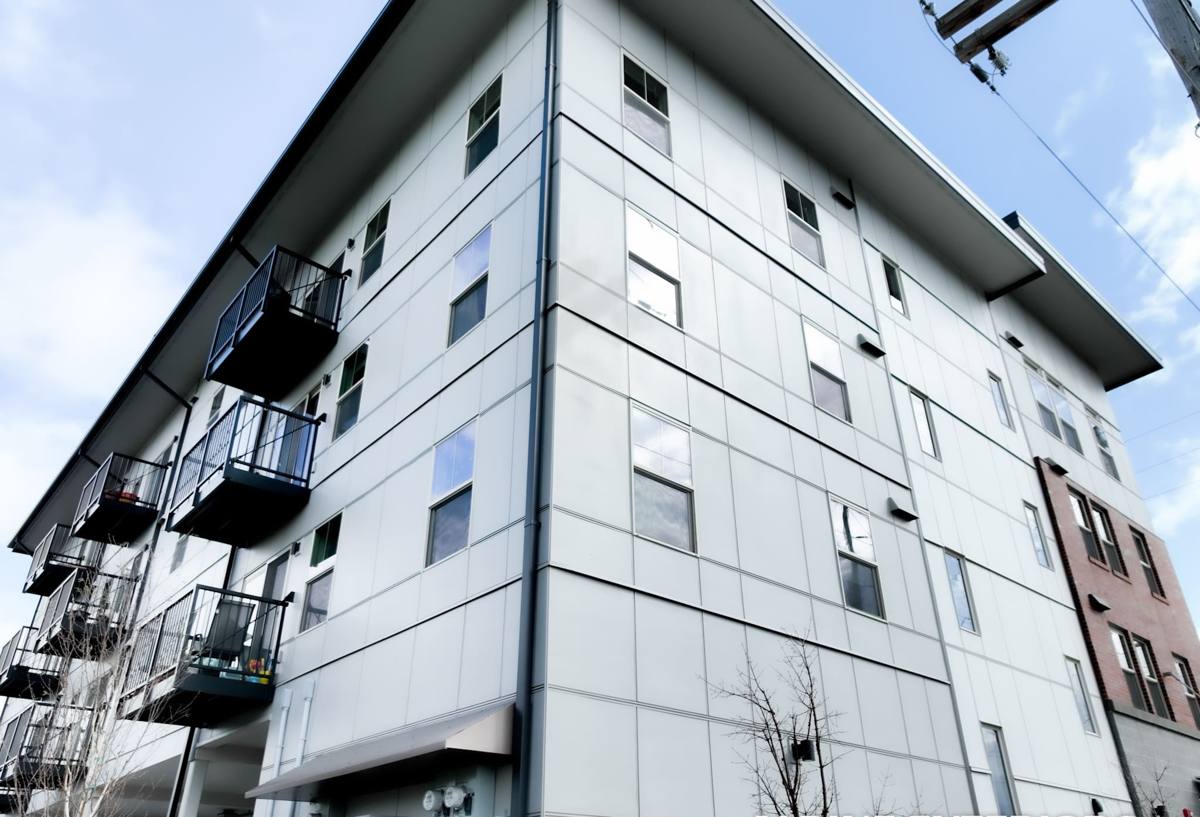
What Whatcom County Weather Actually Does to Siding
Salt Air and Moisture Load
Proximity to Bellingham Bay and the broader Puget Sound airshed means siding on the west and north sides of a home is regularly exposed to salt-laden moisture. That accelerates corrosion on fasteners and trim hardware that isn't rated for it, and it speeds up the breakdown of paint films that aren't formulated to hold up under repeated wet-dry cycling.
Driving Rain
Whatcom County doesn't just get a lot of rain, it gets a lot of wind-driven rain, especially during fall and winter storm systems moving in off the water. That means water gets forced sideways into laps, seams, and butt joints that would stay dry in a calmer climate. Any siding product with weak joint design or poor water-shedding detail will show it here first, usually at corners, around windows, and at the bottom courses closest to grade.
Moss, Algae, and Shade
Sudden Valley in particular has a lot of tree cover and homes tucked into wooded lots near the lake. Shade plus year-round moisture is exactly the recipe moss and algae need. Siding surfaces that stay damp longer because they're shaded, combined with a porous or absorbent substrate, will grow moss faster and hold onto it longer once it takes hold.
How James Hardie Siding Responds to This Climate
James Hardie fiber cement is cement, sand, and cellulose fiber, cured into a dense, non-combustible board. It doesn't absorb water the way wood or wood-composite products do, which matters directly for the driving-rain problem above. It doesn't feed moss and algae growth as a food source the way organic siding materials can, which matters for the shaded, damp lots common around the lake. And its ColorPlus factory finish is baked on and warranted separately from the substrate, which holds color and resists the fading and chalking that salt air and UV exposure cause over time.
James Hardie also makes climate-engineered HZ product lines specifically formulated for different moisture and temperature zones. For the Pacific Northwest, that means a formulation built around this region's wet, moderate climate rather than a one-size-fits-all product.
Why We Don't Install Alternatives
We get asked regularly about vinyl, LP SmartSide, primed spruce, and cedar. Each of those has legitimate uses somewhere. But for this specific climate, we've made a professional call to install only James Hardie fiber cement, for reasons that are specific to trade-offs, not marketing:
- Vinyl expands and contracts significantly with temperature swings, and in driving rain it relies almost entirely on lap geometry rather than a sealed surface, which is a weak point in wind-driven storms.
- LP SmartSide is an engineered wood product, meaning it's still wood fiber at its core. Wood-based products are more vulnerable to moisture wicking at cut edges and joints than cement-based siding, which matters a great deal in a climate this wet.
- Primed spruce and cedar are natural wood. They can look excellent, but they demand ongoing maintenance, repainting, and moisture vigilance that most homeowners underestimate until the first section starts showing rot or cupping.
We're not saying these products fail everywhere. We're saying that in a market with this much sustained moisture exposure, we'd rather stand behind one product we trust completely than install several and hope each holds up.
What a Correct Fiber Cement Installation Involves
Fiber cement siding is only as good as its installation. James Hardie's own installation instructions are detailed for a reason, and skipping steps is where most siding failures actually originate, not in the product itself.
The Details That Actually Matter
- Correct starter strip and flashing at the foundation line to keep the bottom course away from splashback and standing moisture
- Proper house wrap or weather-resistive barrier installed and lapped correctly underneath, since siding is one part of a larger water management system
- Rain screen or drainage gap detailing where appropriate, especially on the more rain-exposed elevations common on lakefront and wooded Sudden Valley lots
- Correct fastener type, spacing, and depth, not just "close enough" nailing, since over-driven or under-driven fasteners are a leading cause of premature siding problems
- Proper caulking and sealant only where Hardie's specifications call for it, not everywhere, since over-caulking can trap moisture instead of shedding it
- Clean, tight butt joints and corner details, particularly important given how much wind-driven rain this area sees
A crew that treats fiber cement installation like a vinyl or wood job, using the wrong fasteners or skipping the water management layer, will produce a wall that looks fine for a year or two and then starts failing at the seams. That gap between "looks installed" and "installed to spec" is where most of the long-term problems in this climate actually originate.
Comparing Siding Options for This Climate
| Factor | James Hardie Fiber Cement | Vinyl | Wood / Engineered Wood |
|---|---|---|---|
| Moisture resistance | Non-combustible, dense cement composition, minimal water absorption | Water-resistant surface but relies on lap fit, not a sealed system | Absorbs moisture at cut edges and joints over time |
| Salt air / coastal exposure | Factory ColorPlus finish holds up well; substrate doesn't corrode | Can become brittle with repeated UV and temperature cycling | Paint/finish breaks down faster under salt exposure |
| Moss and algae resistance | Not an organic food source; holds up in shaded, damp lots | Resistant to organic growth but can trap moisture behind panels | Organic material; more prone to moss/algae colonization |
| Fire resistance | Non-combustible | Combustible, can melt or warp near heat sources | Combustible |
| Maintenance | Occasional wash; factory finish reduces repainting need | Low maintenance but color fades over time, hard to touch up | Regular repainting/resealing required |
Our Process for Bellingham and Sudden Valley Projects
1. On-Site Assessment
We look at your home's specific exposure: which elevations take the most wind-driven rain, how much shade and moisture the site holds onto, and what condition the existing siding, trim, and water management layers are in before we ever talk product selection.
2. Straight Talk on Scope
We tell you honestly whether this is a full re-side, a partial replacement, or a repair situation, and why. We don't pad scope, and we don't downplay a problem that needs a fuller fix.
3. Correct Installation to James Hardie Spec
Every project follows manufacturer installation requirements, not shortcuts, because that's what keeps the warranty valid and the wall performing the way it's designed to in this climate.
4. Local Follow-Through
We work this area regularly, which means we're not disappearing after the invoice clears. If something needs a look after a hard winter storm, we're a known local crew, not a name from an out-of-town flyer.
Why Hiring a Crew That Already Works Bellingham Matters
Siding installation isn't identical everywhere. A crew that mostly works drier inland climates may not think twice about a detail that's critical here, like drainage planes on shaded, tree-covered elevations, or flashing details around foundations that stay damp for months at a time near the lake. Contractors who work Whatcom County regularly have already seen what driving rain and moss do to siding that wasn't detailed correctly, and they build around it instead of learning the hard way on your house.
There's also a practical side: warranty and follow-up service are only as good as a contractor's willingness to show back up. A crew already established in this market has a reason to get the details right the first time.
What This Costs and What Drives the Price
Fiber cement siding costs more upfront than vinyl and is generally in a similar range to quality engineered wood siding, though exact pricing depends on your home's size, the amount of trim and detail work, existing siding removal, and site access. The real cost driver over time isn't the sticker price, it's how much you spend on maintenance and repair over the following twenty years. A correctly installed James Hardie system is designed to minimize that second number, which is where the value shows up.
Ready for a Straight Answer About Your Siding
If your Bellingham or Sudden Valley home is showing early signs of moisture damage, moss buildup, or worn-out siding, we're happy to come take a look and give you an honest read on what it needs. Reach out for a free, no-pressure estimate using the form below.