 Sudden Valley
 South Hill's Climate Is Harder on Windows Than It Looks
South Hill sits close enough to the water and the tree line that homes here deal with a specific combination of stresses most manufacturers' warranty language never accounts for: salt-laden air off the Sound, driving rain that comes in sideways during winter storms, and a moss and mildew season that can stretch eight or nine months out of the year. None of that is dramatic on its own. It's the accumulation that gets you — a window that's fine in year three starts weeping, fogging, or dragging in its track by year twelve, and the homeowner is left wondering if it was ever installed right in the first place.
Energy efficiency in this part of Whatcom County isn't just about a lower heating bill, though that matters too. It's about keeping moisture out of the wall cavity, keeping seals intact through repeated wet-dry cycles, and choosing materials and glass packages that don't need babying to hold their performance for the long haul.
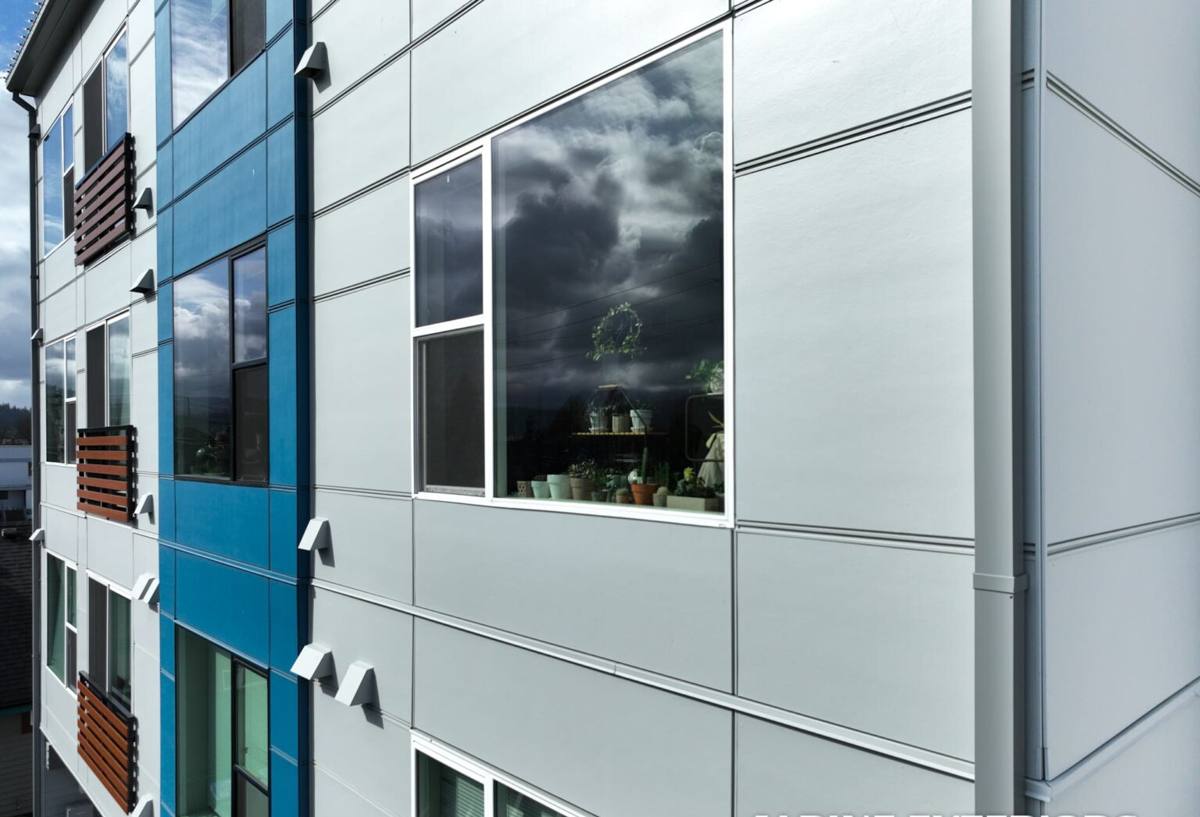
What "Energy-Efficient" Actually Means for a Home Like Yours
"Energy-efficient windows" gets used as a marketing phrase more often than it gets explained. For a South Hill home, it breaks down into three things that actually matter day to day:
Insulating Value
This is the U-factor and the glass package — how well the window resists heat transfer. In our climate, where you're running the furnace far more months than the air conditioning, a low U-factor keeps warm air in and cold, damp air out. It's the number most homeowners focus on, and it's the easiest to compare on paper.
Air and Water Sealing
This is where a lot of "energy-efficient" installs quietly fail. A window with excellent glass specs but a sloppy install will still let air infiltrate around the frame, and worse, let wind-driven rain track behind the trim. In a climate that gets sustained horizontal rain off the water, sealing and flashing detail matters as much as the glass rating on the sticker.
Durability Against Moisture and Salt
Frame material and hardware finish need to hold up to salt air without corroding hardware or degrading seals early. A window that's rated efficient in a lab doesn't stay efficient if its weatherstripping compresses out of shape or its hardware seizes after a few damp winters.
Frame Materials: What Holds Up Here and What Doesn't
We install several frame materials, and the right one depends on the home, the exposure, and the budget — not on which one is trendiest. Here's how the common options actually perform under South Hill conditions:
| Frame Material | Moisture & Salt-Air Behavior | Maintenance | Typical Lifespan |
|---|---|---|---|
| Vinyl (quality, multi-chambered) | Won't rot or corrode; performs well in wet, salt-exposed settings | Low — occasional cleaning | 20–30+ years |
| Fiberglass | Excellent stability, minimal expansion/contraction, strong moisture resistance | Low | 30+ years |
| Wood-clad | Attractive, but cladding seams are a moisture entry point if not detailed carefully | Moderate to high | Varies widely with maintenance |
| Aluminum | Prone to condensation and heat loss unless thermally broken | Low, but performance suffers without thermal break | 20–30 years |
We're honest with clients about wood-clad windows in particular: they can look great, but in a driving-rain, high-moisture climate, the cladding-to-wood seam needs near-perfect detailing to avoid trapped moisture down the road. That's a maintenance and installation-sensitivity trade-off worth understanding before you commit, not a reason to rule them out entirely.
Glass Packages Worth Paying For
Double-pane, low-E, argon-filled glass is the baseline we recommend for South Hill homes, and for most houses it's the right call. Triple-pane adds further insulating value and can be worth it on north-facing walls or rooms that run cold, but it adds weight and cost, and the marginal gain over a good double-pane low-E unit is smaller than the marketing suggests. We'll walk through your specific exposures — which walls catch the wind, which rooms feel drafty — before recommending one over the other.
Signs Your South Hill Home's Windows Are Underperforming
Homeowners often live with a slowly failing window for years because the symptoms show up gradually. Watch for:
- Fogging or a visible haze between panes — the seal has failed and the insulating gas is gone
- Condensation forming on the inside of the glass regularly through fall and winter
- Visible gaps, soft or discolored trim, or a musty smell near the window after heavy rain
- A window that's hard to open, close, or lock — frames can warp slightly with sustained moisture exposure
- A noticeable draft when you hold your hand near the frame on a windy day
- Rooms that are harder to heat than the rest of the house, especially on walls facing prevailing weather
- Moss or dark staining building up on the sill or exterior trim faster than elsewhere on the house
Any one of these is worth a look. Several together usually means the window and its surrounding flashing need attention, not just the glass.
What a Correct Installation Actually Involves
The window unit itself is only part of the job. In a climate that throws sustained wind-driven rain at a house, the install detail around the window is what determines whether it performs for twenty years or starts leaking in five.
Flashing and Moisture Management
Proper flashing directs any water that gets behind the trim back out, rather than letting it pool against the sheathing. This means correct layering — flashing tape, house wrap, and trim installed in the right order so water always sheds outward, never inward. Skipping or rushing this step is the single most common cause of hidden rot around replacement windows.
Fit and Air Sealing
The window needs to be shimmed level, plumb, and square, then sealed with the right combination of low-expansion foam and sealant — not just caulked around the edges and called done. A tight, correct fit is what keeps the U-factor on the spec sheet honest once the window is actually in your wall.
Sill and Sub-Sill Detail
Sloped sills that shed water away from the house, and a sub-sill pan where called for, matter more here than in drier climates. It's a small detail that makes a real difference over years of driving rain.
Our Process, Start to Finish
- Walkthrough and assessment — we look at each window's exposure, current condition, and any signs of moisture intrusion before recommending anything
- Honest recommendation — frame material and glass package based on your home's actual exposure and budget, not a one-size-fits-all pitch
- Clear estimate — written, itemized, no surprise add-ons once work begins
- Installation — proper flashing, sealing, and fit as described above, on every window, not just the ones facing the street
- Cleanup and walkthrough — we review the finished work with you before we consider the job done
What Affects Cost
We don't publish blanket window prices because the honest answer depends on several variables specific to your home:
| Factor | Why It Matters |
|---|---|
| Number of openings and sizes | Larger and custom-sized windows cost more than standard sizes |
| Frame material chosen | Vinyl, fiberglass, and wood-clad carry different material costs |
| Glass package | Triple-pane and specialty coatings add cost over standard low-E double-pane |
| Condition behind the existing window | Hidden rot or water damage found during removal adds repair work |
| Access and site conditions | Second-story or hard-to-access windows take more time and equipment |
We'll always flag hidden issues before we proceed with repairs, not after, so there are no surprise change orders.
Why Local Experience in This Neighborhood Matters
A crew that regularly works South Hill and the greater Sudden Valley area already knows how this microclimate behaves — which exposures take the worst of the winter storms, how quickly moss builds up on north-facing trim, and where salt air tends to do the most damage to hardware and seals over time. That's not something you get from a general contractor passing through once. It shows up in the small decisions: which flashing detail to use on a given wall, when triple-pane is worth the extra cost and when it isn't, and how to sequence a replacement so your home isn't exposed to the weather any longer than necessary.
Living With Windows in a Moss-Prone, Salt-Air Environment
Even a well-installed, high-quality window benefits from basic upkeep in this climate. Rinsing salt residue off exterior frames a couple of times a year, keeping gutters and nearby vegetation clear so moss and organic debris don't sit against the trim, and checking weatherstripping periodically for compression will extend the life of any window system. None of this is labor-intensive, but skipping it is how a twenty-five-year window becomes a fifteen-year window.
If your South Hill home has windows that fog, drag, draft, or just don't hold heat the way they used to, we're happy to take a look and give you a straightforward assessment — no pressure, no sales script. Fill out the form below to schedule a free estimate.