 Sudden Valley
 Building Decks for Geneva Homes, Not Generic Ones
Geneva sits close to Lake Whatcom, tucked into the tree cover and shoreline terrain that make Sudden Valley living so appealing — and so demanding on outdoor structures. A deck here has to hold up to driving rain off the lake, salt-tinged marine air that moves in from the Sound, and a moss season that can stretch from late fall well into spring. A deck built the same way you'd build one in a dry inland climate will show its age fast: soft spots at the ledger, green film on the boards by February, and fasteners bleeding rust within a couple of years.
We build decks for this specific stretch of Whatcom County, and that changes real decisions — how we frame, what fasteners we specify, how we detail the ledger connection, and which decking materials we'll recommend versus steer you away from. This page walks through what a Geneva deck actually needs, not what a catalog says a deck needs in general.
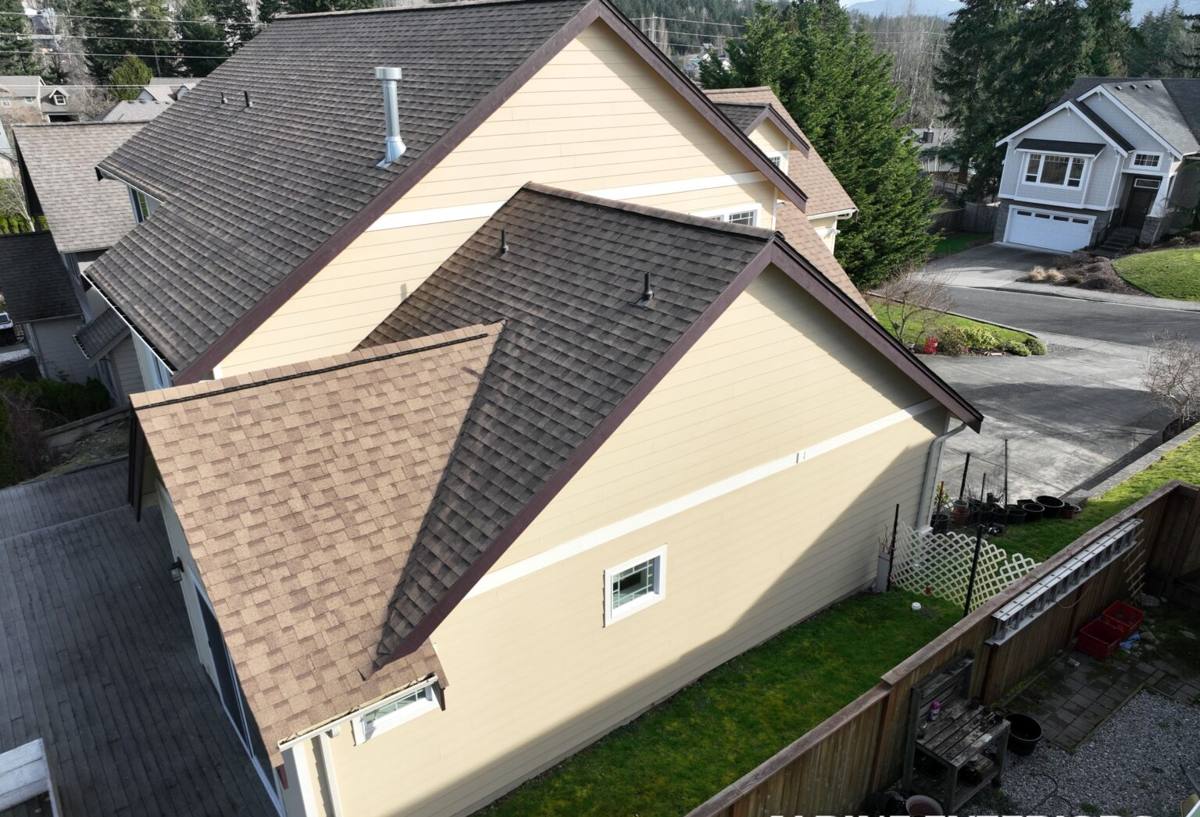
What This Climate Does to an Outdoor Structure
Three things drive almost every deck problem we see in this area:
- Persistent moisture — long stretches of overcast, drizzly weather mean wood surfaces rarely get a full dry cycle, which is exactly what moss, algae, and rot need to take hold.
- Marine and lake-effect air — the combination of moist air off the water and salt carried inland accelerates corrosion on any hardware that isn't rated for it.
- Tree canopy shade — many Geneva lots are wooded or slope toward the lake, which keeps decks shaded and slower to dry after rain, extending the window where moss and mildew can spread.
None of this means a deck can't last decades here. It means the build has to account for slower drying, more corrosive air, and heavier organic growth from day one — not as an afterthought once the deck is already showing wear.
Site Conditions Specific to Geneva and Sudden Valley Lots
Slope and Grade
A lot of homes in and around Sudden Valley sit on sloped lots leading down toward the lake, which is part of why decks matter so much here — they're often the main flat outdoor living space a home has. Sloped lots also mean more attention to footing depth, post height, and drainage under the deck, since water running downhill needs somewhere to go besides pooling against your foundation or posts.
Tree Cover and Airflow
Mature trees are part of the appeal of this area, but they also mean decks often sit in partial shade most of the day. That's a factor we plan for in board spacing and joist layout — airflow underneath and between boards is one of the cheapest, most effective defenses against moss and mildew, and it costs nothing extra if it's designed in from the start.
Soil and Drainage
Footings around the lake basin frequently sit in soil that holds moisture longer than you'd expect. We don't guess on footing depth or size — it's set based on what the ground actually does here, not a generic span table.
Choosing a Decking Material That Actually Holds Up
This is the decision homeowners ask about most, and honestly it's the one where the wrong choice costs the most money down the road. Here's how the common options actually perform in a damp, shaded, moss-prone climate like this one.
| Material | Moisture Behavior | Moss/Algae Resistance | Maintenance |
|---|---|---|---|
| Pressure-treated wood | Absorbs and releases moisture; prone to cupping if not sealed regularly | Low — needs regular cleaning and sealing to resist growth | Annual cleaning and re-sealing recommended |
| Cedar | Naturally moisture-resistant but still needs finish maintenance | Moderate | Periodic cleaning and refinishing |
| Capped composite | Doesn't absorb water into the core; won't cup or rot | Good — capped surface resists staining and growth, though shaded areas still need occasional cleaning | Low — occasional wash-down |
| PVC decking | Fully moisture-resistant, no wood fiber to feed rot | Good, with the same occasional cleaning in deep shade | Low |
We're straightforward with clients about the trade-off: composite and PVC cost more up front but remove the ongoing maintenance burden that wood carries in a climate that rarely lets a deck fully dry out. Wood is a legitimate choice if you're committed to yearly cleaning and sealing — we'll install it well either way — but we won't tell you it's low-maintenance here, because in this climate it isn't.
Why We're Selective About Which Composite Lines We Install
Not all composite decking handles constant damp shade equally well. Boards with a fully capped profile on all four sides shed water and resist moisture wicking at the cut ends far better than partially capped or uncapped boards. Our standard is to use fully capped products and to seal or cap every field cut on site — an exposed cut end in a shaded, damp spot is one of the most common places we see moisture damage start on composite decks that weren't detailed properly during installation.
Framing and Structural Details That Matter Here
The parts of a deck you never see are what determine whether it's still solid in fifteen years. In this climate, three details get extra attention on every deck we build:
- Ledger flashing: the connection where the deck meets the house is the single most common point of hidden rot on older decks in wet climates. We flash it so water is directed away from the house framing, not trapped against it.
- Joist tape and hardware: covering the tops of joists and beams reduces moisture absorption into the wood, which matters more here than in drier parts of the state given how long boards stay damp after rain.
- Footing depth and drainage: footings are sized and placed based on the actual soil and drainage conditions on your lot, not a one-size table, especially on the sloped terrain common around the lake.
Fasteners and Hardware: Where Salt Air Does the Most Damage
Marine air is hard on unprotected metal, and it's one of the most overlooked details in deck construction. Standard electro-galvanized screws and brackets can start showing rust streaks down the face of light-colored decking within a season or two in this area. We specify stainless steel or heavy hot-dip galvanized hardware rated for the exposure, and we use hidden fastener systems where the decking product supports it — both for appearance and because exposed screw heads are exactly where corrosion starts first.
Railings and Fascia in a Damp, Shaded Setting
Railings take a similar beating — they're the part of the deck most exposed to blowing rain and least protected by tree cover. Metal railing components need the same corrosion-resistant hardware as the deck frame, and any wood railing components need the same sealing schedule as wood decking. Where clients want a low-maintenance look, aluminum or composite rail systems paired with proper post-to-frame connections hold up well without the yearly upkeep wood railings demand.
How Our Process Works, Start to Finish
- Site visit: we walk your Geneva property, check grade, drainage, sun/shade exposure, and existing structure if you're replacing a deck.
- Design and material selection: we go over decking, railing, and layout options with honest trade-offs for your budget and how much upkeep you want to take on.
- Permitting: we handle the permit process with Whatcom County so footings, railing height, and guard spacing meet code.
- Framing: footings, posts, beams, and joists go in with the flashing, joist protection, and fastener spec described above.
- Decking and railing installation: boards and rails go on with attention to spacing for airflow and clean, sealed cut ends.
- Final walkthrough: we go over care and maintenance specific to the material you chose before we call the job done.
Keeping a Geneva Deck Looking and Performing Its Best
Whatever material you choose, a little seasonal attention goes a long way in this climate. Here's what we recommend to clients in this area:
- Sweep leaves and debris off the deck regularly in fall — trapped wet leaves are one of the fastest ways moss gets a foothold.
- Rinse or lightly scrub shaded areas and board edges once or twice a year, even on low-maintenance composite or PVC decking.
- Check and reseal wood decking and railings annually, or as soon as the finish starts looking dull or the wood starts absorbing water instead of beading it.
- Keep gutters and downspouts clear so runoff isn't dumping extra water directly onto or under the deck.
- Inspect fasteners and hardware yearly for early rust streaks — catching it early is far cheaper than replacing boards later.
- Trim back overhanging branches where practical to improve sun exposure and airflow across the deck surface.
Why It Matters to Hire a Crew That Already Works in This Area
A deck built to a generic spec sheet can look fine the day it's finished and still develop problems within a year or two once it meets this area's actual weather pattern. The difference shows up in the details that don't get inspected at handoff — how the ledger was flashed, whether the fasteners were rated for marine air, whether the framing accounts for how slowly things dry out here. A crew that regularly builds and repairs decks around Sudden Valley and the Lake Whatcom area has already seen what fails and why, and builds to avoid it the first time rather than fixing it later under warranty.
If you're planning a new deck or replacing one that's showing its age, we're happy to come take a look at your Geneva property and talk through honest options for your budget and how much maintenance you want to take on. The estimate is free, there's no pressure, and you can use the form below to get started.