 Sudden Valley
 Why Happy Valley Homes Need Windows Built for This Climate
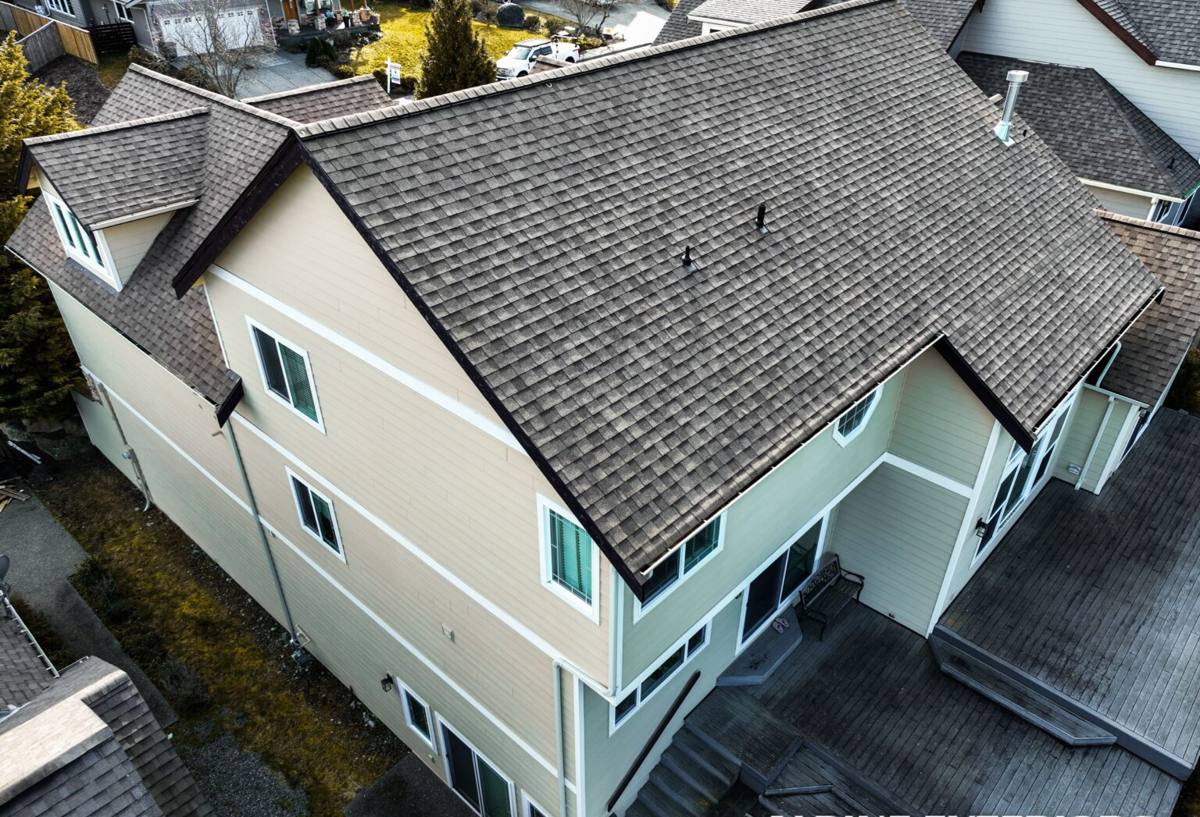
Happy Valley sits close enough to the water and the weather patterns that roll through Whatcom County that its homes take a different kind of beating than houses further inland. Salt-laden air corrodes hardware and finishes faster than most manufacturers' standard warranties anticipate. Driving rain, pushed sideways by wind off the water, tests every seal and sill detail a window has. And the long moss season here — often stretching from fall through spring — means anything that stays damp for weeks at a time becomes a growth surface, including window frames, sills, and the wood trim around them.
None of that is exotic weather. It's just steady, patient wear. But it means a window that performs fine in a showroom or in a drier part of the state can start failing here within a few years — fogged glass, soft sills, sticking sashes, drafts you can feel with your hand. Energy-efficient windows for a Happy Valley home aren't just about a lower heating bill, though that matters. They're about a window system that's actually engineered to shed water, resist salt corrosion, and keep moss and mildew from getting a foothold in the first place.
What "Energy-Efficient" Actually Means for This Area
Energy efficiency in a window comes down to a handful of measurable properties, and in a marine climate like this one, some matter more than others.
U-Factor and Heat Loss
U-factor measures how much heat a window lets escape. Lower is better. In Whatcom County's mild-but-damp winters, a low U-factor keeps rooms comfortable without the furnace running constantly, and it reduces the interior surface condensation that leads to mold on sills and trim.
Solar Heat Gain Coefficient (SHGC)
SHGC measures how much solar heat passes through the glass. This region doesn't get the intense summer sun that drives SHGC decisions in hotter climates, so we generally prioritize U-factor and air infiltration over aggressive solar control — though window orientation on the house still matters and we'll walk through it with you.
Air Infiltration
This is the number that matters most against driving rain and wind off the water. A window with a poor air infiltration rating doesn't just waste energy — it's also more likely to let wind-driven rain find its way in around the sash.
Signs Your Current Windows Are Costing You Money
Most homeowners don't replace windows because they woke up thinking about U-factors. They replace them because something's visibly wrong. In Happy Valley, the tells are pretty consistent:
- Fog or moisture trapped between the panes of a double-pane window — the seal has failed and the insulating gas is gone
- Green or black growth building up in the corners of the frame or on the exterior sill, even after cleaning
- A noticeable draft near the window when the wind picks up, especially during a storm off the water
- Sashes that stick, don't latch fully, or have started to swell or soften at the bottom corners
- Hardware — locks, hinges, cranks — that's pitted, corroded, or stiff from salt exposure
- Rooms near windows that feel noticeably colder than the rest of the house in winter
Any one of these is worth a look. Several together usually means the window system as a whole — not just the glass — has reached the end of its useful life.
What a Correct Installation Involves
The window unit itself only does half the job. The other half is installation, and in a climate with this much driving rain, installation quality is often the difference between a window that lasts twenty-plus years and one that fails at the sill in five.
Flashing and Water Management
Every opening needs to be flashed so that any water that does reach the window — and in this climate, some always will — gets directed back out and away from the wall framing, never trapped behind the siding. This includes sill pan flashing, proper head flashing, and correct integration with the house's weather-resistive barrier.
Sealing Without Trapping Moisture
Sealant matters, but so does knowing where not to seal. A fully sealed window with no way for incidental moisture to escape can trap water inside the wall assembly, which causes rot you won't see until it's serious. Correct installation balances sealing the interior air barrier tightly while leaving the exterior able to drain and dry.
Frame-to-Opening Fit and Insulation
Gaps around the frame need to be insulated correctly — not overpacked with expanding foam, which can bow the frame and affect operation, and not left hollow, which creates a cold spot and a path for air infiltration.
Frame Materials: What Holds Up Here
| Frame Material | Salt Air / Moisture Behavior | Maintenance | Typical Fit for Happy Valley |
|---|---|---|---|
| Vinyl | Won't rust or corrode; some lower-grade vinyl can become brittle over many years of UV and salt exposure | Low — occasional cleaning | Solid, cost-effective choice for most homes |
| Fiberglass | Very stable in temperature swings and moisture; resists warping and doesn't corrode | Low | Strong long-term option, especially for larger openings |
| Wood (unclad) | Handsome but vulnerable to the region's long moss and damp season without diligent upkeep | High — regular painting/sealing | Only where the look is a priority and upkeep is planned for |
| Wood-clad (aluminum or vinyl exterior) | Exterior cladding protects the wood from salt air and rain; interior keeps the wood look | Moderate | Good middle ground for homes wanting a wood interior |
| Aluminum | Strong but conducts heat and cold readily unless thermally broken; can corrode with salt exposure over time | Low to moderate | Situational — usually not our first recommendation here |
We don't push one material on every home. What we won't do is install a bare wood frame on a Happy Valley home without being upfront that it will need real, ongoing maintenance to survive the moss season — that's a trade-off decision for you to make with full information, not a surprise two winters in.
Our Process, Start to Finish
- On-site assessment. We look at every window opening being considered, check for existing water damage or soft framing, and note exposure — which walls take the worst of the wind-driven rain.
- Product selection. Based on the assessment, we walk through frame material, glass package, and hardware options that fit both your budget and the realistic demands of this location.
- Precise measurement and ordering. Windows are ordered to the actual opening, not a rough estimate — a poor fit undermines everything else.
- Removal and opening inspection. Old windows come out carefully so we can inspect the framing underneath before anything new goes in. If we find rot or damage, we flag it and address it before installing — not after.
- Flashing, installation, and sealing. Done per the details above, with attention to water management specific to this climate.
- Final check and cleanup. Every window is operated, checked for square and smooth function, and the site is cleaned up before we leave.
What Drives the Cost
| Factor | Why It Matters |
|---|---|
| Number of windows | Per-window cost typically drops somewhat as the total job size grows |
| Frame material | Vinyl is generally the most budget-friendly; fiberglass and wood-clad cost more upfront |
| Glass package | Double vs. triple pane, low-E coatings, and gas fill all affect price and performance |
| Opening condition | Rot or framing repair discovered during removal adds time and material |
| Access and window size | Second-story, oversized, or hard-to-reach openings take more labor |
We give straightforward, written estimates after the on-site assessment — no vague ranges, and no pressure to upgrade beyond what actually makes sense for your home.
What to Check Before Hiring Anyone for This Work
- Do they inspect the opening and framing before quoting, or just measure the glass?
- Can they explain their flashing and sealing approach in plain terms, not just brand names?
- Do they offer a written warranty covering both the product and their labor?
- Are they licensed and insured to work in Washington?
- Do they have real experience with homes in this specific area and its weather exposure?
Why Local, Happy Valley-Familiar Experience Matters
A window crew that mostly works drier, more sheltered parts of the state can install a technically fine window and still miss the details that matter here — the flashing detail that handles sideways rain, the frame material that won't host moss by year three, the hardware upgrade that resists salt corrosion. We work Whatcom County homes regularly, including the Sudden Valley and Happy Valley area, and we bring that pattern recognition to every assessment: what tends to fail here, what tends to last, and where it's worth spending a little more versus where it isn't.
If you're noticing drafts, fogged glass, or sills that never quite dry out, we're happy to take a look and give you a straightforward, no-pressure estimate — just fill out the form below to get started.