 Sudden Valley
 Roof Repair in Deming: Built for Whatcom County Weather
Deming sits in the kind of Pacific Northwest climate that's hard on roofs in a slow, cumulative way. It's rarely one big storm that causes the damage — it's the steady combination of driving rain, damp marine air moving in off the water, and long stretches of shade and moisture that never quite dry out between fall and spring. Add a heavy moss season that can run six months or more, and even a roof that looked fine three years ago can be hiding real problems today.
We work on roofs throughout the Sudden Valley area, and Deming comes with its own pattern of wear: tree cover that keeps roofs damp longer than open lots, gutters that clog fast with needles and debris, and moss that gets a foothold on north-facing slopes before anyone notices it from the ground. A roof repair here isn't just patching a leak — it's addressing why that spot failed in the first place, so the fix actually holds through the next wet season.
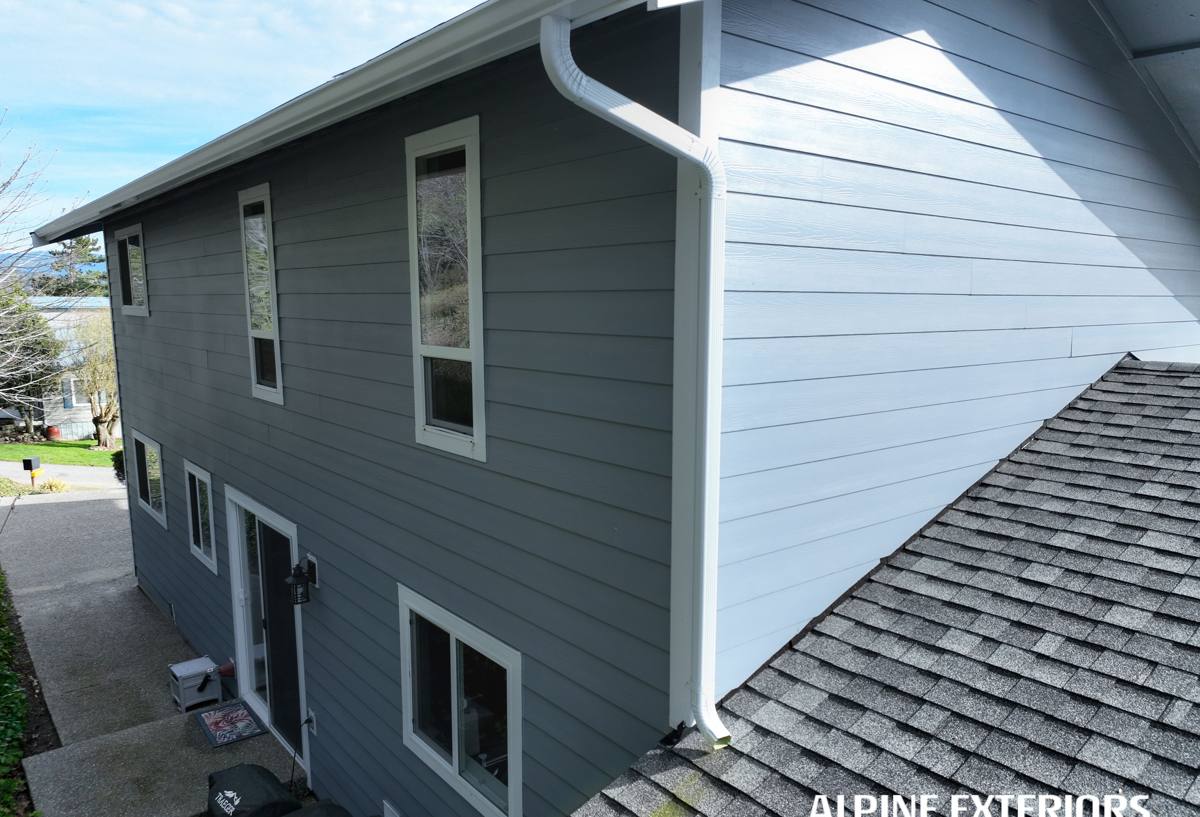
Signs a Deming Roof Needs Repair — Not Full Replacement
Most roofs don't need to be torn off just because they have a problem. A targeted repair is often the right call when the damage is localized and the rest of the roof is structurally sound. Here's what we look for:
- Isolated leaks around chimneys, skylights, vents, or valleys, rather than staining spread across multiple rooms
- Missing, cracked, or lifted shingles in one or two areas after wind events
- Moss buildup that has lifted shingle edges but hasn't yet broken the underlying seal
- Flashing that's rusted, loose, or was installed poorly the first time
- Soft spots in the decking limited to a small area, usually near a past leak point
If the damage is widespread, the decking is soft in multiple areas, or the roofing material itself is past its service life across the whole field, repair stops making financial sense and we'll say so directly. Our goal on every visit is to tell you what the roof actually needs, not what generates the bigger invoice.
What a Correct Roof Repair Actually Involves
Diagnosis Before Anything Gets Touched
A repair that doesn't start with finding the real source of a leak is a repair that comes back. Water travels — a stain in a bedroom ceiling can trace back to a flashing gap ten feet away at the roofline. We inspect the full roof plane around any reported issue, not just the spot where the damage shows up inside, because chasing the visible symptom instead of the source is the most common reason roof repairs fail twice.
Matching Materials, Not Just Covering Holes
Whenever possible we match the existing shingle or panel type, profile, and as close to color as the product line allows. A patch that doesn't match the surrounding material doesn't just look wrong — mismatched materials can age and expand at different rates, which creates new seams that are more likely to fail than the original roof.
Flashing and Moisture Points Get Priority
Most roof leaks in this climate don't start in the field of the roof — they start at the details: chimney flashing, valley metal, vent boots, skylight curbs, and where the roof meets a wall. Any repair we do addresses these points first, because a new shingle over bad flashing is a temporary fix at best.
Moss, Debris, and Whatcom County's Long Wet Season
Moss is more than a cosmetic issue here. As it establishes on shaded or north-facing slopes, it holds moisture directly against the shingle surface and works its way under the edges, which lifts the material and breaks the water seal underneath. Once that happens, even a light rain can get behind the shingle instead of running off it.
Our approach to moss as part of a repair:
- Gentle removal that doesn't scrape or gouge the shingle surface — aggressive pressure washing does more harm than the moss itself
- Clearing gutters and valleys of the needle and leaf debris that holds moisture and feeds regrowth
- Treating the cleared area to slow moss return, rather than just removing what's visible
- Checking for any shingle damage the moss was hiding before we call the area repaired
If your roof has heavy moss on one or two slopes but the rest is clean, that's usually a maintenance and repair job — not a sign the whole roof is failing.
Repair vs. Replacement: How We Help You Decide
This is the question most homeowners actually want answered, and it depends on more than roof age. Here's the general framework we use when we're on-site:
| Factor | Leans Toward Repair | Leans Toward Replacement |
|---|---|---|
| Extent of damage | Limited to one or two areas | Spread across multiple slopes |
| Decking condition | Firm, no rot found | Soft or delaminated in several spots |
| Roof age | Well within expected service life | Near or past the material's typical lifespan |
| Leak history | First occurrence, clear source | Repeated leaks in different spots |
| Material availability | Matching shingle/panel still obtainable | Discontinued or badly weathered mismatch |
We'll walk you through where your roof falls on each of these before recommending either path — and we're comfortable telling a homeowner their roof has a few good years left in it, even when that means a smaller job for us.
What Goes Into the Cost of a Roof Repair
We don't publish flat prices because roof repairs vary too much job to job, but the main cost drivers are consistent:
| Factor | Why It Matters |
|---|---|
| Roof pitch and accessibility | Steeper or harder-to-reach roofs take longer and require more safety setup |
| Extent of decking damage | Rotted plywood underneath adds material and labor beyond the surface repair |
| Material type | Composition shingle, metal, and other roofing systems each require different repair techniques and materials |
| Number of penetrations involved | Chimneys, skylights, and multiple vents each add flashing work |
| Moss or debris removal needed | Cleanup ahead of the repair adds time but prevents a fast repeat failure |
We give a firm, written estimate after inspecting the roof in person — not a phone-quote guess — so you know what you're actually paying for before any work starts.
Our Roof Repair Process
- On-site inspection of the reported issue and the surrounding roof area, inside and out where relevant
- Plain-language explanation of what we found and why it happened
- Written estimate covering the specific repair — no bundled work you didn't ask about
- Scheduled repair, with material matched to your existing roof wherever possible
- Moss, debris, and gutter cleanup in the repair area if it contributed to the problem
- Final walk-through so you can see exactly what was done
We don't use roof repairs as a lead-in to push a full replacement you don't need. If a repair is the honest answer, that's what we quote.
Why a Crew That Already Works Deming Matters
A roofing crew that regularly works Sudden Valley and the surrounding Deming area already understands how local terrain, tree cover, and weather patterns affect a roof — which slopes hold moss longest, how gutters clog differently under heavy fir and cedar cover, and how driving rain off a storm front tends to find the same weak points on similar roof designs. That local pattern recognition speeds up diagnosis and helps us catch problems a generalist crew from outside the area might miss on a first look.
It also means faster response. When a leak shows up during a storm, you're not waiting on a crew that has to drive in from across the county — we're already working in the neighborhood.
Roof Repair Checklist for Deming Homeowners
Before calling for a repair, a quick visual check from the ground can help you describe the problem accurately and speed up the diagnosis:
- Look for moss buildup, especially on shaded or north-facing roof slopes
- Check gutters for overflow marks or visible debris buildup during rain
- Note any interior stains — location, size, and whether they appear during or after rain
- Look for shingles that appear lifted, curled, or missing after a windstorm
- Check around chimneys and vents for visible rust, gaps, or lifted flashing
- Write down when you first noticed the issue — this helps us trace how it's progressed
If your roof is showing any of these signs, or you'd just like an honest read on its condition, we're glad to take a look. The estimate is free, there's no pressure to book anything on the spot, and you'll get a straight answer about whether you need a repair, a replacement, or nothing at all right now — just fill out the form below to get started.