 Sudden Valley
 Siding Built for the Way Acme Actually Weathers
Homes in and around Acme sit in the kind of Whatcom County setting that's beautiful to live in and hard on exterior materials: tree-covered lots, valley humidity that lingers long after a storm passes, and the same marine-influenced climate that touches the whole county — salt-tinged air drifting in off the water, driving winter rain, and a moss season that barely takes a break most years. None of that is a reason to avoid siding your home well. It's a reason to be specific about what "well" means out here.
A siding job that would hold up fine in a dry inland climate can fail early in this one. Wood-based products swell, wick moisture at the seams, and feed the moss and mildew that thrive under tree canopy. Vinyl flexes and gaps as it ages, giving rain a path behind the cladding. The fixes for that aren't cosmetic — they're about material choice, water management, and installation detail done right the first time, because re-doing siding on an occupied home is expensive and disruptive.
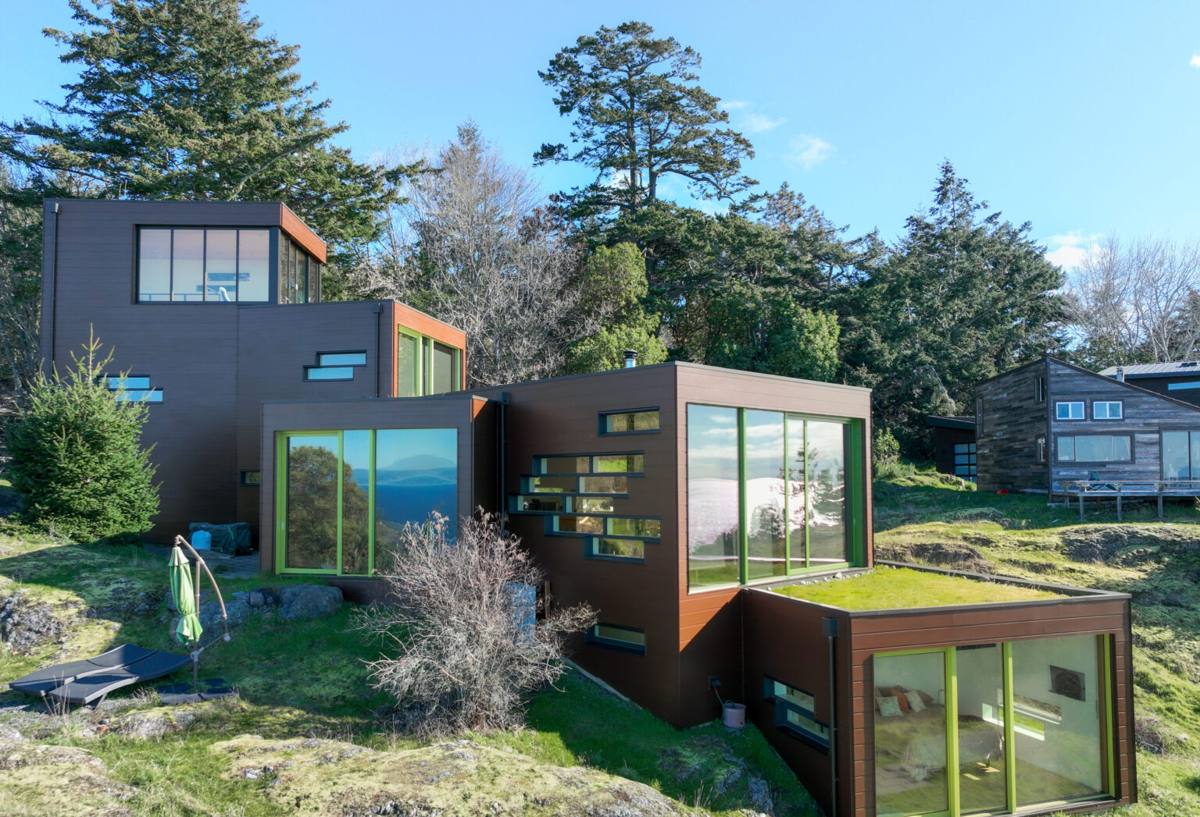
What Correct Siding Installation Actually Involves
Siding is a system, not a single product nailed to the wall. A correct installation on an Acme-area home means every layer behind the visible cladding is doing its job:
The Water Management Layer
Underneath the siding, a properly lapped weather-resistive barrier and flashing at every window, door, and penetration is what actually keeps bulk water out of the wall assembly. Siding itself is the second line of defense, not the first. Skip or shortcut the flashing details and no amount of premium cladding will save the wall from rot.
The Drainage Gap
In a climate that stays damp as long as ours does, siding that sits flush against the weather barrier traps moisture instead of shedding it. A ventilated rainscreen gap lets incidental water drain and lets the wall assembly dry out between storms instead of staying wet for weeks at a time — which is exactly the condition moss and mildew need to take hold.
Fastening and Clearances
Fiber cement has specific nailing patterns, fastener spacing, and minimum clearances from grade, roofing, and decks that manufacturers publish for a reason. Installers who don't follow them void warranty coverage and create the gaps and stress points where water finds its way in first.
Why We Install Only James Hardie Fiber Cement
We don't offer vinyl, LP SmartSide, Cemplank, Allura, or primed wood siding — not because there's no market for them, but because after years of installing and repairing siding in this climate, James Hardie fiber cement is the only product we're willing to put our name behind for a full exterior.
Hardie's ColorPlus factory-applied finish is baked on under controlled conditions, which gives it more consistent coverage and better fade resistance than field-applied paint, and it holds up to the UV and moisture cycling that Pacific Northwest exteriors go through year after year. The boards are engineered specifically for climate: our region calls for Hardie's HZ5 product line, formulated for areas with more moisture exposure and freeze-thaw cycling, as opposed to the HZ10 line built for hot, humid southern climates. That distinction matters — it's the difference between a product designed for this weather and one that merely tolerates it.
Fiber cement is also non-combustible, which is a real consideration anywhere near dry summer conditions and wildfire smoke seasons, and it doesn't feed moss and mildew the way wood-based products can once moisture gets into the surface. Backed by a strong transferable warranty when installed to spec, it's the product we're comfortable standing behind for the long haul — not just at handoff.
How Siding Materials Compare in This Climate
| Material | Moisture Behavior | Maintenance | Typical Lifespan |
|---|---|---|---|
| James Hardie fiber cement | Dimensionally stable; resists swelling and warping | Occasional wash; factory finish resists fading | Multiple decades with correct install |
| Vinyl | Sheds bulk water but seams and panels flex, gap, and can let water track behind over time | Low, but cracks and fades; hard to repair invisibly | Shorter in high-UV/impact conditions |
| LP SmartSide / primed wood | Engineered wood core is vulnerable if any cut edge or seam goes unsealed | Requires diligent caulk and paint upkeep | Depends heavily on maintenance follow-through |
| Cedar | Natural material; absorbs and releases moisture, prone to cupping and rot without upkeep | High — refinishing, sealing, moss treatment | Variable; shortest without consistent care |
This isn't a claim that other products are junk — vinyl and wood siding both have honest strengths, including upfront cost and a familiar look. The trade-off is what happens ten and twenty years in, under this county's rain and shade, and that's the trade-off we're not willing to install around.
Our Installation Process for Acme Homes
- Walkthrough and assessment — we look at the existing wall assembly, siding condition, trim, and any moisture or rot already present before quoting anything.
- Removal and inspection — old siding comes off and sheathing gets checked for hidden damage, which is common on homes that have carried wood or vinyl siding through several wet seasons.
- Repair and prep — any compromised sheathing or framing gets addressed before a single new panel goes up. Covering damage instead of fixing it just relocates the problem.
- Weather-resistive barrier and flashing — properly lapped and detailed at every window, door, and penetration.
- Rainscreen and installation — Hardie panels or lap siding installed to manufacturer fastening specs, with correct clearances from grade, decks, and roof lines.
- Trim, caulking, and finish detail — the parts that determine whether the job looks clean and sheds water correctly for decades, not just on install day.
- Final walkthrough — we go over the finished work with the homeowner before calling the job done.
Signs an Acme-Area Home Needs New Siding
- Soft or spongy spots when you press on the siding, especially near the bottom courses or under downspouts
- Persistent moss or dark streaking that comes back within weeks of cleaning
- Visible warping, cupping, or gaps between boards or panels
- Paint that's peeling or bubbling rather than just fading
- Rising heating bills that don't match any other change to the home
- Siding that's original to a home built more than 20-25 years ago, especially wood-based or early-generation vinyl
Any one of these is worth a look. Several together usually mean water has been getting behind the siding longer than it's been visible from the outside.
What Drives Cost on an Installation
Every home is different, but the same handful of factors move the price on most Acme-area jobs:
| Factor | Why It Matters |
|---|---|
| Home size and wall complexity | More corners, gables, and trim detail mean more labor and cut waste |
| Existing siding removal | Tear-off and disposal of old material adds time versus a clean substrate |
| Sheathing or framing repair | Hidden rot found during removal has to be fixed before new siding goes on |
| Siding profile and accessories | Lap, panel, and shingle-style Hardie products carry different material and labor costs |
| Access and site conditions | Tree cover, slope, and tight lot access affect scaffolding and staging time |
We give homeowners a real number after seeing the home, not a phone estimate — too much of what drives cost only shows up once the old siding comes off.
Why a Crew That Already Works Acme Matters
A crew that's used to working this pocket of Whatcom County already knows what to check for before it becomes a surprise mid-project: how tree-shaded walls hold moisture longer than sun-exposed ones, which orientations take the worst of the driving rain, and how a wall assembly that's been damp for years actually behaves once you open it up. That's not something a crew coming from a drier region necessarily anticipates on day one — and on a siding job, the surprises that cost time and money are almost always hiding behind the old material, not in front of it.
It also means we're around after the install. A siding job isn't finished the day the last panel goes up — it's proven over the wet seasons that follow, and having a local crew that stands behind its own flashing and fastening work is worth more than a low bid from someone passing through.
Get a Straight Answer on Your Siding
If your Acme-area home is showing any of the signs above, or you're just planning ahead before the next wet season, we're happy to take a look and give you an honest read on what your siding actually needs — no pressure, no upsell. Reach out for a free estimate using the form below.