 Sudden Valley
 Windows in Happy Valley Face a Different Kind of Wear
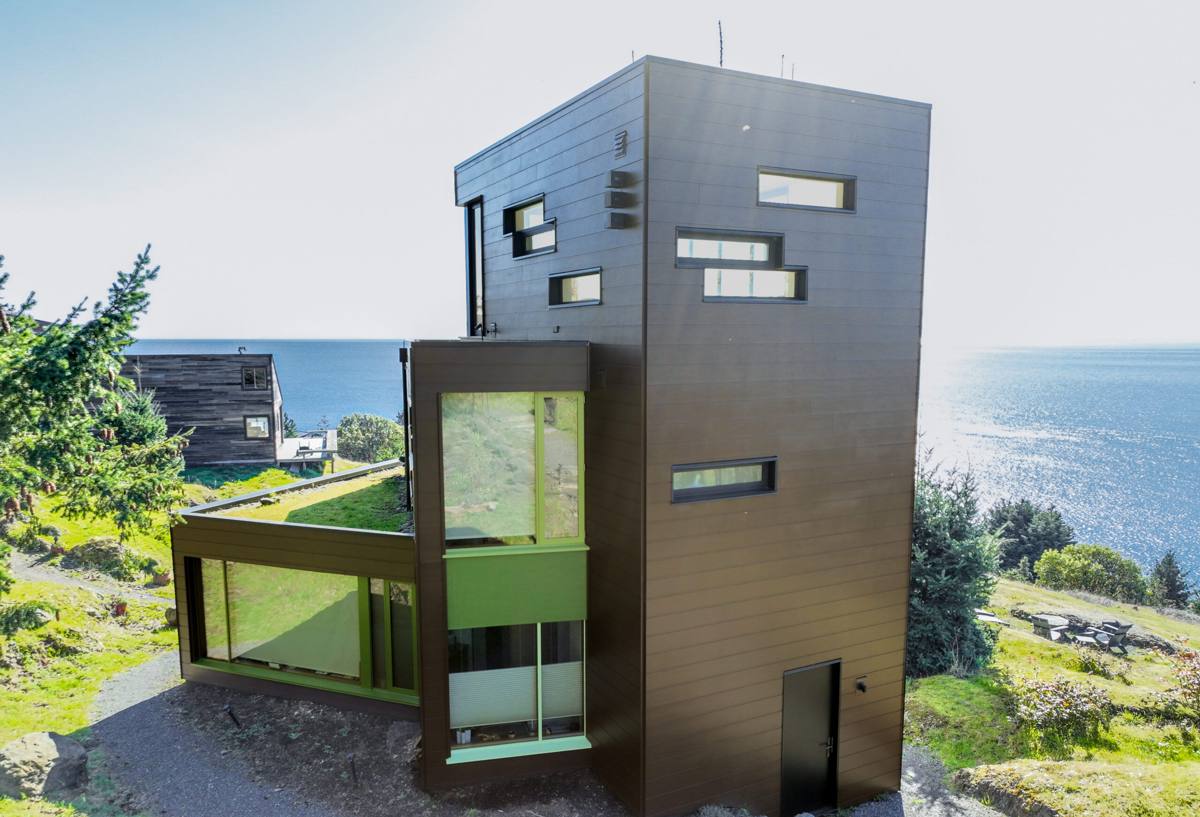
Happy Valley sits inside the broader Sudden Valley community in Whatcom County, tucked along Lake Whatcom's north shore. That location is beautiful, but it's also demanding on a home's exterior. Homes here deal with a combination that a lot of window manufacturers don't design for out of the box: salt-tinged marine air moving in off the Puget Sound corridor, long stretches of driving, wind-blown rain, and a moss season that can run from fall through spring. Add tree cover from the surrounding forest, and you get windows that stay damp longer than they would in a drier climate, with sash tracks and sills that collect organic debris instead of drying out between rain events.
None of that is a reason to panic about your windows. It is a reason to be specific about how they're installed, flashed, and sealed. A window that would perform fine in eastern Washington can fail early here if it's put in with shortcuts that don't account for sustained moisture exposure. That's the gap we work to close on every Happy Valley job.
How the Local Climate Actually Damages Windows
Moisture Intrusion, Not Just Moisture Exposure
Rain hitting glass isn't the problem — rain finding its way behind the window frame and into the wall cavity is. In Whatcom County's wetter months, wind-driven rain gets pushed sideways against west- and south-facing walls, testing every seam around a window opening. If the flashing, house wrap integration, or sealant was done wrong (or has simply aged out), water works its way in slowly, often for years before anyone sees a stain or feels a soft spot on the interior trim.
Moss, Algae, and Trapped Damp
Tree-shaded lots and prolonged dampness are ideal conditions for moss and algae growth on sills, cladding, and window trim. Beyond the cosmetic issue, moss holds moisture directly against wood trim and painted surfaces, which accelerates rot in a way that a sunnier, drier lot wouldn't experience nearly as fast.
Salt Air and Hardware Fatigue
Homes closer to the water — including many around the lake and toward the Sound-influenced weather patterns — see faster corrosion on window hardware: hinges, cranks, locks, and screen frames. Aluminum and lower-grade steel components can pit and stiffen years before the glass unit itself fails.
Condensation and Fogging
Older insulated glass units lose their seal over time, and that process is often sped up by constant humidity swings. Fogging between panes is one of the most common reasons Happy Valley homeowners call us — it's a sign the sealed unit has failed, not something that can be cleaned away.
Signs a Happy Valley Home Needs Window Replacement
- Fogging or moisture trapped between the panes of a double-pane window
- Sashes that stick, won't stay open, or are hard to lock — often from swollen frames or corroded hardware
- Soft, spongy, or visibly rotted wood at the sill, jamb, or exterior trim
- Persistent moss or dark staining around the window perimeter that keeps coming back after cleaning
- Noticeable draft or cold spot near the window even when it's fully closed
- Visible daylight or gaps around the frame from outside
- Rising heating bills without another clear explanation
- Peeling or bubbling interior paint near the window, a sign moisture is getting past the frame
What a Correct Window Replacement Involves Here
Window replacement isn't just popping out an old unit and setting a new one in the same hole. In a climate like ours, the details around the window matter as much as the window itself.
Full Assessment of the Opening
Before anything is ordered, we check the condition of the rough opening, sill, and surrounding framing. If there's hidden rot from years of moisture intrusion, that gets addressed before a new window goes in — installing a new window into a compromised opening just resets the clock on the same problem.
Flashing and Weather Barrier Integration
This is where most water problems start or get solved. Proper flashing — sill pan, jamb flashing, and head flashing — needs to integrate correctly with the existing house wrap or weather-resistive barrier so water is directed out and down, never trapped behind the window.
Sealant and Insulation, Done Right
Gaps around the frame get insulated (not overpacked, which can bow the frame) and sealed with exterior-grade sealant rated for our wet/dry cycling. Interior air sealing matters too, for both comfort and condensation control.
Correct Product Selection for Exposure
Not every wall of a house needs the same window spec. A west-facing wall that takes direct driving rain may warrant a different sealant detail or frame material consideration than a sheltered, tree-covered elevation. We factor in each opening's actual exposure, not just a one-size-fits-all spec sheet.
Choosing the Right Window Material for This Climate
| Frame Material | How It Handles Local Conditions | Maintenance Reality |
|---|---|---|
| Vinyl | Good moisture resistance, won't rot; performance depends heavily on installation quality | Low — occasional cleaning, no painting |
| Fiberglass | Very stable in wet/dry cycling, holds up well to sustained damp exposure | Low — durable finish, minimal upkeep |
| Aluminum | Prone to corrosion and condensation in marine-influenced air unless thermally broken | Moderate — watch hardware and corrosion over time |
| Wood (unclad) | Classic look but highest risk in a moss-prone, high-moisture area without diligent upkeep | High — regular painting/sealing required |
| Wood-clad (vinyl or fiberglass exterior) | Wood interior warmth with a weather-resistant exterior shell | Moderate — exterior low-maintenance, interior finish still needs care |
We don't push one material on every home. The right call depends on your home's exposure, existing trim details, and budget — we'll walk through the honest trade-offs for your specific openings rather than a blanket recommendation.
Our Process for Happy Valley Window Replacement
- On-site assessment — we inspect each window opening, note exposure direction, existing damage, and framing condition
- Honest scope and quote — you get a clear picture of what's replacement-only versus what needs minor repair first, with pricing that reflects the actual work, not a generic per-window rate
- Product selection — we go over material and glass options suited to that specific wall's exposure
- Removal and opening prep — old units come out carefully, and we address any rot or flashing issues found underneath before installing anything new
- Installation with proper flashing and sealing — sill pan, jamb and head flashing, insulation, and sealant done to hold up through our wet season
- Final check and cleanup — operation, seal, and finish work are all verified before we consider the job done
What Window Replacement Typically Costs
Costs vary a lot based on window size, material, glass package, and whether the opening needs repair before the new window goes in. As a general range, straightforward vinyl replacements often run in the low-to-mid hundreds per window installed, while larger openings, fiberglass units, or jobs requiring rot repair or flashing rework will run higher. We won't know your real number until we've looked at your actual openings — broad ranges from a website are a starting point for budgeting, not a quote.
Cost Factors Worth Knowing
- Number and size of windows being replaced
- Frame material chosen (vinyl, fiberglass, aluminum, wood-clad)
- Glass package — standard double-pane versus upgraded low-E or gas-fill options
- Condition of the existing opening — hidden rot or flashing failures add labor
- Whether trim or siding around the window needs to be reworked to integrate properly
- Access and site conditions specific to your lot
Why a Crew That Already Works This Area Matters
Sudden Valley and Happy Valley have their own microclimate quirks compared to more open, drier parts of Whatcom County — shade patterns, wind exposure off the lake, and moisture retention under tree cover all vary block to block. A crew that already works this specific area has seen how these conditions actually play out on real homes: which elevations take the worst weather, where moss builds up fastest, and what installation details hold up versus what fails early. That local pattern recognition is hard to get from a crew that only passes through once. It also means faster response if a warranty question or minor issue comes up after the install — we're not driving in from across the region.
Get a Local, No-Pressure Estimate
If your windows in Happy Valley are fogging, sticking, drafty, or showing rot around the frame, it's worth having a local crew take a look before the next wet season sets in. We'll walk your home, give you a straight assessment of what each opening actually needs, and provide a free estimate — no pressure, no upsell script, just an honest read on your windows and what it would take to fix them right.