 Sudden Valley
 Building a Deck That Actually Holds Up in Sunnyland
Sunnyland homes in Sudden Valley sit in a part of Whatcom County where the weather doesn't do a deck any favors. Long stretches of driving rain, damp marine air moving through the region, and a moss season that can run from fall clear into spring all put steady pressure on any outdoor structure. A deck built the way it might be built in a drier climate — minimal flashing, standard fasteners, boards laid tight with no thought to drainage — tends to show its age fast here: soft spots at the ledger, black streaking on the boards, moss creeping into every joint by the second winter.
A deck built correctly for this area is a different animal. It sheds water instead of holding it, resists moss instead of feeding it, and is fastened and flashed in ways that account for wood and composite both expanding and staying wet longer than they would somewhere sunnier. This page is about what that looks like specifically for a deck in Sunnyland — the materials, the build details, and the maintenance that actually matter here.
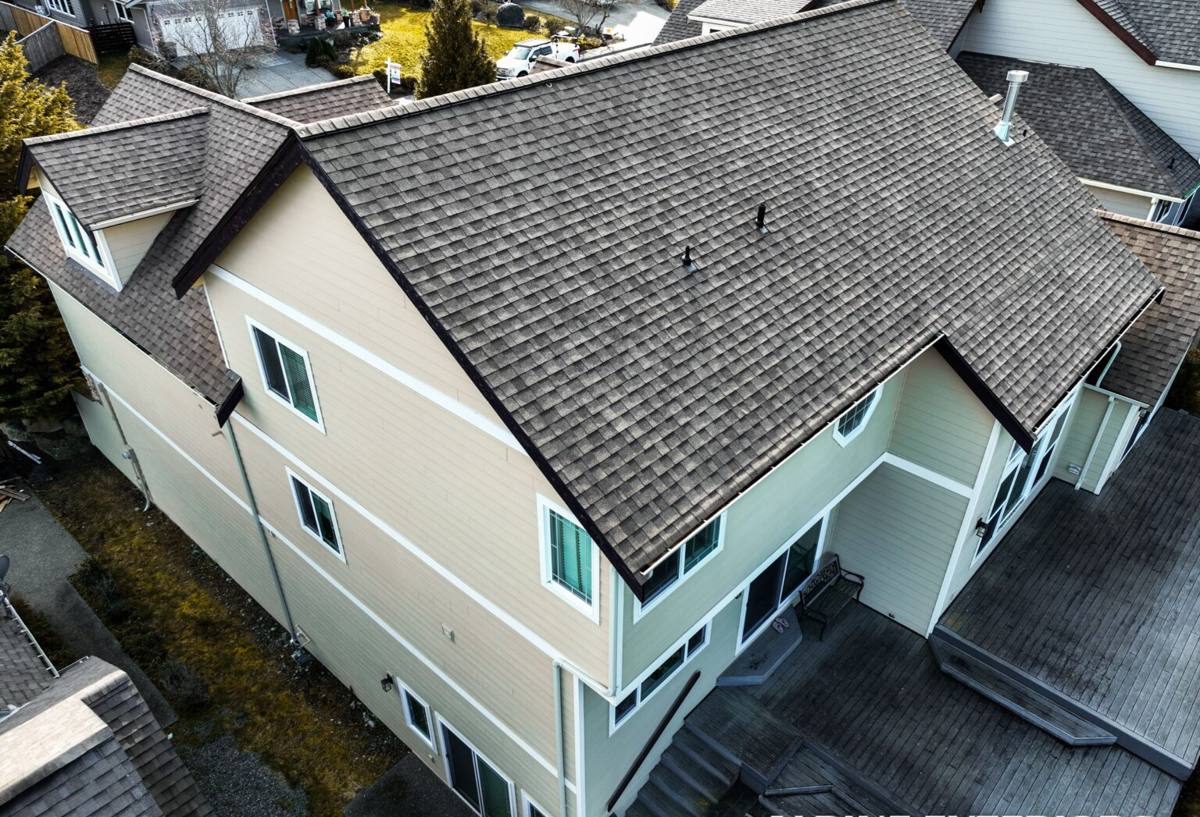
What Sunnyland Decks Are Up Against
Whatcom County's climate isn't extreme in temperature, but it's relentless in moisture. That's the real enemy for a deck, not cold or heat. A few specific things show up again and again on decks we look at in this area:
- Ledger boards and rim joists that stay damp for days after a storm because there's no gap or flashing to let water escape
- Moss and algae taking hold on shaded boards, especially under tree cover or on the north side of a house, within the first year or two
- Fasteners that were fine when installed but start bleeding rust streaks once the coating breaks down from constant wet-dry cycling
- Standing water on decking boards that were installed flat with no slope, which speeds up rot and makes the moss problem worse
- Salt-tinged air off the Sound working its way inland and slowly corroding lower-grade hardware over years
None of these are dramatic failures on day one. They're slow problems that show up two, five, or ten years in — which is exactly why the build quality matters more here than in a drier climate. A shortcut that would be invisible in Arizona shows up as a stain, a soft board, or a rusted screw head in Sudden Valley.
Material Choices That Make Sense for This Climate
There's no single "best" decking material — it depends on budget, maintenance appetite, and how much moss and moisture exposure the site actually gets. Here's how the common options stack up for a Whatcom County deck specifically.
| Material | Moisture/Moss Behavior | Maintenance | Typical Lifespan Here |
|---|---|---|---|
| Pressure-treated pine | Absorbs water readily; needs sealing to resist moss and checking | Annual cleaning and re-sealing recommended | 15–20 years with upkeep |
| Cedar | Naturally moss- and rot-resistant, but the resistance fades as the surface weathers | Periodic cleaning, oiling every 1–2 years | 20–25 years with upkeep |
| Capped composite | Doesn't absorb water; still needs surface cleaning where moss spores land | Occasional wash, no sealing or staining | 25–30+ years, manufacturer-warrantied |
| Uncapped/first-gen composite | Can absorb moisture at the core over time in a wet climate | Low, but moisture issues are harder to spot until advanced | Variable — we're selective about this category |
We lean toward cedar or capped composite for most Sunnyland projects because both handle the region's wet-dry cycling well when detailed correctly. Pressure-treated wood is still a sound, budget-friendly choice — it just asks more of the homeowner in upkeep. We're honest with clients about that trade-off up front rather than letting them find out the hard way in year three.
A Note on Older Composite Products
Some first-generation composite decking from years back had a reputation for taking on moisture at the core in climates like ours, which led to swelling and mold that wasn't visible from the surface. Manufacturers have largely solved this with fully capped boards, but it's part of why we ask what product and what generation is already on a deck before recommending a repair versus a replacement.
The Build Details Most Homeowners Never See
A deck that lasts in this climate is won or lost in details that aren't visible once the project is finished. These are the ones we treat as non-negotiable:
Ledger Attachment and Flashing
The ledger board — where the deck attaches to the house — is the single most common failure point on decks in wet climates. It needs proper flashing that directs water away from the house framing, not just caulk over the top. We also leave a gap or use a specialized ledger tape so moisture doesn't get trapped between the ledger and the house rim joist.
Joist Protection
Every cut end and top edge of a joist is a place water can soak in and start rot from the inside out. Taping joists before decking goes down is a small step that adds meaningful years to the structure underneath — the part you can't see once the boards are on.
Fastener Selection
Standard exterior screws corrode faster than most homeowners expect in a marine-influenced climate. We use fasteners rated for the coastal and high-moisture conditions common to Whatcom County, and we match hidden-fastener systems to the specific composite or wood species being installed so the boards aren't fighting the hardware.
Drainage and Airflow Underneath
A deck built low to the ground with no airflow underneath stays damp longer after every rain, which speeds up both rot and moss growth on the underside of the boards. Where the site allows it, we build in enough clearance and, on lower decks, consider under-deck drainage systems that also keep the space below usable and dry.
Our Process for a Sunnyland Deck Project
- On-site assessment — we look at drainage, sun/shade exposure, tree cover, and the condition of anything being replaced
- Material and layout discussion — honest trade-offs between wood and composite options for the specific site, budget, and maintenance preference
- Design and permitting — structural plan sized to the deck's height and use, submitted through the appropriate Whatcom County process
- Demolition and disposal of the old structure, if applicable, with the site left clean and ready to build
- Framing — footings, ledger flashing, joists, and joist tape installed to the standards above
- Decking, railing, and stairs installed with attention to board spacing and slope for drainage
- Final walkthrough so you understand what was done and what upkeep, if any, the material needs going forward
We don't treat any of these steps as optional shortcuts, even on smaller decks. The framing and flashing steps are the ones that determine whether a deck is still solid in ten years, and they're also the ones that are easiest to skip if a crew is rushing.
Permits and Structural Considerations in Whatcom County
Most new decks and many deck replacements in unincorporated Whatcom County — which includes Sudden Valley — require a building permit, particularly once the deck is attached to the house or elevated above a certain height. Requirements can also involve setback rules tied to the property and, depending on the lot, any homeowners' association guidelines specific to Sudden Valley. We handle the permitting process as part of the job rather than leaving it to the homeowner, and we won't build a structural deck without the proper permit — it protects you at resale and, more importantly, means the structure was actually inspected.
Keeping a Sunnyland Deck in Good Shape Year-Round
Even a well-built deck needs some seasonal attention in this climate. The good news is that most of it is straightforward if it's kept up with instead of ignored for years at a time.
- Sweep leaves and debris off the deck regularly in fall — trapped organic matter is what moss and algae actually feed on
- Rinse or gently wash the surface a couple of times a year, more often in shaded areas prone to moss
- Check that gaps between boards haven't filled with debris, which blocks drainage and traps moisture against the wood
- Inspect the ledger board area annually for any staining, softness, or gaps in the flashing
- Re-seal or re-stain wood decking on the schedule appropriate to the species — don't wait until it's visibly gray and dry
- Look underneath the deck once a year for standing water, sagging, or fastener corrosion
Signs an Existing Deck Needs Attention
If you already have a deck in Sunnyland, a few warning signs are worth taking seriously rather than waiting on:
- Soft or spongy spots underfoot, especially near the house or around post bases
- Persistent moss or black streaking that comes back within weeks of cleaning
- Visible gaps or cracking at the ledger flashing
- Rust staining around fastener heads
- Railings or stairs that feel less rigid than they used to
Some of these are simple repairs. Others point to structural issues at the framing level that are worth a proper inspection before they get more expensive to fix.
Why It Matters That We Already Work in Sudden Valley
A deck built for a dry climate and a deck built for Whatcom County shouldn't look the same on paper, even if the finished product looks similar from the yard. Knowing how moss actually behaves on a shaded Sunnyland lot, how much standing water a given slope will hold after a heavy rain, and which fasteners hold up under years of damp marine air isn't something you get from a general contracting background — it comes from building and repairing decks in this specific area, season after season. That's the difference between a deck that needs real attention in year three and one that's still solid at year twenty.
If you're planning a new deck or want an honest look at one you already have in Sunnyland or elsewhere in Sudden Valley, we're happy to come take a look. There's no pressure and no obligation — just a straight assessment of what your project actually needs. Use the form below to request a free estimate.