 Sudden Valley
 Window Installation Built for Columbia's Corner of Sudden Valley
Columbia is one of the older established pockets of Sudden Valley, and a lot of the homes here are reaching the age where original or first-replacement windows are past their useful life. When we're called out to a Columbia home, we're usually looking at one of two problems: windows that were installed correctly decades ago but have simply worn out, or windows that were installed without the flashing and moisture detailing that Whatcom County's climate actually demands. Both problems get fixed the same way — by doing the installation right this time, not just swapping glass for glass.
Window installation is not a job where speed pays off. A window that looks fine on move-in day can be routing water straight into the wall cavity within a year if the flashing sequence was skipped or done out of order. That's the difference we focus on for every Columbia project: the window itself is only part of the job. The other part — the part nobody sees once the trim goes back on — is what determines whether that window is still performing in fifteen years.
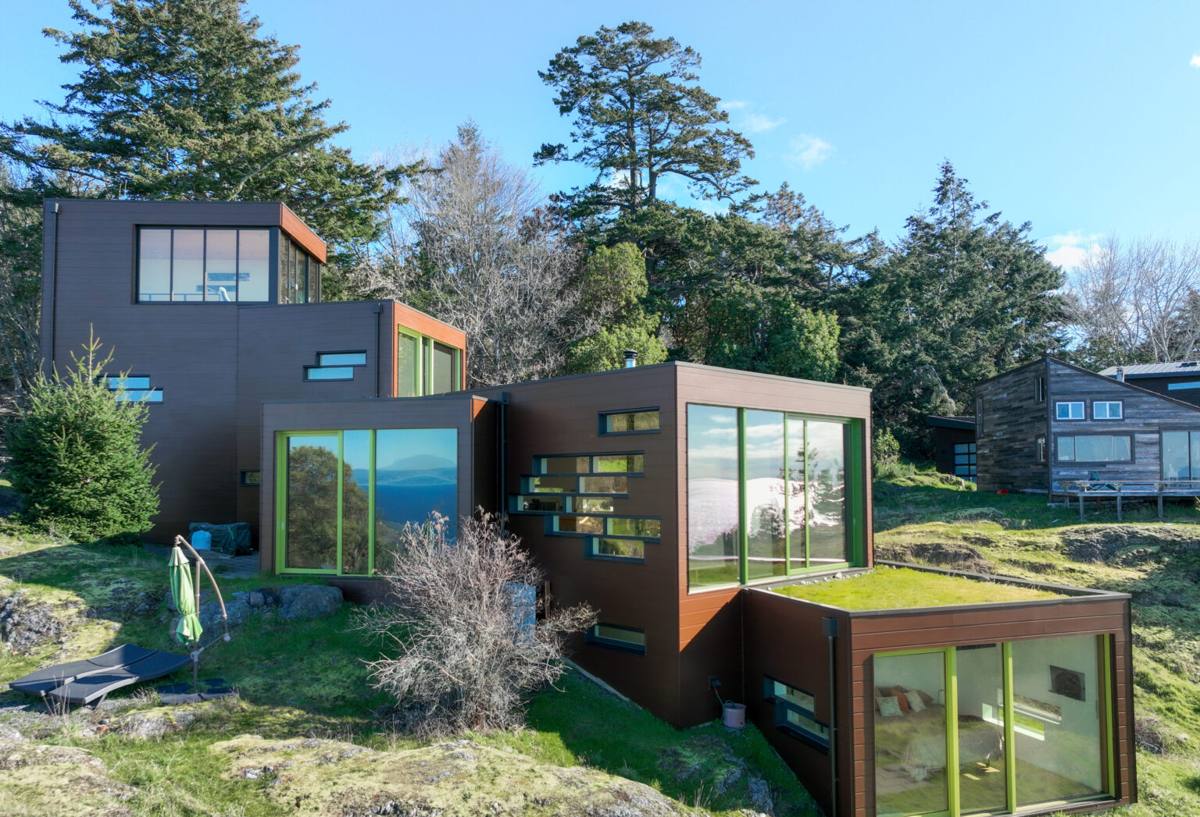
Why the Local Climate Changes How Windows Should Be Installed
Sudden Valley sits in a part of Whatcom County that sees a long, wet fall-through-spring stretch, driving rain that comes in sideways during winter storms, and a moss season that can run most of the year on shaded, north-facing walls. Add in the salt-tinged air that moves through this part of western Washington, and you've got a combination that's tough on any exterior opening in a wall — windows included.
None of that is a reason to avoid window replacement. It's a reason to make sure the installation accounts for it. Here's what that means in practice for a Columbia home:
- Driving rain pushes water sideways and upward under sills, which is why sill pans and proper head flashing matter more here than they would in a drier climate.
- Sustained moisture and humidity mean any gap in the weather-resistive barrier around a window opening has more time and more water pressure to exploit before it dries out.
- Moss and algae growth on siding and trim can hold moisture against a window frame far longer than clean, dry material would, accelerating rot at the corners if the original installation left end grain exposed.
- Salt-influenced air is harder on certain metal components — fasteners, flashing, and hardware — which affects what materials we spec for a given wall.
A window that's rated for a dry climate can still fail early here if it's installed as if the weather were mild and predictable. It isn't, and the installation has to reflect that.
Signs a Columbia Home's Windows Need Attention
Homeowners usually notice one of these before they call anyone:
- Fogging or a persistent haze between panes on double- or triple-pane units — the seal has failed and the gas fill is gone.
- Soft or discolored trim and siding immediately around the window frame, especially at the bottom corners.
- Windows that are noticeably harder to open, close, or lock than they used to be.
- A draft you can feel standing next to the window on a windy day, even with it fully latched.
- Visible daylight or gaps between the window frame and the surrounding trim.
- A musty smell in the room that wasn't there before, which often points to moisture getting into the wall cavity rather than just the glass unit failing.
Any one of these is worth a look. Several together usually mean the original installation, not just the window unit, is part of the problem.
What a Correct Window Installation Actually Involves
The window itself gets most of the attention in a sales conversation, but the installation sequence is what actually determines performance. For a proper replacement or new-construction window install, the order matters:
- The old window and any damaged sill or framing material is removed and the rough opening is inspected for rot, insect damage, or prior water intrusion before anything new goes in.
- A sloped sill pan is installed at the bottom of the opening so any water that does get past the window has somewhere to drain — outward, not into the wall.
- Self-adhered flashing membrane is applied at the sides and integrated with the weather-resistive barrier in the correct shingle-lap order: sill, then jambs, then head, so water always sheds downward and outward over each layer.
- The window is set, shimmed level and square, and fastened according to the manufacturer's specification — not just "close enough."
- The head flashing is installed last, lapping over the housewrap above it, and the whole assembly is checked for square, level, and even reveal before trim goes back on.
- Interior and exterior sealant is applied only where it belongs — sealing the wrong gap can trap moisture instead of keeping it out.
Common Installation Mistakes We See in Older Sudden Valley Homes
The most frequent issue we find when we open up an older window opening is flashing installed out of sequence — head flashing tucked under the siding but never lapped over the housewrap, or no sill pan at all, just caulk relied on to do a flashing membrane's job. Caulk is a maintenance item, not a waterproofing system, and in a climate with this much sustained rainfall, that shortcut tends to show up as rot within five to ten years rather than twenty or more.
Materials and Styles That Hold Up in This Climate
There's no single "best" window material — it depends on the wall, the exposure, and the homeowner's maintenance preference. Here's how the common options compare for a Whatcom County home:
| Material | Moisture Resistance | Maintenance | Typical Fit for Columbia Homes |
|---|---|---|---|
| Vinyl | Very good — won't rot, resists moisture well | Low — occasional cleaning | Solid all-around choice for most walls and exposures |
| Fiberglass | Excellent — very stable in wet, temperature-swinging conditions | Low | Strong option for higher-exposure walls or larger openings |
| Wood-clad | Good if detailed correctly, but the wood core is vulnerable if flashing fails | Higher — finish and seals need periodic attention | Best reserved for homes where the look is a priority and upkeep is expected |
| Aluminum | Fair — prone to condensation and thermal transfer in our wet, cool climate | Moderate | Rarely our first recommendation for residential replacement here |
Whatever material a homeowner chooses, we're honest about the trade-offs rather than pushing one option because it's easier to sell. A wood-clad window can be the right call for the right wall — it just needs an owner who understands the upkeep involved and flashing detail work that leaves no margin for error.
Our Process for a Columbia Window Installation Project
We keep the process straightforward:
- On-site assessment — we look at the existing windows, the wall assembly where accessible, and any signs of past water intrusion before quoting anything.
- Honest scope and estimate — if we find rot or flashing problems during the assessment, we tell you before the work starts, not after we've opened the wall.
- Removal and opening inspection — old windows come out, and we check the rough opening condition before anything new is installed.
- Correct flashing and installation sequence — sill pan, jamb flashing, window set, head flashing, in that order, every time.
- Final check and walkthrough — we confirm operation, seal, and finish with you before calling the job done.
Cost Factors for Window Installation in the Sudden Valley Area
Pricing depends on several variables, and any contractor who quotes a whole-house number without seeing the windows first is guessing. The main factors:
| Factor | Why It Affects Cost |
|---|---|
| Number and size of openings | More and larger windows mean more material and labor time |
| Condition of the existing rough opening | Rot or water damage found during removal adds repair work before the new window goes in |
| Window material and glass package | Vinyl, fiberglass, and wood-clad carry different material costs, as does upgraded glass for noise or heat performance |
| Full-frame vs. insert replacement | Insert replacement reuses the existing frame; full-frame replacement resets the flashing and is more involved but often necessary if the original detailing was poor |
| Access and site conditions | Second-story openings, tight side yards, or landscaping in the way can add setup time |
We'd rather give a homeowner a range with the reasoning behind it than a flat number that doesn't hold up once we open the wall. Broad ballparks are useful for planning, but a firm number always comes after we've actually looked at the openings.
Why It Matters to Hire a Crew That Already Works in Columbia
Window installation done wrong doesn't usually fail on day one — it fails in year three or four, after the caulk has cracked and a winter's worth of driving rain has found the gap. That delayed failure is exactly why the installation sequence matters more than the window brand, and it's why local experience counts for something real, not just marketing. A crew that regularly works Columbia and the rest of Sudden Valley has already seen how this specific area's exposure, tree cover, and rainfall pattern affect window openings over time. That's knowledge you can't get from a product catalog — it comes from opening up enough old installations to know what tends to go wrong and how to detail around it.
We're not interested in the fastest install — we're interested in the one that's still performing well after the next decade of Whatcom County winters.
Questions Worth Asking Before You Hire
- Will you install a sill pan and sequence the flashing with the housewrap, or rely mainly on caulk?
- Do you inspect the rough opening for rot before installing the new window, and what happens if you find damage?
- What's the difference between a full-frame and an insert replacement for my specific windows, and which do you recommend here?
- What warranty covers the installation labor itself, separate from the manufacturer's product warranty?
- Can you walk me through the exact installation sequence you'll use on my house?
If your Columbia home's windows are drafty, fogged, hard to operate, or you're just not confident the last installation was done right, we're happy to take a look. There's no pressure and no cost to get an honest read on what your windows need — use the form below to request a free estimate.