 Sudden Valley
 Windows Built for the Acme Side of Sudden Valley
Homes in the Acme area near Sudden Valley sit in a stretch of Whatcom County where the weather doesn't do anything in half measures. You get long stretches of driving rain off the water, salt-laden air that works its way into hardware and finishes, and a moss season that seems to run longer every year. Windows here take a beating that windows in drier parts of the state never see. When a window is sized, flashed, or sealed wrong, this climate finds the mistake fast — usually inside a wall cavity where you can't see it until the damage is done.
We install custom windows for homes in this area on a regular basis, and most of the calls we get aren't about broken glass. They're about windows that fog between the panes, frames that have gone soft at the bottom corners, or rooms that feel drafty no matter what the thermostat says. Almost all of that traces back to how the window was installed, not just what window was bought.
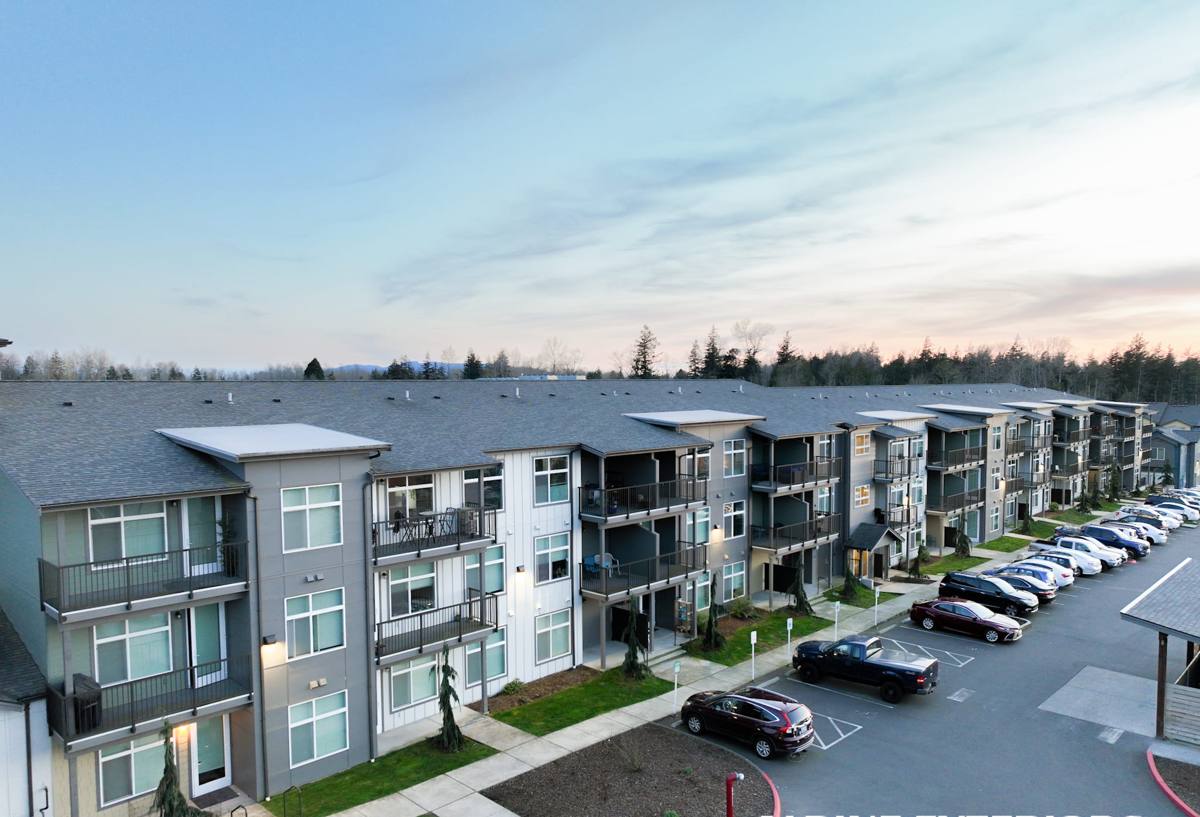
What This Climate Actually Does to a Window
Driving Rain and Wind-Driven Moisture
Rain in this part of Whatcom County rarely falls straight down. Wind off the water pushes it sideways, which means it hits window flanges and trim at an angle most manufacturers don't fully account for in their standard installation instructions. A window that would be fine with a basic install in a calmer climate can leak here within a year or two if the flashing sequence isn't built to shed water sideways, not just downward.
Salt Air and Hardware Corrosion
Salt-laden air doesn't just affect homes right on the waterfront — it travels inland further than most homeowners expect, especially with the wind patterns around Sudden Valley. Over time it attacks unprotected fasteners, low-grade hardware, and aluminum components that aren't rated for coastal exposure. We see this most often on older windows with builder-grade hardware: locks that seize, cranks that strip, and screws that rust and stain the surrounding trim.
Moss, Algae, and Prolonged Dampness
A long moss season means extended periods where wood trim, sills, and the area right around a window stay damp instead of drying out between rains. That prolonged moisture is what actually causes rot — not any single storm. Wood windows and wood trim that aren't detailed and finished correctly will show soft spots at the sill and lower corners well before the glass or hardware ever fails.
What a Correct Custom Window Job Involves
"Custom" doesn't just mean a non-standard size. It means the window and the installation are matched to the specific wall, orientation, and exposure of that opening on that house. On a home in the Acme area, that typically includes:
- Accurate field measurement of each opening — older homes here are rarely perfectly square, and a window built to the actual opening seals better than one forced to fit
- A flashing sequence built to shed wind-driven rain, with attention to the sill pan and side flanges, not just the top
- Sealants and flashing tapes rated for our temperature swings and UV exposure, so they stay flexible instead of cracking
- Corrosion-resistant fasteners and hardware suited to salt-influenced air, especially on sides of the house facing prevailing weather
- Correct shimming and squaring so the sash operates smoothly and the seal stays even around the full frame
- Insulation detail around the rough opening — gaps here are a common source of drafts and condensation that homeowners mistake for a "bad window"
Skip any one of these and the window can look fine for a year or two while the real problem develops behind the trim.
Choosing the Right Window for an Acme-Area Home
Frame Material Trade-Offs
Vinyl, fiberglass, and wood-clad windows all perform differently once salt air and constant moisture are part of the equation. Vinyl handles moisture well and needs little upkeep, but lower-grade vinyl can warp with big temperature swings and UV exposure over many years. Fiberglass holds up strongly against both moisture and temperature movement, generally at a higher upfront cost. Wood and wood-clad windows offer a look a lot of homeowners want, but the exposed wood components need consistent upkeep in a climate with this much sustained dampness — we're honest with clients about that maintenance burden before they commit to it, not after.
Glass Package
Double-pane, low-E glass is the practical standard for this area. It cuts down on heat loss in winter and glare in summer, and a quality gas fill and warm-edge spacer help prevent the interior condensation that shows up on older single-pane or poorly sealed units during our cold, damp mornings.
| Factor | What to Consider Locally |
|---|---|
| Frame material | Weigh moisture resistance against maintenance — wood-clad looks great but demands upkeep in this climate |
| Hardware finish | Corrosion-resistant hardware matters more here than in drier inland areas |
| Flashing detail | Must handle wind-driven, sideways rain, not just vertical runoff |
| Sill design | A proper sill pan reduces the risk of hidden rot from prolonged dampness |
| Glass package | Low-E, gas-filled double pane is the practical baseline for this area's temperature swings |
| Orientation | Sides facing prevailing wind and rain need more attention to sealant and flashing |
Our Process for Acme-Area Window Jobs
1. On-Site Assessment
We look at each opening individually — the exposure, the condition of the existing trim and sheathing, and any signs of past moisture intrusion. This is also when we flag anything that needs repair before a new window goes in, since installing over hidden rot just hides the problem for a while.
2. Measuring and Ordering
Custom units are measured to the actual opening, not a catalog size. We review frame material, glass package, and hardware options with the homeowner and explain the honest trade-offs for their specific situation and budget.
3. Removal and Opening Prep
Old windows come out carefully to protect interior finishes and existing siding. We inspect the sheathing and framing underneath and address any rot or moisture damage before the new window goes in — this step is the one most likely to get skipped by crews trying to move fast, and it's the one that determines whether the job lasts.
4. Installation and Flashing
This is where the climate-specific detailing happens: sill pan, flashing tape sequence, sealant placement, and squaring the unit so it operates correctly and seals evenly. We install to shed water the way wind actually drives it here, not just how a generic instruction sheet assumes it falls.
5. Finish and Walkthrough
Interior and exterior trim get finished to match the home, and we walk through operation and care with the homeowner before we consider the job done.
Signs Your Current Windows Are Losing the Battle
- Fogging or moisture between the panes — the seal has failed and the insulating gas is gone
- Soft or discolored wood at the sill or lower corners
- Hardware that's stiff, stuck, or visibly corroded
- Persistent drafts even with the sash fully latched
- Paint or finish that's peeling specifically around the window opening, not the wall in general
- Visible gaps between the frame and siding or trim
Any one of these can be a minor fix. Several together usually mean the original installation, not just the window unit, is the underlying issue.
Why Hire a Crew That Already Works This Area
A window installer who mainly works drier, calmer parts of the state can put in a window that's technically sound and still have it leak here within a couple of seasons, because the flashing and sealant approach that works elsewhere doesn't account for wind-driven rain and sustained salt exposure. Crews who work Whatcom County regularly, including the Acme and Sudden Valley area, build their installation habits around what this specific climate does to a window over years, not just what passes inspection on install day.
That local experience shows up in small decisions — how much lap a flashing tape needs on a wall exposed to prevailing wind, which hardware finishes actually hold up, where sealant needs a second bead because of how this area's rain moves. None of that is exotic, but it's exactly the kind of detail that separates a window that lasts fifteen-plus years from one that starts causing problems in three.
If you're weighing window replacement for a home in the Acme area, we're happy to take a look and give you a straightforward, no-pressure estimate — just fill out the form below.