 Sudden Valley
 Board & Batten Fits Barkley's Character
The vertical lines of board and batten siding show up a lot in the homes around Barkley and Sudden Valley — on cabins, on newer builds going for a modern-farmhouse look, and on additions where a homeowner wants a wall to visually break from the rest of the house. It's a style that works well against the wooded, hilly lots common in this part of Whatcom County, where a house needs to hold its own against a lot of tree cover and topography without looking heavy.
But board and batten isn't just a look. It's a siding system with more seams, more fasteners, and more exposed edges than a standard lap profile, which means it lives or dies on the quality of the installation underneath it. In a climate like ours — with salt-laden wind off the Sound, driving rain that comes in sideways off Lake Whatcom, and a moss season that can run half the year — those extra seams are exactly where problems start if the work is rushed or the wrong material is used.
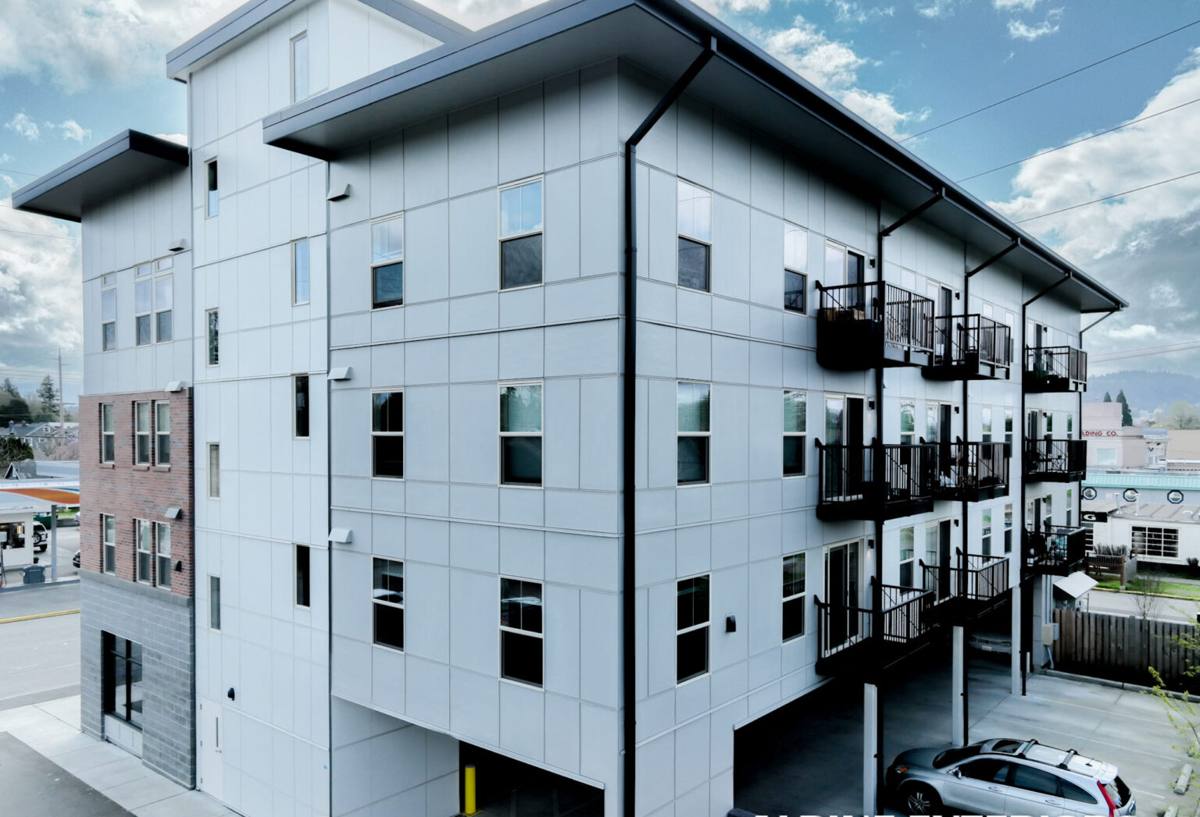
What Sudden Valley's Climate Does to Vertical Siding
Homes in and around Barkley take a specific combination of punishment that doesn't line up neatly with what siding manufacturers test for in a lab. It's worth breaking down because it directly shapes what "correct installation" means here.
Salt Air and Wind-Driven Moisture
Whatcom County sits close enough to salt water that homes on higher, exposed lots pick up salt-laden air, especially during winter storms. Salt accelerates corrosion on fasteners and metal flashing, and it speeds up the breakdown of paint films and caulk. On a lap-sided wall this is a slow, even wear pattern. On board and batten, the battens create dozens of extra vertical seams where wind-driven salt spray can work its way behind the surface if the fastening and caulking weren't done right the first time.
Driving Rain
Storms coming off Lake Whatcom and the surrounding valley don't just fall straight down — they hit walls at an angle, and vertical board and batten has more vertical joint length per square foot than horizontal lap siding does. Every batten strip is a potential entry point if it's not fastened and sealed to spec. Get the drainage plane and batten spacing wrong, and water finds its way behind the boards long before anyone notices a problem on the surface.
A Long Moss Season
Between the tree canopy around Sudden Valley and the region's damp, mild winters, north- and east-facing walls can stay shaded and wet for months at a stretch. Moss and algae don't just look bad — they hold moisture against the siding surface far longer than a dry wall would, which is hard on any substrate that isn't dimensionally stable or properly finished.
Why We Only Install James Hardie Board & Batten
We get asked fairly often why we don't offer cedar board and batten, or a cheaper vinyl vertical panel, or LP SmartSide. All of those products have a place in the market, and none of them are junk. But given what this climate does to a wall over 20-plus years, we standardized on James Hardie fiber cement and stopped installing the alternatives on Barkley and Sudden Valley homes.
Cedar
Real cedar board and batten looks great new and can look great for a long time if a homeowner keeps up with refinishing on a strict schedule. The honest trade-off is that schedule: in a moss-prone, wet climate, cedar wants restaining or resealing far more often than most owners actually keep up with, and once the finish lets go, the wood underneath is exposed to exactly the driving rain and prolonged dampness this area produces. It's a real commitment, not a one-time purchase.
Vinyl
Vinyl vertical panel is inexpensive and low-maintenance in the sense that it doesn't need painting. But it's a thin material that moves a lot with temperature swings, its seams and J-channels are where wind-driven rain gets a foothold, and it doesn't hold up as well as fiber cement to the freeze-thaw and impact stress this region sees. It also isn't the look most Barkley homeowners are after when they specifically request board and batten — the batten shadow lines read differently in vinyl than in a true dimensional product.
LP SmartSide
LP SmartSide is an engineered wood product, and engineered wood's core vulnerability is the same as solid wood's: if moisture gets past the finish and into a cut edge or fastener hole, the substrate can swell and deteriorate. In a climate with this much sustained dampness and moss growth, we'd rather not build in that risk on a product style that has more seams than almost any other siding profile.
Why Hardie
James Hardie fiber cement is non-combustible, dimensionally stable, and doesn't feed moss or rot the way wood-based products can. The factory-applied ColorPlus finish is baked on under controlled conditions rather than painted on-site, which gives it far better adhesion and UV resistance than field-applied paint — a real advantage against salt air and sun exposure. Hardie's HZ5 product line is engineered for climates like ours specifically. Combined with a transferable warranty backed by the manufacturer, it's the product we're willing to put our own installation standards behind.
| Factor | James Hardie Fiber Cement | Cedar | Vinyl | LP SmartSide |
|---|---|---|---|---|
| Moisture/rot resistance | Excellent | Fair — needs maintenance | Good (won't rot, but seams leak) | Fair — engineered wood core |
| Moss/algae resistance | Good with finish intact | Poor without upkeep | Fair | Fair |
| Maintenance need | Low | High | Low | Moderate |
| Finish durability | Factory-baked, long-lasting | Site-applied, fades faster | Color molded in, can fade | Site or factory finish varies |
| Fire resistance | Non-combustible | Combustible | Combustible | Combustible |
What a Correct Board & Batten Installation Actually Involves
Board and batten has more room for error than most siding profiles because so much of the system's performance depends on what's underneath and behind the visible boards, not just the boards themselves.
- A continuous weather-resistant barrier installed before any panel goes up, with all seams properly lapped and taped
- Correct panel spacing and gapping at every seam to allow for expansion, per manufacturer specification
- Battens fastened through the panel into framing at the specified spacing — not just into the panel face
- Rain-screen furring or drainage gap where the wall assembly calls for it, so any moisture that does get behind the siding can drain and dry
- Corrosion-resistant fasteners and flashing appropriate for a marine-influenced climate
- Properly flashed and sealed penetrations at every window, door, hose bib, and light fixture
- Factory-finished cut edges sealed on-site wherever a panel was trimmed
Skip any one of those steps and the wall can look right for a few years before a problem shows up — usually right at a batten seam or a window head, which is exactly where this region's driving rain puts the most pressure.
Our Process for Barkley Projects
We walk every Barkley and Sudden Valley job the same way, because the terrain and tree cover on this side of the lake vary block to block.
1. Site and Exposure Assessment
We look at which walls take the worst of the wind-driven rain, which stay shaded and mossy, and whether the existing wall assembly needs a drainage plane added or corrected — not just cosmetic siding replacement.
2. Tear-Off and Substrate Check
Removing the old siding lets us see the sheathing underneath. If there's hidden moisture damage from a previous installation, we address it before anything new goes on — covering a problem wall never ends well in this climate.
3. Weather Barrier and Flashing
We install a continuous, correctly lapped weather-resistant barrier and flash every opening before the first board goes up.
4. Hardie Board & Batten Installation
Panels and battens go on to manufacturer spec — spacing, fastener pattern, and gapping — with corrosion-resistant hardware throughout.
5. Finish and Walkthrough
Cut edges get sealed, caulking gets checked at every joint, and we walk the finished job with the homeowner before calling it done.
Living With Board & Batten in a Wet, Mossy Climate
Even a correctly installed Hardie system benefits from basic upkeep, especially on shaded walls near the lake and tree line.
- Rinse moss and algae off shaded or north-facing walls once or twice a year with a low-pressure wash — never a pressure washer aimed directly into seams
- Keep gutters and downspouts clear so runoff doesn't sheet down the wall face
- Trim back branches and shrubs that keep a wall section shaded and damp
- Have caulking at trim and penetrations checked every few years, since it's the first thing to wear in wind-driven rain
- Watch for any soft spots, staining, or peeling near the ground line, which usually points to a drainage or splash-back issue rather than a siding failure
Why Local Experience in Barkley and Sudden Valley Matters
A crew that only sees this area occasionally tends to install to a generic spec and hope it holds up. A crew that works Barkley and Sudden Valley regularly already knows which walls take the worst driving rain, which lots hold moss the longest, and where the salt air does the most damage to fasteners and flashing over time. That local pattern recognition is what keeps a board and batten wall performing for decades instead of just looking good for the first few years.
If you're weighing board and batten for a home in Barkley or Sudden Valley, we're happy to walk the property, look at your specific exposure, and put together a free, no-pressure estimate — no obligation, just a straight look at what your walls actually need.