 Sudden Valley
 Why Barkley Homes Take a Beating on Siding
Barkley sits inside the larger Sudden Valley community in Whatcom County, and the siding on homes here works harder than siding almost anywhere else in the state. Salt-laden air moving through the region accelerates corrosion on fasteners and trim, driving rain gets pushed sideways into wall assemblies during winter storms, and a long moss season keeps north-facing walls and anything under tree cover damp for months at a stretch. Add the tree canopy that gives Barkley its character — plenty of shade, plenty of falling debris, plenty of standing moisture on siding that never quite dries out between rain events — and you have a climate that will find every weak point in a wall system within a few years.
Siding here isn't just cosmetic. It's the difference between a wall assembly that sheds water and breathes, and one that traps moisture behind it until sheathing and framing start to rot from the inside where nobody sees it until the damage is expensive.
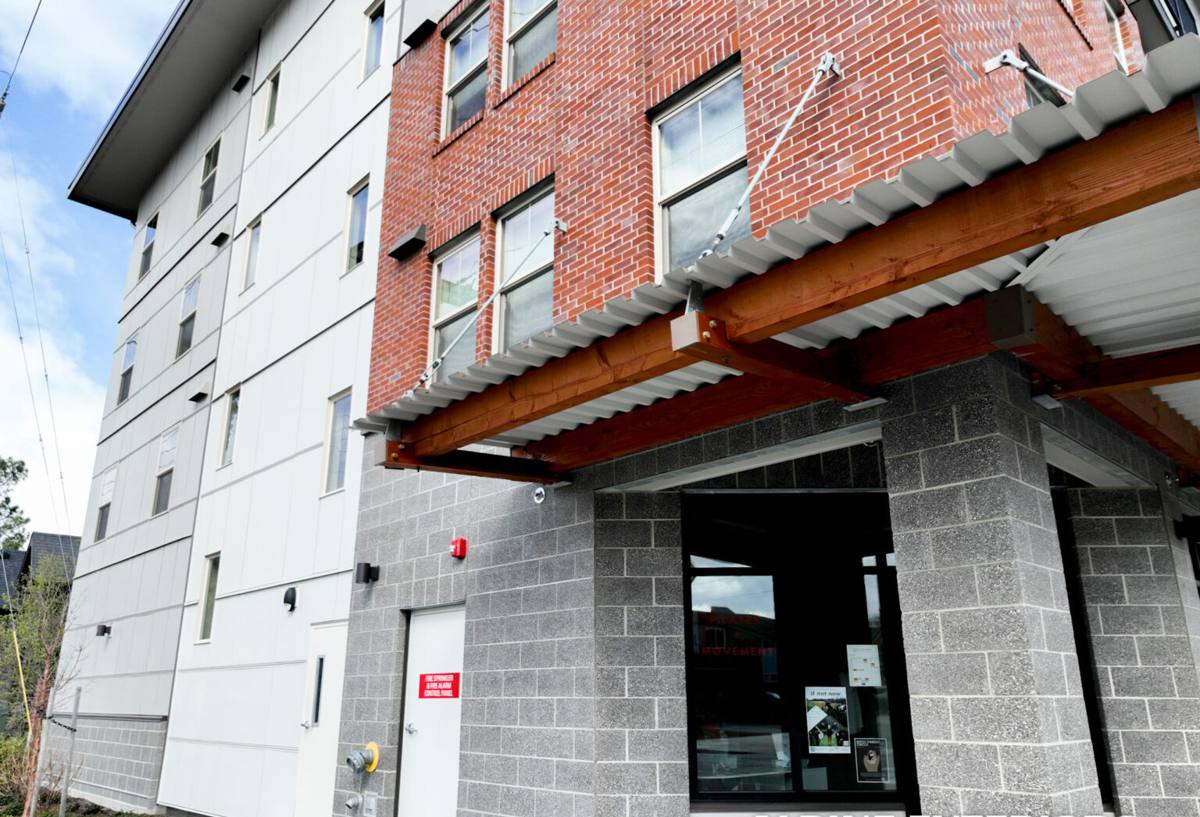
Why We Only Install James Hardie Siding
We made a deliberate decision to install James Hardie fiber cement exclusively — no vinyl, no LP SmartSide, no Cemplank or Allura, no primed spruce or cedar. That's not a marketing angle; it's a standard we hold because of what we've seen these products do (and not do) in exactly this climate over time.
Fiber cement is non-combustible, which matters increasingly for insurance underwriting in Washington. It doesn't absorb water the way engineered wood products can, so it isn't vulnerable to the swelling and edge deterioration that shows up on wood-based siding after a few wet winters. And James Hardie's ColorPlus factory-applied finish is baked on under controlled conditions, which holds color and resists the mildew staining that plain paint struggles with in a moss-heavy environment. For a neighborhood like Barkley, where siding sits under tree cover and stays damp longer than it would on an open, sun-exposed lot, that combination of moisture indifference and finish durability is what actually keeps a wall looking good ten and fifteen years out.
James Hardie also builds its HZ5 product line specifically for the engineered climate zone that covers the Pacific Northwest, which includes freeze-thaw cycling, sustained moisture exposure, and wind-driven rain. That's not a generic siding product with a regional label slapped on it — it's formulated and rated for this weather pattern specifically.
What We're Asking Homeowners to Weigh Against Cheaper Alternatives
We're upfront that James Hardie costs more upfront than vinyl and often more than engineered wood siding. We think that's the wrong place to cut in a climate this demanding. Vinyl can warp and fade under UV and temperature swings, and its seams and J-channels give driving rain more opportunities to find a path behind the cladding. Engineered wood products carry warranty language tied closely to installation and caulking maintenance, which is a real ongoing commitment for a homeowner in a wet climate to keep up with. Fiber cement asks less of you after it's installed correctly.
What a Correct Hardie Installation Actually Involves
The material is only half the equation. Most siding failures we get called out to inspect in this area trace back to installation shortcuts, not the product itself. A correct job in a climate like Barkley's comes down to a handful of details that are easy to skip and expensive to fix later.
Drainage Plane and Rain Screen
Given how much sustained moisture this area sees, we install with a drainage gap behind the siding wherever the wall assembly allows it, so bulk water that gets past the cladding has somewhere to go instead of sitting against the sheathing. This is one of the biggest differences between a siding job that lasts and one that traps moisture.
Fastening and Clearances
James Hardie specifies fastener type, spacing, and penetration depth, and specifies minimum clearances from grade, roof lines, and horizontal surfaces like decks and patios. Those clearances exist so splash-back and standing water can't wick into the bottom edge of the siding — a detail that matters more here than in a drier climate, because Barkley's rain volume and duration give water more time to work on any gap left too tight.
Trim, Flashing, and Joints
Every butt joint, window and door opening, and trim transition is a place water can get behind the siding if it isn't flashed and caulked correctly. We treat flashing details as the first line of defense, not an afterthought — caulk fails, flashing doesn't (if it's installed right the first time).
Field Cutting and Sealing
Any cut edge of fiber cement needs to be sealed per manufacturer spec before it goes on the wall, especially in an area with this much sustained dampness. Skipping this step is invisible on installation day and shows up as edge deterioration a few years later.
Matching the Product Line to a Barkley Home
James Hardie makes several siding profiles, and the right choice depends on the home's style, exposure, and how much of the wall sits under tree cover versus open sky.
| Product | Best Fit For | Why It Works Here |
|---|---|---|
| HardiePlank lap siding | Most Barkley homes, traditional and craftsman styles | Widest range of exposure widths; sheds driving rain efficiently when lapped correctly |
| HardiePanel vertical siding | Modern facades, gable accents, mixed-material designs | Fewer horizontal ledges for moss and debris to collect on |
| HardieShingle siding | Accent gables, dormers, Cape Cod-style details | Classic look without the moisture absorption of real wood shingles |
| HardieTrim boards | Corners, window/door casing, fascia | Resists the swelling and paint failure common with wood trim in wet shade |
For homes with heavy tree cover, we lean toward smoother profiles with fewer horizontal catch points and pay extra attention to gutter and downspout placement, since a big share of long-term moss and staining problems trace back to roof runoff hitting the siding, not the siding itself.
Our Process, Start to Finish
- On-site walkthrough of the home's exposure, existing siding condition, and any moisture or rot already present behind the walls
- Written estimate covering product line, profile, color, and the specific trim and flashing scope for that home
- Tear-off of existing siding and inspection of sheathing, with any soft or water-damaged sheathing replaced before new siding goes on — this step gets skipped by crews trying to move fast, and it's the one that matters most
- Weather-resistive barrier and drainage plane installed correctly at seams, laps, and penetrations
- James Hardie siding installed to manufacturer fastening, clearance, and joint specifications
- Final walkthrough and warranty registration paperwork completed with the homeowner
Cost Factors for a Barkley Siding Project
Every home is different, but the same handful of factors drive most of the variation in price on jobs in this area:
| Factor | Why It Moves the Price |
|---|---|
| Sheathing condition underneath old siding | Hidden rot from years of moisture exposure means replacement lumber and labor before new siding can go on |
| Home height and roofline complexity | Multi-story walls and steep or complex rooflines mean more staging, cutting, and flashing detail |
| Trim and accent scope | Shingle accents, extra trim boards, and custom color add labor and material beyond a straight lap-siding job |
| Access and tree cover | Tight side yards and overhanging trees common in Barkley can slow staging and require extra care around landscaping |
| Color selection | Standard ColorPlus colors versus custom or premium finishes affect material cost |
Living With Hardie Siding in a Moss-Prone, Salt-Air Climate
One reason we standardized on James Hardie is that it asks less of a homeowner once it's on the wall, but "less maintenance" doesn't mean "none." A short seasonal routine keeps it performing the way it's designed to:
- Rinse siding gently once or twice a year, especially on shaded or north-facing walls where moss and algae take hold fastest
- Keep gutters clear so roof runoff isn't sheeting down the siding face
- Trim back vegetation and tree limbs that keep a wall section damp and shaded longer than the rest of the house
- Check caulking at trim joints and penetrations every couple of years and touch up as needed
- Inspect the bottom edge of siding near grade, decks, and patios for any buildup of soil, mulch, or debris that reduces clearance over time
None of this is heavy lifting compared to the scraping, caulking, and repainting cycle that wood-based siding demands in a climate this wet — that gap in ongoing maintenance is a big part of why we recommend fiber cement here.
Why It Matters That We Already Work in Barkley
A crew that already works this specific area knows which walls take the worst of the driving rain, which lots hold moisture longest under tree cover, and where moss problems tend to start versus where they're just cosmetic. That local knowledge changes real decisions on a job — where we add extra flashing attention, which walls get a smoother profile to shed debris better, and how we sequence work around this area's wet season instead of fighting it. It also means when something needs a warranty follow-up years down the road, you're calling a company that's still working in Whatcom County, not chasing down an installer who's moved on.
James Hardie's transferable warranty is only as good as the installation behind it — the company backs the product, but a poorly installed job can void or complicate a claim regardless of the material. Hiring a crew with a track record on Hardie installations specifically, in this specific climate, is what actually protects that warranty for the life of the siding.
If you're weighing a siding replacement for a home in Barkley or elsewhere in Sudden Valley, we're glad to walk the exterior with you, point out what we're seeing, and put together a straightforward estimate — no pressure, no sales script, just what your home actually needs. Use the form below to request a free estimate.