 Sudden Valley
 Composite Decking for Columbia Homes
Columbia sits in the same wet, tree-shaded pocket of Whatcom County as the rest of the Sudden Valley area, and that means decks here take a different kind of beating than decks on the dry side of the state. Long stretches of drizzle, heavy moss growth on anything that stays shaded, and salt-laden marine air moving in off Puget Sound all work on a deck's surface and its framing at the same time. A deck that looks fine after year one can be hiding rot, mold, or fastener corrosion by year four if it wasn't built with this climate in mind.
Composite decking, installed correctly, handles this environment better than most alternatives — but "correctly" is doing a lot of work in that sentence. We've seen composite decks fail early in this area, and it's almost never the board itself. It's the framing underneath, the gaps left out, or fasteners that weren't rated for wet, coastal-adjacent conditions.
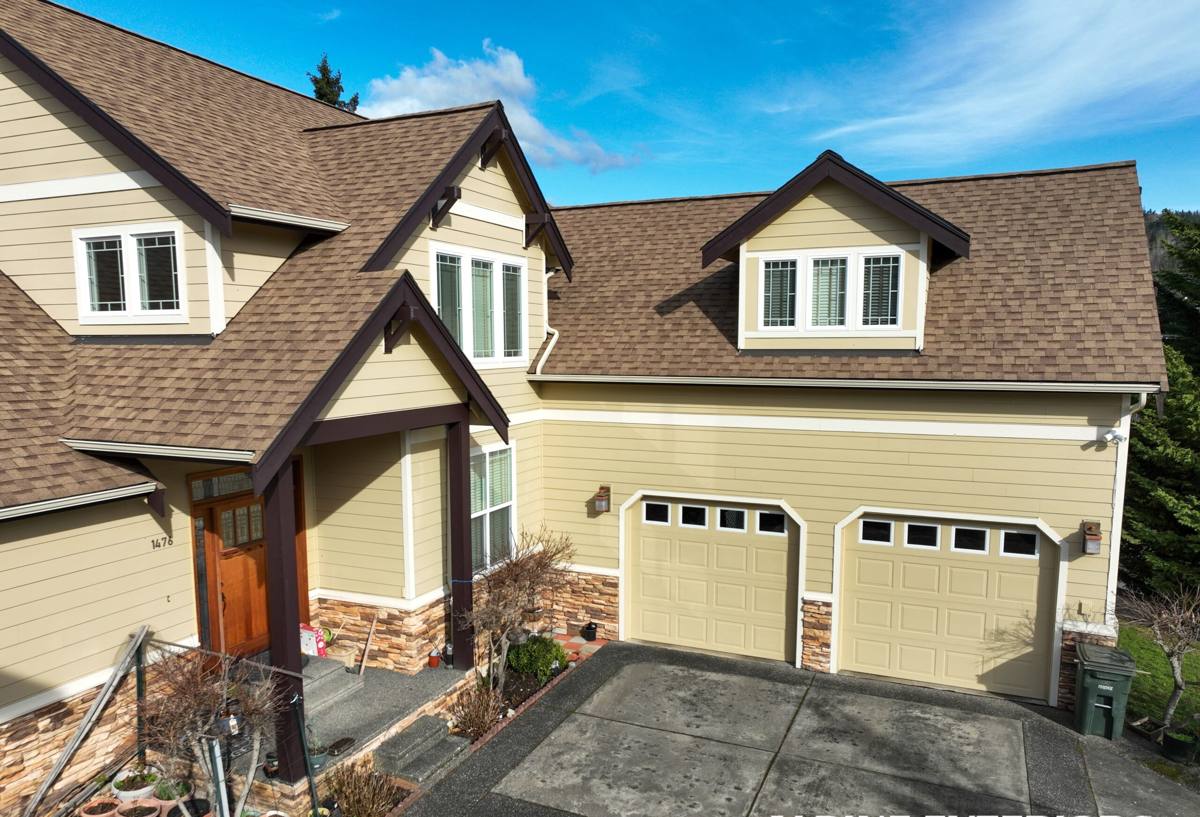
What Rain, Moss, and Salt Air Actually Do to a Deck
It helps to understand the specific failure modes we're building against, because they shape every decision in the job.
Driving rain and standing moisture
Whatcom County's rain rarely falls straight down — wind-driven rain gets under railings, into board gaps, and against ledger boards where a deck meets the house. If water can't drain and dry quickly, it sits in end grain, fastener holes, and the underside of the deck structure. That's where rot starts, whether the surface boards are wood or composite.
Moss and organic growth
Shaded, north-facing, or tree-covered decks in this area grow moss fast, sometimes within a single wet season. Moss holds moisture against the deck surface far longer than open air would, which softens wood framing and can stain and etch even capped composite boards if it's left to build up.
Salt air and corrosion
Being close enough to the Sound to catch salt-laden air means standard fasteners, brackets, and flashing corrode faster here than they would further inland. Corroding hardware is one of the most common hidden causes of a deck that starts to feel spongy or loose well before the decking itself is worn out.
Composite vs. Other Decking Options for This Climate
We install composite for most Columbia-area decks because it holds up to sustained moisture without the yearly upkeep wood needs, but it's not automatically the right call for every budget or every homeowner. Here's how the common options compare for this specific climate.
| Material | Moisture behavior here | Moss/mildew resistance | Upkeep |
|---|---|---|---|
| Cedar / wood | Absorbs and releases moisture; prone to cupping and rot at fastener points if not sealed regularly | Needs regular cleaning and sealing to resist moss staining | Annual cleaning, periodic re-sealing or staining |
| Pressure-treated pine | More rot-resistant than cedar but still absorbs water; can warp with repeated wet/dry cycles | Moss grows readily on the rough surface | Regular cleaning, sealing every 1-2 years |
| Capped composite | Non-absorbent surface; resists swelling and rot as long as substructure is built to drain | Moss and algae can grow on the surface but don't penetrate or stain the board | Periodic washing; no sealing or staining ever |
| Aluminum decking | Excellent moisture resistance; can be noisy and cold underfoot | Very low growth risk | Minimal, but higher material cost |
For most Columbia homeowners, capped composite is the practical middle ground: it removes the ongoing maintenance burden that wood carries in this climate, without the cost premium or different look of aluminum systems.
What a Correct Composite Install Involves Here
The composite board is only one part of the system. In a climate this wet, the framing and detailing underneath matter more than the brand of board on top.
Framing and joist protection
Every joist gets a moisture-barrier joist tape before decking goes down. This is the single most common thing we find missing on decks we're asked to repair — untaped joists sit under a non-absorbent composite board, trap moisture against the wood, and rot from the inside where nobody sees it until the deck starts to feel soft.
Drainage and slope
The deck frame needs a slight slope away from the house, and board spacing has to allow water to actually pass through rather than pool. Ledger connections at the house need proper flashing so wind-driven rain can't track back into the wall.
Fasteners and hardware
Given the salt air this area gets, we use fasteners and structural hardware rated for coastal or marine-adjacent exposure, not standard interior-grade hardware. It costs a little more up front and saves the corrosion-driven loosening that shows up in five to eight years otherwise.
Ventilation underneath
Low decks or decks over patios need enough airflow underneath to let moisture escape rather than sit against the frame. We check clearance and skirting design specifically for this rather than treating it as an afterthought.
Our Process on a Columbia Composite Deck
- On-site assessment — we look at sun exposure, shade patterns, drainage slope, and the condition of any existing structure before quoting anything.
- Design and board selection — we walk through board color, texture, and railing options based on how much shade and moss exposure the deck actually gets.
- Framing work — repair or build the substructure to current code, with joist tape and coastal-rated hardware throughout.
- Composite installation — hidden fastener systems where possible, correct board spacing, and attention to end-cuts and picture-framing details.
- Final walkthrough — we check drainage, railing stability, and stair details before calling the job done.
Choosing Boards and Color for a Shaded, Wet Lot
Board choice matters more here than in a drier climate. Darker composite boards on a heavily shaded lot can stay damp longer and show moss growth sooner than lighter tones with a textured finish designed to shed water. We'll talk through this honestly during the estimate rather than just selling whatever's in stock — a board that photographs well isn't always the right pick for a lot that barely sees direct sun.
Grooved-edge boards with hidden fasteners tend to perform well here because they minimize surface fastener heads where moisture and grime can collect. Solid-edge boards are more resistant to moss finding a foothold in seams but have a different look and cost more per square foot.
Maintenance That Actually Matters in This Climate
Composite decking doesn't need staining or sealing, but "low maintenance" doesn't mean "no maintenance" in an area with this much moss and moisture. A short seasonal routine keeps a composite deck looking and draining the way it should:
- Sweep debris and fallen needles off the deck regularly — trapped organic matter is what feeds moss and mildew growth.
- Rinse and lightly scrub the surface once or twice a year, more often on heavily shaded sections.
- Keep gutters and downspouts near the deck clear so runoff isn't dumping extra water onto the deck surface.
- Check railing posts and stair connections annually for movement, which can signal hardware corrosion underneath.
- Clear moss from gaps between boards before it builds up and starts holding moisture against the edges.
What a Composite Deck Costs in This Area
Exact pricing depends on size, framing condition, and board selection, but these are the factors that move the number most on Columbia-area jobs:
| Factor | Why it affects cost |
|---|---|
| Existing substructure condition | Rotted or undersized framing found under an old deck adds rebuild cost before decking can go down |
| Board tier | Entry-level capped composite costs less than premium multi-tone or textured lines |
| Railing system | Composite or metal railing systems cost more than basic wood but need far less upkeep |
| Height and stairs | Elevated decks with stairs and additional railing runs add labor and material |
| Site access | Tight or sloped lots, common around Sudden Valley, can add time for material staging |
We give a written, itemized quote before any work starts, and we'll flag if we find framing issues during the assessment rather than after demo has already begun.
Why It Matters to Hire a Crew That Already Works Columbia
A crew that regularly works Sudden Valley and the surrounding Whatcom County neighborhoods already knows which details matter here: how much shade a given lot orientation gets, how fast moss builds on a north-facing deck, and which hardware holds up against the salt air moving through this part of the county. That's the difference between a deck built to a generic spec sheet and one built for the conditions it will actually sit in for the next 20-plus years.
We're not guessing at how this climate treats a deck — we're accounting for it in the framing, the fasteners, and the board choice before the first joist goes down.
If you're considering a new composite deck or replacing a tired wood deck in Columbia, we're happy to walk the site and give you a straight, no-pressure estimate. Use the form below to get started.