 Sudden Valley
 Composite Decking Built for Barkley's Climate
Barkley is one of the neighborhoods that make up the Sudden Valley community in Whatcom County, and like the rest of the area it deals with a wet, shaded, moisture-heavy climate for a good chunk of the year. Salt-tinged air off the water, driving rain that doesn't let up for days at a time, and a long moss season that can start in fall and hang on into late spring all put real stress on an outdoor deck. Composite decking can handle that environment well, but only if it's specified and installed correctly for the conditions here — not treated like a generic product dropped into any backyard in any climate.
This page is about one thing: composite decking installed for homes in the Barkley area of Sudden Valley. Not decking in general, and not composite decking somewhere dry and sunny. What follows is what we've learned installing and repairing decks in this specific kind of environment, and what a homeowner here should expect from a job done right.
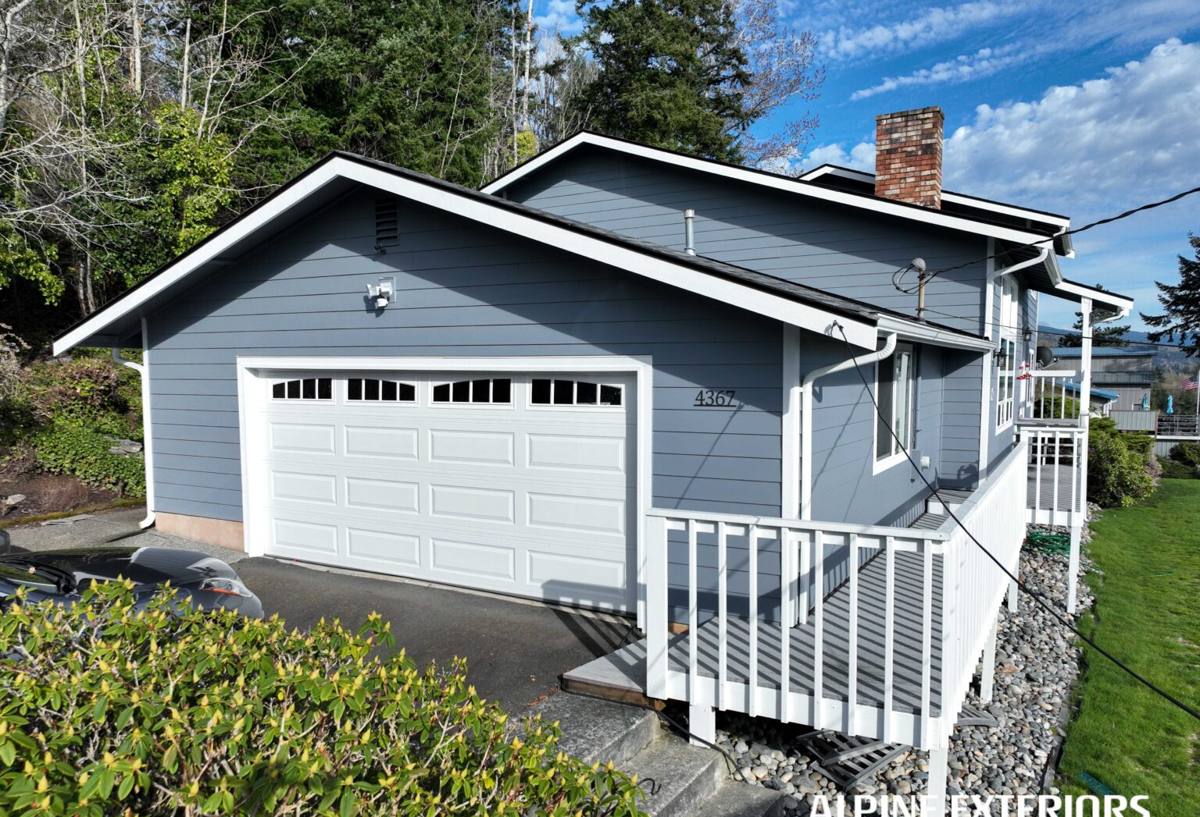
What Salt Air, Rain, and a Long Moss Season Do to a Deck
Moisture at the Frame and Fasteners
Composite boards themselves don't rot, but the frame underneath almost always does — joists, ledger boards, posts, and beams. In a climate with frequent, sustained rain, wood framing goes through repeated wetting and drying cycles all season. If the framing lumber, flashing, or fasteners aren't matched to that reality, moisture works its way into the structure long before it shows on the surface. Composite decking actually makes this worse in one specific way: because the boards don't visibly warp, crack, or discolor the way bare wood does, a rotting frame underneath can go unnoticed for years. The deck looks fine on top while the structure underneath is failing.
Moss, Algae, and Foot Traffic
Shaded lots, tree cover, and near-constant dampness are exactly the conditions moss and algae need. Any deck surface that stays damp and doesn't get much direct sun — north-facing decks, areas under mature trees, spots tucked against the house — will grow moss if it isn't cleaned periodically. On composite boards, that shows up as green or black staining in the surface texture, and it makes the walking surface genuinely slick. This isn't a defect in the product; it's a maintenance reality of building outdoor surfaces in a wet, shaded climate, and it's one we plan around from the start of a project rather than leaving homeowners to discover on their own.
What a Correct Composite Deck Installation Involves Here
Substructure Choice and Spacing
The framing underneath a composite deck matters more in this climate than almost anywhere else. We use pressure-treated lumber rated for ground contact where it's called for, and we follow the joist spacing the specific composite board manufacturer requires — composite boards flex differently than wood and are less forgiving of wide joist spacing, especially once they're carrying wet snow load or standing water weight after a heavy rain event.
Ledger Board and Flashing
Where a deck attaches to the house, the ledger board and its flashing are the single most common source of hidden water damage. In a climate with driving, wind-blown rain, water gets pushed into gaps that would stay dry in a calmer climate. Proper step flashing and a correctly sealed ledger connection aren't optional details — they're the difference between a deck that lasts and one that quietly rots the band joist behind it.
Fastener and Clip Selection
We use fasteners and hidden-clip systems rated for the marine-influenced air common to this part of Whatcom County. Standard hardware can corrode faster here than it would inland, and corroded fasteners are a common cause of loose boards and squeaking decks a few years after installation. Matching hardware to the board brand and to the local air conditions is a small cost at install time that prevents a much bigger problem later.
Drainage and Airflow Underneath
A deck that traps moisture underneath is a deck that grows moss, mold, and eventually rot faster than one that drains and breathes. We grade and slope the substructure to shed water away from the house, leave proper gapping between boards, and vent skirting or under-deck areas so air can actually move through. This one detail does more to control long-term moss growth than any cleaning routine can.
Composite vs. Wood vs. PVC — Cost and Maintenance Factors
Homeowners in Barkley usually compare three options. Here's an honest breakdown of the trade-offs, not a sales pitch for any single one.
| Material | Typical Upfront Cost | Maintenance in This Climate | Moisture Behavior |
|---|---|---|---|
| Pressure-treated wood | Lowest | Annual cleaning and re-staining/sealing to fight moss and gray-out | Absorbs moisture directly; prone to splintering, warping, and rot without upkeep |
| Capped composite | Mid to upper-mid | Periodic wash to prevent moss build-up; no staining or sealing | Resists moisture absorption in the board itself; frame beneath still needs correct detailing |
| Solid PVC | Highest | Similar low-maintenance profile to composite; slightly more resistant to surface staining | Fully moisture-resistant board; installation is less forgiving of substructure movement |
Composite is the middle ground most Barkley homeowners land on — real moisture resistance in the board itself without PVC's higher cost and stricter installation tolerances. But the material choice only pays off if the framing, flashing, and fastening underneath are done for this climate specifically.
Our Process for a Barkley Composite Deck Project
- On-site assessment of the existing deck or build area, including shade patterns, drainage direction, and any existing moisture or moss issues
- Structural evaluation of ledger connection, posts, footings, and framing if this is a replacement
- Board and color selection based on sun exposure and how much shade the specific spot gets
- Permitting and any required inspections through the applicable Whatcom County process
- Tear-out of the old deck (if applicable) and framing built or repaired to spec
- Composite board installation with manufacturer-specified fasteners and clip systems
- Fascia, trim, and railing installation
- Final walkthrough covering how the deck was built and what maintenance it actually needs
Maintenance Homeowners Actually Need to Do
Composite decking is genuinely lower-maintenance than wood, but "low-maintenance" isn't "no-maintenance" in a climate like this one. A short, realistic routine keeps a deck looking and performing the way it should:
- Sweep leaves, needles, and debris out of the board gaps regularly so moisture and organic matter don't sit and feed moss growth
- Wash the deck surface with mild soap and a soft-bristle brush a couple of times a year, more often on shaded sections, before moss gets a foothold
- Keep gutters and downspouts directing roof runoff away from the deck rather than onto it
- Trim back overhanging branches where practical to let more sun and airflow reach shaded sections of the deck
- Check railing posts and visible fasteners once a year for looseness, especially after the wettest months
- Clear snow with a plastic shovel rather than metal to avoid scratching the board surface
Why a Crew That Already Works in Barkley Matters
A lot of what makes a composite deck last here isn't in the manufacturer's install manual — it's knowing which lots in this area sit shaded most of the day, which spots collect standing water after a hard rain, and how the local permitting process works before a shovel ever goes in the ground. A crew that's already worked in Barkley and the wider Sudden Valley community has seen how decks built here actually hold up over a few winters, not just how they look on installation day. That experience shows up in small decisions — joist spacing, flashing detail, fastener choice — that don't cost much more up front but matter enormously five and ten years down the road.
We'd also rather tell a homeowner honestly that a particular spot on their lot is going to be a moss magnet no matter what material goes down, than sell a deck without mentioning it. That's the kind of straight talk that comes from actually knowing the neighborhood, not from a generic sales script.
Get a Free, No-Pressure Estimate
If you're planning a new composite deck in Barkley or replacing one that's showing its age, we're happy to come take a look, walk the site with you, and give you an honest assessment of what the job actually needs. The estimate is free, there's no pressure, and you'll get a straight answer about what's involved for your specific lot. Use the form below to get started.