 Sudden Valley
 Siding Repair in Cordata, Built Around Whatcom County Weather
Cordata sits in the kind of Pacific Northwest weather pattern that's hard on exterior materials year-round: damp marine air, long stretches of driving rain off the water, and a moss season that can run from early fall through late spring. Homes here don't fail because owners neglected them — they fail because siding products and installation details that work fine in a drier climate quietly lose the fight against Whatcom County's moisture load. Cordata siding repair is one of the more common service calls we run out of Sudden Valley, and the pattern is consistent: the damage is almost always a symptom of water finding a way in, not just cosmetic wear on the surface.
A repair done right in this area has to solve the water problem, not just cover it up. That distinction is the difference between a patch that lasts a season and a repair that holds for another decade.
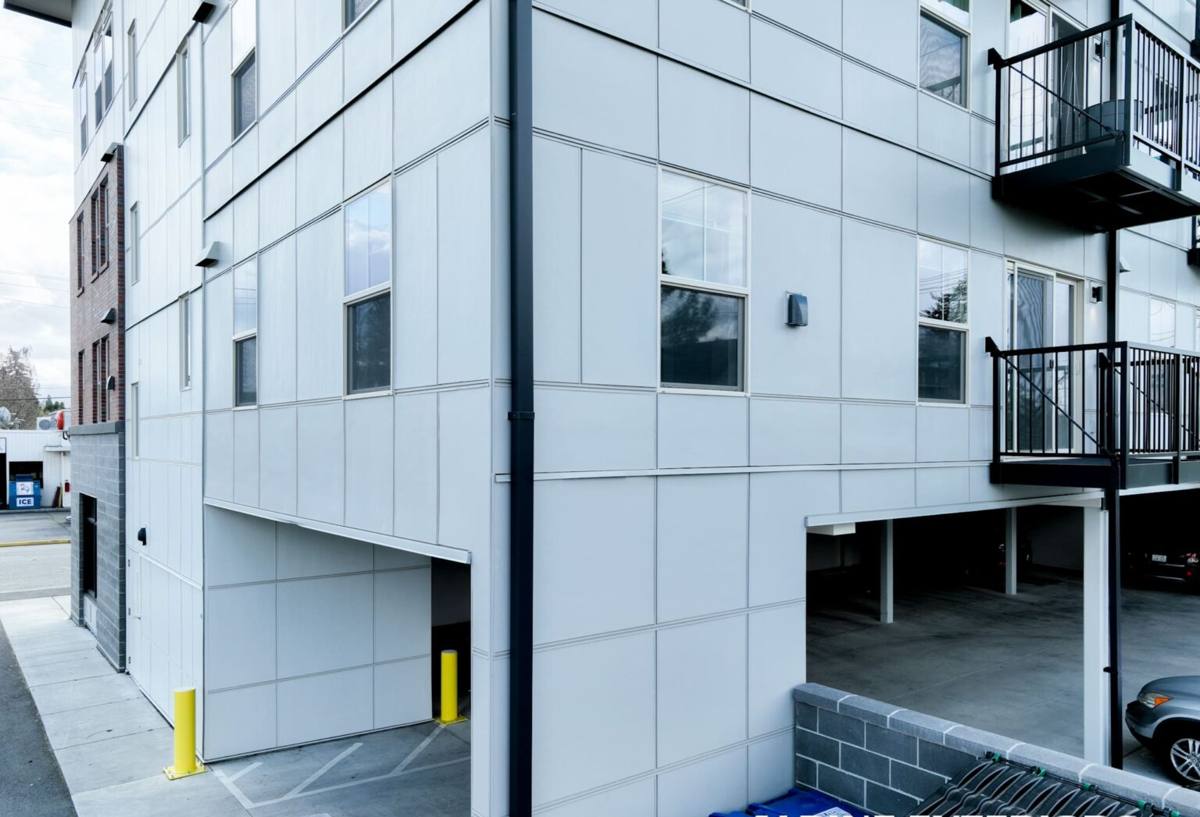
What Salt Air, Rain, and Moss Actually Do to Siding
Moisture Intrusion
Whatcom County gets sustained, wind-driven rain rather than short bursts, which means water has more time to work into any gap — a failed caulk joint, a nail hole, a butt seam that's opened up. Once moisture gets behind the siding, it doesn't dry out quickly in our climate. Wood-based products swell, delaminate, or rot from the inside where you can't see it until paint starts bubbling or a panel goes soft.
Moss and Algae
Shade, moisture, and mild temperatures are exactly what moss and algae need to establish on siding, trim, and anywhere water sits or sheets slowly. Beyond the appearance issue, moss holds moisture against the surface far longer than it would otherwise sit there, which accelerates whatever underlying problem already exists.
Salt Air and Fastener Corrosion
Even away from the immediate waterfront, this region carries enough marine air that non-stainless fasteners, low-grade trim flashing, and cheap hardware corrode faster than manufacturers' generic warranties assume. A repair that reuses corroded fasteners or skips proper flashing is a repair that's already on a countdown.
The Repair Calls We See Most Often in Cordata
- Caulk and sealant failure at joints, corners, and trim — the single most common entry point for water
- Soft or delaminating panels where an older wood-based or poorly maintained product has taken on moisture
- Damaged or cracked sections from impact, settling, or age around window and door trim
- Persistent moss or algae staining that keeps returning after cleaning
- Gaps opening up at butt joints and seams as a house settles or materials expand and contract
- Paint or finish failure that's exposing raw material underneath to direct weather
Diagnosing the Actual Water Path
Before we touch a panel, we trace where the water is actually getting in and where it's going once it's behind the siding. A stain three feet from the real entry point is normal — water travels along framing, sheathing, and house wrap before it shows itself. Cutting out just the visibly damaged section without finding the source means the same repair call again in a year or two.
Matching Materials and Profile
A repair that doesn't match the existing siding's profile, reveal, and finish stands out and can create its own new water path at the seam. We match plank width, exposure, and color as closely as the existing product allows, and where an exact match isn't possible we explain that honestly up front rather than surprising a homeowner later.
Flashing and Weather Barrier Behind the Siding
The siding itself is the least important layer for keeping water out — flashing, house wrap, and proper overlap at penetrations do the real work. Any repair that doesn't correct the flashing detail underneath is cosmetic, not structural, and it will fail again in this climate.
Finish and Sealing
Cut edges, fastener heads, and any exposed material get properly sealed and finished before the repair is called done. This step gets skipped more than any other on rushed repairs, and it's usually where the next failure starts.
Why We Only Repair Onto James Hardie Fiber Cement
We install exclusively James Hardie fiber cement siding, and that standard carries into repair work as well. When we're patching into existing Hardie siding, we're working with a non-combustible, dimensionally stable material with a factory-applied ColorPlus finish — it behaves predictably, and a well-matched repair genuinely blends in over time. When a home has a different product, we still repair it honestly, but we're upfront that some materials simply don't accept a clean, lasting patch the way fiber cement does.
| Material | How It Handles Repair | Moisture Behavior in This Climate |
|---|---|---|
| James Hardie fiber cement | Cuts and matches cleanly; factory finish holds color at the seam | Doesn't absorb and swell; resists moss growth better than wood-based products |
| Vinyl | Patches are visible; color fades unevenly over time, making new pieces mismatch | Doesn't rot, but traps moisture behind it if installed without ventilation gaps |
| LP SmartSide / engineered wood | Repairable, but cut edges need aggressive re-sealing or they wick moisture | Prone to swelling and delamination if water gets past the finish |
| Cedar / primed spruce | Can be patched but weathers and finishes differently than older, sun-exposed boards | Highest maintenance burden; most vulnerable to rot in sustained damp conditions |
This isn't a knock on every product on that list — vinyl and engineered wood siding both have honest uses and reasonable installations elsewhere. It's why, after years of repair and replacement work in this specific climate, we standardized our own installs on fiber cement and became a Hardie-focused crew rather than carrying every product line.
Our Repair Process, Start to Finish
- On-site inspection — we look at the visible damage and check surrounding areas, trim, and penetrations for related issues
- Moisture check — where rot or intrusion is suspected, we check how far it's spread before quoting the repair
- Written scope and estimate — what's being replaced, what's being resealed, and why, in plain language
- Removal of damaged material — cut back to solid material, not just the stained section
- Correcting the underlying cause — flashing, house wrap, or sealant details that let water in get fixed, not just covered
- Installing matched material — profile, reveal, and fastening to manufacturer spec
- Sealing and finish work — caulking, priming or color-matching, and a final check for any other vulnerable spots nearby
Repair vs. Replace: How We Help You Decide
| Factor | Leans Toward Repair | Leans Toward Replacement |
|---|---|---|
| Extent of damage | Isolated to one wall, corner, or small area | Recurring problems across multiple elevations |
| Age of existing siding | Siding is relatively young and otherwise sound | Siding is near or past its expected service life |
| Underlying material condition | Sheathing and framing behind the damage are dry and solid | Rot has spread into structural framing |
| Product on the home | Existing material is Hardie or another product in good general condition | Existing product has chronic moisture or maintenance issues homeowner is done managing |
We'll tell you honestly which side of this table your home falls on. A lot of repair calls really are repairs — we don't upsell a full replacement when a targeted fix will hold.
Signs You Should Get a Repair Looked At Soon
- Soft or spongy spots when you press on the siding
- Visible gaps at seams, corners, or where siding meets trim
- Paint or finish that's peeling, bubbling, or missing in patches
- Moss or algae that returns quickly after cleaning
- Water stains on interior walls near exterior corners
- Cracked or missing caulk at windows, doors, or penetrations
Why a Crew That Already Works Cordata Matters
Repair work benefits from local familiarity in ways new construction doesn't always require. A crew that regularly works Whatcom County neighborhoods like Cordata has already seen how moss season progresses through the fall and winter, how salt-laden wind patterns affect certain exposures more than others, and what a rushed or undersized repair from a past contractor typically looks like when it fails. That local pattern recognition speeds up the diagnosis and keeps us from guessing at causes that are actually well understood in this specific climate.
Working out of Sudden Valley also means we're not a long drive away if a repair needs a follow-up check after the next heavy rain, and we're not learning the region's weather behavior on your project.
What a Fair Repair Estimate Should Include
| Estimate Should Specify | Why It Matters |
|---|---|
| Root cause identified, not just symptom | Confirms the crew is fixing the water path, not just the visible damage |
| Material being used to match existing siding | Avoids surprise mismatches or a patch that stands out |
| Whether flashing or house wrap will be corrected | Determines if the repair actually stops the underlying problem |
| Clear scope of what's included in the price | Prevents change-order surprises mid-project |
If any of those pieces are missing from a quote, it's worth asking directly before work starts. A repair that skips the cause tends to come back as a second job within a year or two, which costs more in the end than doing it right the first time.
If you're seeing signs of siding damage on a Cordata home, or you just want an honest read on whether it's a repair or something bigger, we're happy to take a look. Fill out the form below for a free, no-pressure estimate — we'll tell you what we actually see, not what sells the biggest job.