 Sudden Valley
 Building Decks That Actually Hold Up in Barkley
Barkley homes sit in one of the more demanding spots in Whatcom County for outdoor structures. You've got wooded, often sloped lots, tree cover that keeps things shaded and damp for months at a time, and a marine climate that sends driving rain sideways for half the year. Add in salt-tinged air moving inland off the Sound and Bellingham Bay, and you've got a combination that's hard on fasteners, hard on wood, and unforgiving of shortcuts. A deck built the same way you'd build one in a dry inland climate will show problems within a few seasons here — soft spots, rust streaks, black mildew in the grain, boards that cup and crown. A deck built for this specific climate holds its shape and keeps looking good for decades.
We build custom decks for homeowners throughout the Sudden Valley area, and Barkley is a neighborhood we know well — the lot shapes, the shade patterns, the drainage quirks that come with being tucked into forested terrain near Lake Whatcom. This page walks through what a deck in this specific area needs, what correct construction looks like, and how we handle the job from first walk-through to final inspection.
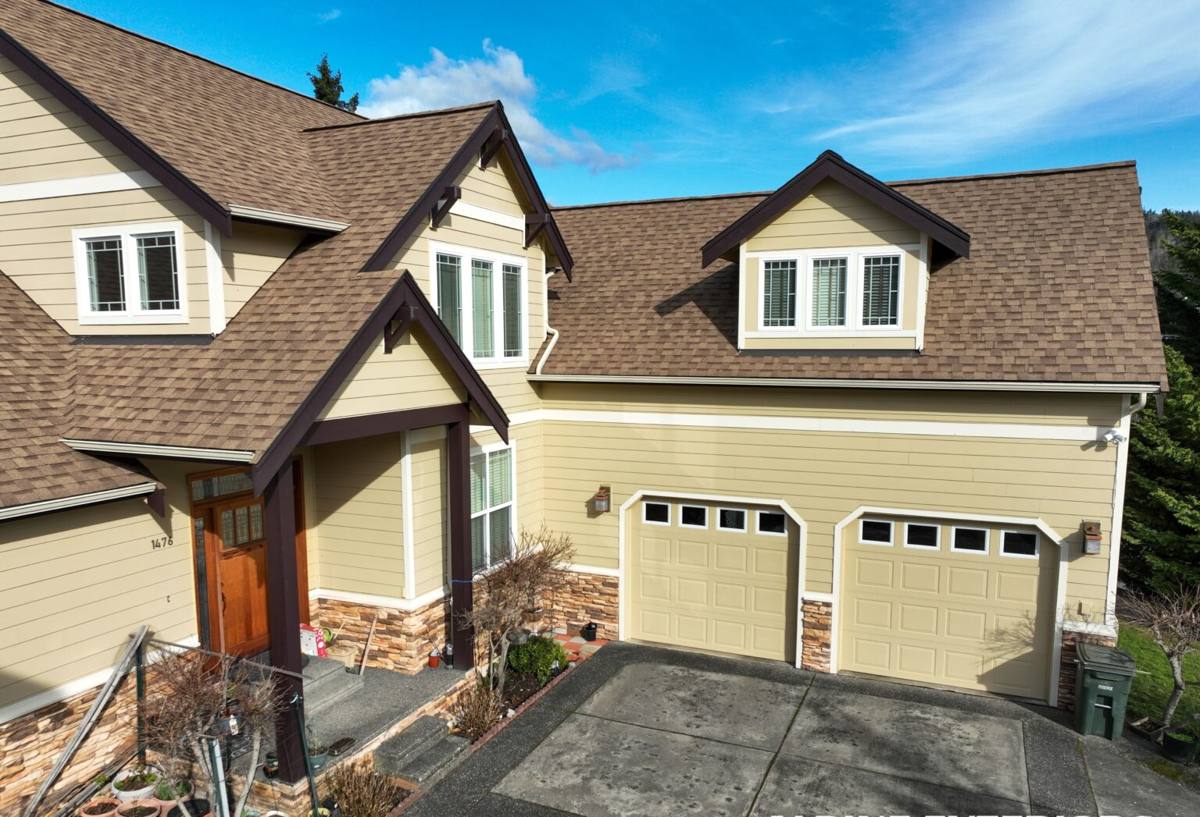
What Whatcom County's Climate Does to an Ordinary Deck
Moisture That Never Fully Leaves
Between the rain, the humidity, and the tree canopy that shades a lot of Barkley lots, decking surfaces here often don't get a real chance to dry out between storms. Wood that stays damp for long stretches is exactly what invites rot, fungal staining, and the slick green film homeowners deal with every fall through spring. Any deck built without that reality in mind — tight board spacing, poor airflow underneath, no real drainage plan — is fighting the climate from day one.
Salt Air and Metal Fatigue
Salt-laden air corrodes ordinary fasteners faster than most homeowners expect. Screws, joist hangers, and structural bolts that aren't rated for coastal exposure can start rusting within a few years, long before the wood or decking around them shows any wear. Once fasteners weaken, the structural integrity of the whole deck is compromised even if the surface still looks fine.
The Long Moss Season
Moss and algae growth isn't a cosmetic nuisance here — it's a near year-round condition on shaded, north-facing, or tree-covered decks. Left unaddressed, moss holds moisture against the decking surface and accelerates exactly the kind of rot and staining problem the climate already encourages. Deck design that ignores sun exposure and airflow is signing homeowners up for a losing battle with moss from the start.
Decking Material Options for This Climate
There's no single "best" decking material — the right choice depends on your budget, how much maintenance you're willing to do, and how much shade and moisture your particular Barkley lot deals with. Here's how the common options actually perform in our conditions:
| Material | How It Handles Our Climate | Typical Lifespan | Relative Cost |
|---|---|---|---|
| Pressure-treated wood | Affordable but needs regular sealing and cleaning to fight moisture and moss; can cup or split if maintenance lapses | 10–15 years | $ |
| Cedar | Naturally rot-resistant and handsome, but still needs periodic sealing in a wet climate; softer surface shows wear | 15–20 years | $$ |
| Capped composite | Strong moisture and moss resistance, minimal upkeep; a good match for shaded, damp Barkley lots | 25–30 years | $$$ |
| PVC / vinyl decking | Fully moisture-resistant with the least maintenance of any option; performs well even in constant shade | 25–30+ years | $$$$ |
We'll walk you through the real trade-offs for your specific lot rather than push a single product. A sunny, open deck can do fine with a well-maintained wood option; a heavily shaded lot tucked into the trees usually earns back the extra cost of composite or PVC within a decade in reduced maintenance and repair alone.
The Structural Work That Doesn't Show
Most deck failures don't start with the decking boards — they start underneath, where nobody's looking. This is the part of the job that separates a deck that lasts from one that doesn't, and it's where corners get cut on a rushed build.
- Ledger board flashing: Where the deck attaches to the house needs proper flashing and a moisture barrier, or water works its way behind the siding and into the wall framing over time.
- Footings sized for our soil: Sloped, often clay-heavy or root-filled Barkley lots need footings dug and poured to the depth and bearing capacity the site actually requires, not a generic minimum.
- Corrosion-rated hardware: Every joist hanger, bolt, and structural screw should be rated for coastal or high-moisture exposure — this is non-negotiable given the salt air and rain this area sees.
- Joist spacing and airflow: Framing spaced to support the decking material chosen, with enough clearance underneath for air to actually move and dry the structure out between rains.
- Proper drainage grading: The ground under and around the deck graded so water sheds away from footings instead of pooling against them season after season.
Design Considerations Specific to Barkley Lots
Barkley's terrain tends to be sloped and wooded, which shapes what a deck needs to do well here more than it would on a flat, open lot.
Working With the Slope
A lot of Barkley homes need a deck that steps down or cantilevers off a grade change rather than sitting on flat ground. That means more engineering attention on footings and support posts, and it's worth getting right the first time — retrofitting a poorly supported deck on a slope is far more disruptive than building it correctly at the start.
Sun, Shade, and Moss Exposure
Where the sun actually hits your lot through the tree canopy should shape both the decking material choice and the layout. A deck positioned to catch what sun is available, with board spacing and railing choices that don't trap moisture, will fight moss and mildew far less than one designed without that in mind.
Privacy and Tree Cover
Many Barkley properties already have natural privacy from surrounding trees, which opens up railing and layout options — cable rail or open-view designs that would need added screening elsewhere in Sudden Valley can often work as-is here.
Our Deck-Building Process
- On-site assessment: We walk your Barkley property, look at slope, drainage, sun exposure, and how the deck will tie into your home, and talk through how you actually plan to use the space.
- Design and material selection: We go over the real trade-offs between wood, composite, and PVC decking for your specific site conditions and budget — no upsell pressure, just honest guidance.
- Permitting: We handle the permit application and inspection scheduling with the appropriate local jurisdiction so you don't have to navigate that process yourself.
- Structural build: Footings, framing, ledger flashing, and hardware go in first, built to hold up against this climate for the long term, not just to pass a first-year inspection.
- Decking, railing, and finish work: Surface decking, railing systems, and any stairs or built-ins go in last, with attention to spacing and drainage details that keep moisture from becoming a long-term problem.
- Final walkthrough: We go over the finished deck with you, including what maintenance it actually needs going forward given your specific material choice and site conditions.
Permits and Local Code
Most new decks and significant deck rebuilds in Whatcom County require a building permit, particularly once you're above a certain height off grade or attaching structurally to the house. Requirements can vary depending on your exact jurisdiction and lot, so we handle the permit application and inspection scheduling as part of the job rather than leaving it on the homeowner to figure out. Skipping this step is one of the more common ways homeowners end up with problems later — whether that's a failed home inspection at resale or a deck that was never actually engineered to code.
Maintenance for the Long Moss Season
Whatever material you choose, a little seasonal attention goes a long way in this climate. Here's what we recommend to Barkley homeowners regardless of who built the deck:
- Sweep debris and standing leaves off the deck surface regularly through fall — trapped organic matter is what feeds moss and mildew growth.
- Rinse or gently scrub visible moss and algae before it gets a foothold, ideally before the wet season really sets in each year.
- Check and re-seal wood decking on the manufacturer's recommended schedule — skipping a season is usually when moisture damage starts.
- Inspect fasteners and hardware yearly for rust streaks or looseness, especially on older decks built before corrosion-rated hardware was standard practice.
- Keep gutters and downspouts near the deck clear so runoff isn't dumping extra water directly onto or under the structure.
- Trim back overhanging branches where practical to improve sun exposure and airflow across the deck surface.
Why a Crew That Already Works Barkley Matters
A deck built by a crew unfamiliar with this specific area tends to make assumptions that don't hold up — using hardware that's fine inland but not rated for our salt air, skipping drainage planning because the last job was on flat, dry ground, or picking a decking material without accounting for how much shade a wooded Barkley lot actually gets. We build decks throughout the Sudden Valley area and know the terrain, the permitting process, and the specific ways this climate wears on outdoor structures. That local familiarity shows up in decisions you won't always see on the surface — footing depth, hardware grade, board spacing — but that determine whether your deck is still solid in fifteen years or needs major repair in five.
If you're considering a new deck or replacing one that's showing its age, we're happy to come take a look and talk through honest options for your property. Use the form below to request a free, no-pressure estimate.