 Sudden Valley
 Building a Deck for a Lake Whatcom Property in Sudden Valley
A deck on a Lake Whatcom lot in Sudden Valley works a lot harder than a deck on a typical open, in-town property. Most homes here sit under heavy second-growth tree canopy, on sloped ground that puts the deck at a range of heights and orientations relative to the lake, and inside a climate that stays damp for long stretches even between rainstorms. We build custom decks specifically for this combination — shade, humidity off the lake, and Whatcom County's wet season — because a deck designed for a sunny, open lot simply won't hold up the same way here. This page covers what a Lake Whatcom deck actually needs, what goes into building one correctly, and why working with a crew that already knows this specific stretch of the lake matters.
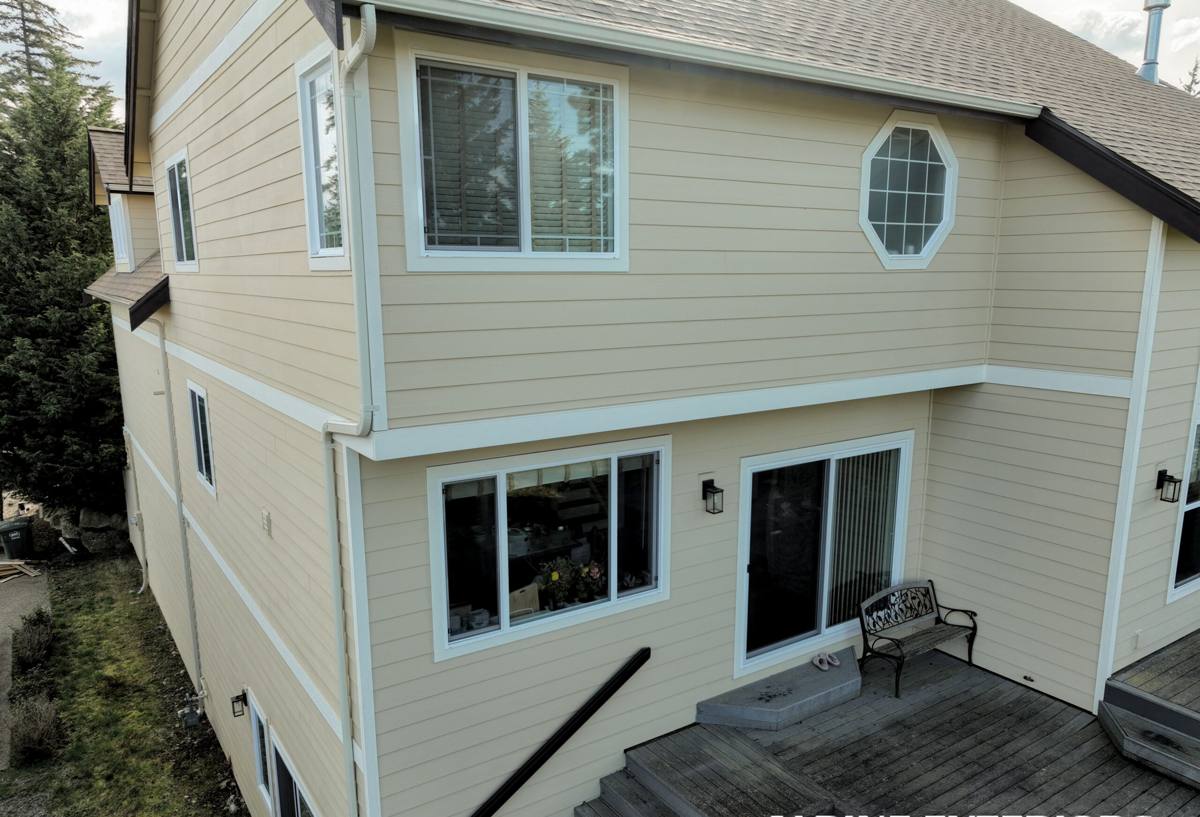
What This Climate Does to a Deck at Lake Whatcom
Shade That Won't Let Wood Dry Out
Tree cover is one of the defining features of Sudden Valley, and it changes how a deck ages. A deck surface that gets a few hours of direct sun a day dries out between rain events; a deck tucked under canopy on a north- or east-facing slope may stay damp for days after a storm passes. That extended dampness is exactly what accelerates rot in lower-grade lumber, encourages mold and algae growth on the surface, and speeds up corrosion in fasteners that aren't rated for sustained moisture contact.
Driving Rain and Lake Humidity
Lake Whatcom adds moisture to the air on top of Whatcom County's already wet pattern, and homes closer to the water tend to feel that extra humidity even on days it isn't actively raining. Sudden Valley's hilly terrain also means wind-driven rain can hit a deck at a steeper angle or from a different direction than it would on flat ground, which matters for how ledger boards, flashing, and any covered sections are detailed against the house.
A Long Moss and Algae Season
Shade, humidity, and mild temperatures are the exact conditions moss and algae need, and that combination stays active on a wooded Lake Whatcom lot for most of the year, not just in the depths of winter. Decking surfaces that hold moisture — untreated wood, low-grade composite, or boards installed without enough gap for drainage and airflow — pick up moss and become slick faster than they would on an open, sun-exposed lot. That's a maintenance issue, but on stairs and walking surfaces it's also a real footing hazard.
Decking Material Choices for a Shaded, Lakeside Lot
There's no single right answer for every homeowner, but there is a real difference in how each material behaves once it's living under Sudden Valley's tree canopy year after year. We walk through these trade-offs honestly rather than pushing whatever has the best margin.
| Material | Moisture Behavior in Shade | Maintenance Here | Typical Longevity |
|---|---|---|---|
| Pressure-treated wood | Absorbs and releases moisture readily; stays damp longer under canopy | Annual cleaning and periodic sealing, more often in shade | 10-15 years with consistent upkeep |
| Cedar | Naturally rot-resistant but still absorbs moisture at the surface | Regular cleaning and refinishing to hold color and grain | 15-20 years with consistent upkeep |
| Capped composite | Moisture-resistant cap sheds surface water; core doesn't wick like wood | Low; periodic washing to clear moss and organic buildup | 25-30+ years, manufacturer-dependent |
| Uncapped composite (older or budget lines) | Can absorb moisture at cut ends and through the surface over time | Moderate; more prone to mold staining in heavy shade | Shorter than capped composite in this climate |
On the shadiest Lake Whatcom lots, we generally steer homeowners toward capped composite for the decking surface itself, simply because it doesn't feed moss and mildew the way wood does when it never fully dries. That said, plenty of homeowners want the look and feel of real wood, and cedar is a legitimate choice as long as everyone's clear going in about the sealing and cleaning schedule it needs to hold up under this much shade.
What This Means for Framing, Regardless of Decking Choice
Whatever surface material a homeowner picks, the structure underneath it takes the real long-term risk on a shaded lake lot. We frame with pressure-treated lumber rated for ground contact where it's called for, and we don't cut corners on flashing where the ledger board attaches to the house — that connection is one of the most common failure points on any deck, and it's worse on a property where the wall behind it rarely gets a chance to dry.
Fasteners and Hardware That Actually Hold Up Here
Corrosion-resistant hardware isn't an upgrade on a Lake Whatcom deck — it's the baseline. We use structural connectors, joist hangers, and fasteners rated for sustained moisture exposure, matched to whatever lumber or decking product is going in, since mismatched metals can accelerate corrosion in a damp environment. On a lot that stays humid for most of the year, hardware that isn't rated for this kind of exposure will show rust and weakening well before the wood itself gives out.
- Hot-dip galvanized or stainless structural connectors, sized to the framing spec
- Fasteners matched to the decking manufacturer's requirements to avoid staining and premature corrosion
- Proper joist spacing and blocking for the specific decking material chosen, since composites and wood have different span requirements
- Ledger flashing that directs water away from the house rather than trapping it against the wall
- Adequate gapping between boards for drainage and airflow underneath the deck surface
Railings, Stairs, and Finish Details for a Damp, Shaded Deck
Railings and stairs see the most foot traffic and the most direct weather exposure on a deck, and they're also where moss and slickness become a safety issue rather than just a maintenance one. We detail railing posts and baluster connections to shed water rather than trap it, and on stair treads in particular we pay attention to surface texture and drainage, since a shaded run of stairs on a sloped Sudden Valley lot is exactly where moss builds up fastest. Fascia boards and skirting get the same moisture consideration as the decking itself — a good-looking deck with rotting skirting boards a year later isn't a good outcome for anyone.
Footings, Slope, and Site Conditions in Sudden Valley
Sudden Valley's terrain is hilly, and lots vary a lot in slope and elevation relative to the lake and the surrounding hillside. That affects footing depth, post height, and sometimes whether a deck needs additional bracing or a different foundation approach than a deck on flat ground would. We assess the actual grade and soil conditions on site rather than assuming a standard footing layout will work, and we pull the required Whatcom County building permits for the structural work involved. Any deck attached to the house also needs a code-compliant ledger connection, which is one of the most frequently overlooked details on deck builds we've been asked to repair or rebuild over the years.
Our Process for a Lake Whatcom Deck Build
We start with an on-site look at the lot itself — slope, tree cover, sun exposure across different parts of the planned deck footprint, and how the house's existing wall and roofline will tie into the new structure. From there we put together a clear, written scope covering framing, decking material, railing style, and hardware, along with a realistic timeline, before any work begins. We pull permits, handle inspections, and build in the drainage and flashing details this climate calls for as standard practice, not as an upsell. Once the deck is built, we walk the homeowner through what upkeep actually looks like for the material they chose, since that's different for cedar than it is for composite, and different again depending on how shaded a given section of the deck is.
Why a Local Crew That Already Works Lake Whatcom Matters
Sudden Valley is a private, HOA-governed community with its own internal road network, and a crew that already works here understands the practical side of that — how to schedule around community access, and how much exposure can change from one lot to the next even within the same neighborhood. That familiarity shows up in decisions that aren't obvious from a set of plans alone: which section of a sloped lot needs a deeper footing, which side of the house needs extra ledger flashing because it almost never sees direct sun, and which decking product will actually hold up under a specific homeowner's tree cover rather than a generic recommendation.
A Simple Checklist Before Hiring for a Deck Build in Sudden Valley
- Ask what decking material they recommend for a shaded, lakeside lot specifically, and why
- Confirm they pull Whatcom County building permits and handle required inspections
- Confirm current Washington contractor licensing and active liability insurance
- Ask how they detail ledger flashing and drainage for a deck attached to the house
- Ask about experience working within Sudden Valley's HOA and private-road access requirements
- Get a clear, written scope of work and material list before signing anything
If you're planning a new deck or replacing an aging one on a Lake Whatcom property in Sudden Valley, we're glad to walk the site with you and give an honest read on what it needs given the slope, shade, and exposure of your specific lot. Reach out below for a free, no-pressure estimate.