 Sudden Valley
 Why Edgemoor's Siding Needs Are Different
Edgemoor is close enough to open water that the air itself becomes part of the maintenance problem. Add the driving rain that blows in off Whatcom County's marine weather and the shade from mature trees that keeps moss going most of the year, and you get a set of conditions that plywood-backed siding, vinyl, and even some fiber cement competitors aren't built to shrug off indefinitely. A siding job here isn't just about picking a color and nailing up panels — it's about choosing a material and an installation method that actually account for salt, water, and moss pressure at the same time, on a house that's likely to keep some tree cover and some wind exposure no matter what.
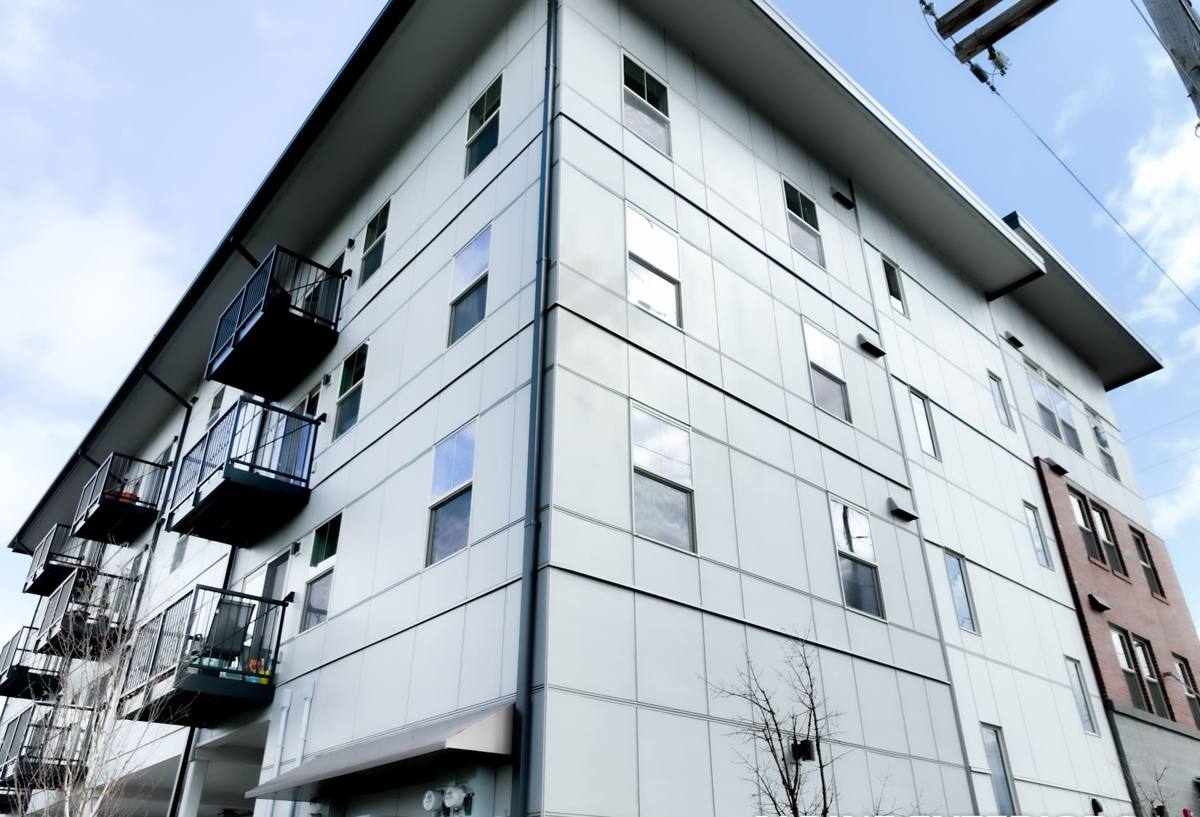
What Salt Air, Driving Rain, and Moss Do to the Wrong Siding
Salt Air and Corrosion
Airborne salt doesn't just sit on the surface of a wall — it works into fasteners, trim edges, and any spot where two materials meet. Over years, that corrodes cheap nails and staples, stains caulk lines, and breaks down finishes that weren't engineered for a marine environment. Fiber cement itself doesn't corrode, but the fasteners, flashing, and trim used with it absolutely can if a contractor cuts corners on materials.
Driving Rain and Wall Assemblies
Whatcom County doesn't just get rain — it gets rain pushed sideways by wind off the water, which finds every seam, lap, and penetration in a wall. Siding that relies on face-sealed caulk joints instead of proper drainage and flashing eventually lets water behind the cladding. Once that happens, the sheathing and framing pay the price, usually before anyone notices from the outside.
Moss, Shade, and Trapped Moisture
Mature tree cover keeps a lot of Edgemoor shaded and damp well after a storm has passed elsewhere. That's a long moss season for roofs, decks, and siding alike. Moss and algae growth on siding isn't just cosmetic — it holds moisture against the surface longer, which matters a lot more for materials that swell, rot, or delaminate than it does for a material engineered to resist it.
Why We Install Only James Hardie Fiber Cement
We don't install vinyl, LP SmartSide, Cemplank, Allura, primed spruce, or cedar. That's not a marketing position — it's a standard we hold to because of jobs like the ones we do in Edgemoor. Non-combustible fiber cement, backed by a factory finish and a product line actually engineered for Pacific Northwest weather, holds up to salt, rain, and moss pressure in ways that softer or less consistent materials don't.
HZ5 Climate-Engineered Formulation
James Hardie's HZ5 product line is formulated for climates like ours — places with sustained moisture exposure and moderate freeze risk. The moisture management built into the panel formulation matters more here than in a dry inland market, and it's one of the reasons we don't substitute a generic fiber cement product to save money on a bid.
ColorPlus Factory Finish
A factory-applied ColorPlus finish is baked on under controlled conditions, which gives it far more consistent adhesion and UV/moisture resistance than field-applied paint. In a spot where siding gets rained on sideways for months at a time, that finish is doing real work — it's not just about the house looking good on install day, it's about the color holding up without chalking, peeling, or needing a repaint in five years. It also comes backed by a transferable warranty, which matters to a buyer if the house ever sells.
What a Correct Fiber Cement Installation Involves
Water Management Comes First
Before a single piece of siding goes up, the wall needs a weather-resistant barrier, correctly lapped and taped, plus flashing at every window, door, and penetration that directs water back out instead of behind the cladding. This is the part of the job that's invisible once it's done — and it's also the part that determines whether the siding lasts twenty years or leads to a rot problem in ten.
Fastening and Clearances
James Hardie specifies fastener type, spacing, and placement for a reason, and those specs change slightly by product and exposure. Correct ground clearance and roof-line clearance also matter more here than in a drier climate — too little clearance and the bottom courses stay wet longer, which feeds moss growth and shortens the paint's life at the point where it's hardest to inspect.
Finishing Details
Caulking only the joints that should be caulked (and leaving the ones that shouldn't be sealed open for drainage), painting cut edges before installation, and using corrosion-resistant trim and fasteners throughout are small details that separate a job that holds up near the water from one that doesn't.
Our Process for an Edgemoor Job
We start with a walk-around assessment of the existing siding, trim, and any moisture or moss patterns already visible, because that tells us as much about the wall's history as a tear-off does. From there:
- Remove existing siding and inspect sheathing for hidden rot or moisture damage before covering anything back up
- Repair or replace damaged sheathing and framing — never build over a problem
- Install a correctly lapped weather-resistant barrier and flash every window, door, and penetration
- Install James Hardie panels or planks to manufacturer fastening and clearance specs
- Finish trim, caulking, and touch-up painting to factory-finish standards
- Walk the finished job with the homeowner before we consider it done
We don't skip the sheathing inspection step to save time, even on a job that looks fine from the outside. In a climate that hides water damage behind good-looking siding for years, that step is often the difference between a straightforward re-side and a much bigger repair discovered halfway through.
Cost Factors for an Edgemoor Fiber Cement Job
Every home is different, but the same handful of factors drive most of the cost variation we see on jobs in this area:
| Factor | Why It Matters Here |
|---|---|
| Condition of existing sheathing | Homes with hidden moisture damage from years of driving rain need sheathing repair before re-siding, which adds labor and material |
| Home size and wall complexity | More corners, dormers, and penetrations mean more flashing and cutting, which affects both material use and labor time |
| Siding profile (lap vs. panel vs. shingle) | Different James Hardie profiles carry different material and install-labor costs |
| Trim and finish detail | Corrosion-resistant trim and fasteners cost more up front but hold up far better against salt air |
| Access and site conditions | Tree cover, slope, and tight access around a lot can add setup and scaffolding time |
We give straightforward, itemized estimates rather than a single lump number, so homeowners can see exactly where the cost is going.
Maintenance in a Salt Air, High-Moss Climate
James Hardie fiber cement needs less upkeep than most alternatives, but less isn't the same as none, especially with the exposure Edgemoor gets. A yearly rinse-down with a garden hose (not a pressure washer aimed directly at seams) clears salt film and moss spores before they get a foothold. It's a five-minute job that saves a much bigger one later.
Caulk joints deserve a yearly look too, since caulk almost always fails before the panel or the finish does — a cracked or shrunk bead is an easy fix today and a moisture entry point next winter. Keeping gutters and downspouts clear matters more here than in a drier climate, since overflowing runoff washing repeatedly across a wall face accelerates both staining and moss growth. Where tree branches or shrubs keep a section of wall shaded and damp longer than the rest of the house, trimming them back does more for that siding's lifespan than any cleaning product. And if a factory-finished wall starts chalking or fading unevenly years ahead of the rest of the house, that's worth a call before it spreads, not after.
Signs Your Current Siding Is Already Losing the Fight
Because moisture damage in this climate often develops behind the siding before it's visible on the surface, it helps to know what to look for early:
- Soft or spongy spots when you press on the siding, especially near the bottom courses or under windows
- Persistent moss or algae staining that comes back within weeks of cleaning
- Paint that's chalking, peeling, or bubbling, particularly on walls that face the prevailing weather
- Visible gaps, warping, or buckling at seams and corners
- A musty smell near exterior walls inside the home, which can indicate moisture has already reached the sheathing
Any one of these on its own isn't necessarily an emergency, but a combination of two or more is worth having looked at before it turns into a sheathing or framing repair.
Why Hiring a Crew That Already Works Edgemoor Matters
Siding installation isn't just about following a manufacturer's spec sheet — it's about knowing how those specs need to be adjusted for a specific site's exposure. A crew that already works this part of Whatcom County knows which walls take the worst of the driving rain, how much clearance actually holds up under a shaded, moss-prone roofline, and where salt-air corrosion shows up first on trim and fasteners. That's knowledge built from doing the work here repeatedly, not from a spec sheet alone. Based just up the road in Sudden Valley, we're not learning this climate on your house — we're applying what years of local jobs have already taught us, on the same conditions your home is dealing with.
If your Edgemoor home is due for new siding, or you want a second opinion on whether your current siding is holding up the way it should, we're glad to take a look. Reach out for a free, no-pressure estimate — use the form below to get started.