 Sudden Valley
 Why Fairhaven Siding Wears Differently Than Siding Ten Miles Inland
Fairhaven sits close enough to the water that salt-laden air is part of daily life on the exterior of a house. Add Whatcom County's long wet season, frequent driving rain off the water, and the shade that many older Fairhaven lots carry from mature trees, and you get a set of conditions that age siding faster than almost anywhere else in the county. Homeowners who move here from drier parts of Washington are often surprised at how quickly moss, algae streaking, and paint failure show up on siding that would have lasted a decade longer somewhere inland.
Siding repair in this neighborhood isn't just about patching a damaged board. It's about understanding why that board failed in the first place, and making sure the repair doesn't fail the same way again in another two or three winters.
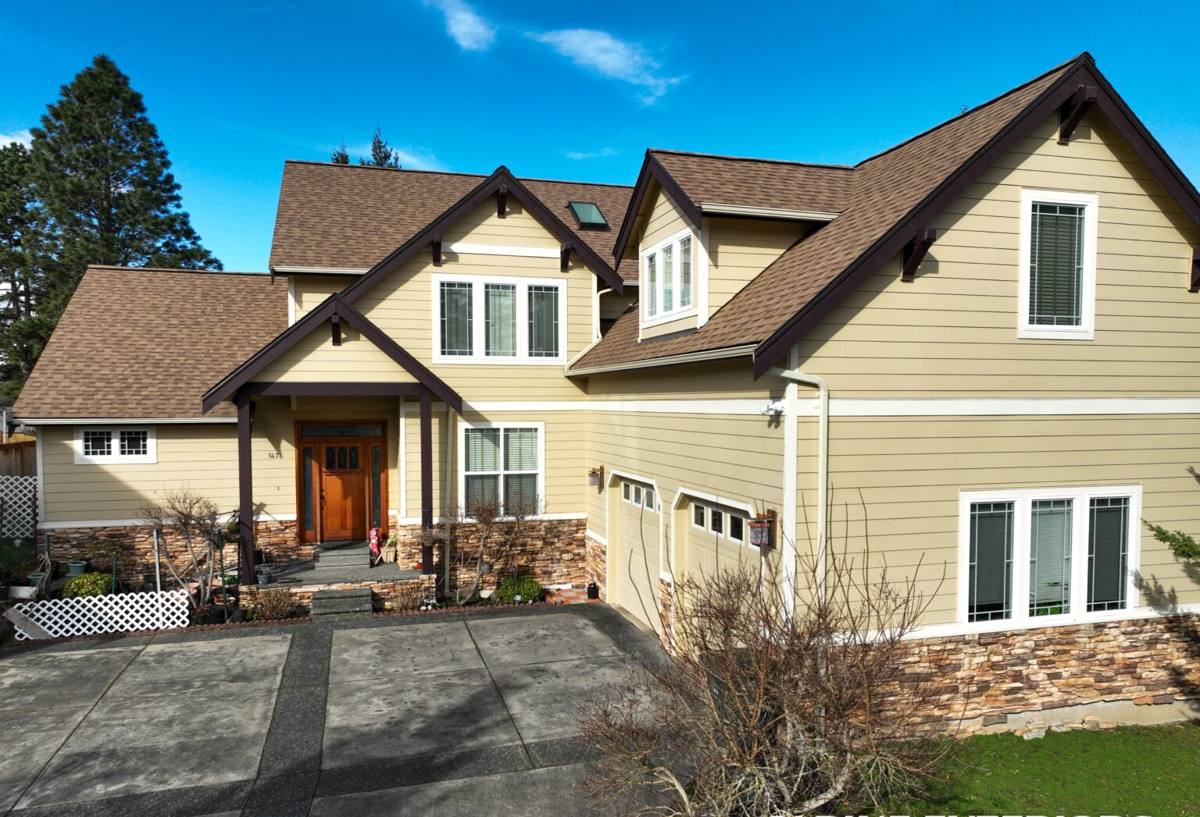
What Salt Air, Rain, and Moss Actually Do to Siding
Salt Air
Airborne salt is corrosive to fasteners, flashing, and any exposed metal trim. On wood-based or wood composite siding, salt also draws moisture into the material, which accelerates swelling, cupping, and paint bond failure at seams and butt joints. Over years, this shows up as chalky, pitted paint and soft spots near the bottom courses of siding closest to grade.
Driving Rain
Fairhaven's exposure means rain frequently arrives sideways, not straight down. That matters because siding systems are engineered around water shedding downward, not being forced sideways or upward under wind pressure. Driving rain finds weak laps, under-caulked trim joints, and poorly flashed windows and pushes water behind the siding rather than off of it. Once water gets behind siding, the damage is often happening in the wall cavity before it's visible from the street.
Moss and Algae
The long wet season and shaded lots common in Fairhaven create ideal moss and algae conditions. Beyond the cosmetic green-black staining, moss holds moisture against the siding surface for extended periods, which is especially hard on wood, primed spruce, and lower-grade composite products that aren't designed to tolerate sustained damp contact.
Signs Fairhaven Homeowners Should Watch For
- Soft or spongy siding when pressed, especially near the bottom few courses or below windows
- Paint that's chalking, peeling, or bubbling rather than just fading evenly
- Dark green or black staining that returns within a season of cleaning
- Visible gaps or separation at butt joints and corner trim
- Nail heads showing rust bleed or popping proud of the surface
- Warping, cupping, or bowing boards, particularly on north- and west-facing walls
- Soft trim around window and door casings
- Musty smell or discoloration on interior walls that share an exterior wall with damaged siding
What a Correct Repair Actually Involves
A lot of "siding repair" in this region is done wrong in a way that doesn't show up until the next repair is needed. Cutting out a bad board and nailing in a new one without addressing what caused the failure just resets the clock on the same problem. A repair that's actually going to hold up in Fairhaven's climate needs to address several things at once.
1. Diagnose the Water Path
Before any board comes off, we trace where water is actually getting in — a failed caulk joint, a flashing gap above a window, a butt joint with no proper overlap, or fastener penetrations that were never sealed. Replacing the visible damage without finding the entry point means the repair fails again.
2. Check the Sheathing and Framing Underneath
If water has been getting behind the siding for a while, the sheathing or framing underneath may be soft or rotted. This has to be addressed before new siding goes back on — covering damaged sheathing with new siding just hides a structural problem.
3. Match Materials Correctly
Patching one product type against another, or mismatching profile and reveal, creates new water paths and looks obviously patched. We match existing James Hardie profiles when repairing Hardie siding, and when we're repairing or replacing sections of older wood, vinyl, or composite siding, we talk through whether a full section replacement in Hardie makes more sense long-term than continuing to patch a product that's already showing its age.
4. Rebuild Flashing and Sealant Details to Spec
Window head flashing, weep paths, and joint sealant aren't optional extras — they're what actually keeps driving rain out. We rebuild these to manufacturer spec rather than relying on caulk alone to do the job.
Why We Only Repair and Replace With James Hardie
We install and repair with James Hardie fiber cement exclusively — not LP SmartSide, not vinyl, not Cemplank or Allura, not primed spruce or cedar. In a climate like Fairhaven's, that choice matters more than in drier parts of the state.
| Factor | Why It Matters Here |
|---|---|
| Moisture tolerance | Hardie fiber cement doesn't swell, rot, or delaminate the way wood-based products can when exposed to prolonged damp and salt air |
| ColorPlus factory finish | Baked-on finish resists the chalking and peeling that's common with field-painted wood siding in this climate |
| Non-combustible | Fiber cement doesn't burn, which matters for insurance and long-term risk regardless of coastal exposure |
| Moss/algae resistance | The dense cement composition and factory finish resist sustained moisture contact better than wood or lower-grade composites |
| Warranty structure | Hardie's transferable warranty is backed by a manufacturer with decades of track record in wet coastal climates like ours |
We're not saying every other product is unusable — LP SmartSide, vinyl, and cedar all have their place. But for repair and replacement work in a salt-air, high-rainfall neighborhood like Fairhaven, we've made a professional decision to stand behind one product system that we've seen consistently perform, rather than repair problems tied to a product's known trade-offs and then get called back in three years for the same failure.
Repair vs. Section Replacement: How We Decide
Not every damaged area needs full section replacement, and not every repair should just be a patch. Here's roughly how we think through it with homeowners.
| Situation | Typical Approach |
|---|---|
| Isolated impact damage, sound siding elsewhere | Board-level repair, matched to existing profile |
| Recurring rot at one wall or elevation | Investigate flashing/water path first, then targeted section replacement |
| Widespread paint failure or moss staining across multiple walls | Often more cost-effective to plan a fuller re-side than to keep patching aging material |
| Soft sheathing found during repair | Sheathing repair required regardless of siding choice, before new siding goes on |
| Older wood or composite siding nearing end of service life | Discuss whether continued patching still makes financial sense vs. a Hardie replacement plan |
Our Process for Fairhaven Repair Jobs
- On-site inspection — we look at the damage, probe surrounding boards for hidden soft spots, and check flashing and trim details, not just the obvious problem area
- Honest assessment — we tell you whether it's a straightforward patch, a larger section repair, or something that points to a bigger issue worth planning around
- Written estimate — scope, materials, and timeline in plain language before any work starts
- Repair work — matched materials, corrected flashing and sealant details, and fasteners suited to a salt-air environment
- Final walkthrough — we point out what we did and why, so you know the repair addressed the cause, not just the symptom
Why Local Experience in This Specific Neighborhood Matters
A contractor who mostly works dry, inland jobs doesn't necessarily know what driving rain off the water does to a butt joint, or how fast moss reestablishes on a shaded north wall a few blocks from the shoreline. Crews that repeatedly work Fairhaven and the surrounding Sudden Valley and Whatcom County area build a working knowledge of which details actually fail here — which is different in specifics from what fails in a dry climate town, even though the same siding brand might be installed in both places. That local pattern recognition is part of what a correct repair diagnosis depends on, and it's not something a one-time inspection from an out-of-area crew can replicate.
Maintenance That Extends the Life of a Repair
- Rinse siding surfaces annually to slow moss and algae buildup, especially on shaded walls
- Keep gutters clear so overflow isn't running down the siding face
- Trim back vegetation and tree cover that keeps siding shaded and damp longer than necessary
- Recaulk trim and window joints proactively every few years rather than waiting for visible gaps
- Have a professional check flashing details any time you notice a recurring damp spot, even if the siding itself looks fine
If you're seeing soft boards, recurring moss staining, or paint failure on a Fairhaven home, we'd rather take a look and tell you honestly what you're dealing with than have you guess. Reach out for a free, no-pressure estimate — the form below gets you started.