 Sudden Valley
 Board & Batten Siding Built for the Geneva Climate
Geneva homes sit in one of the more demanding microclimates in Whatcom County. Between salt-laden air moving in off the water, driving rain that hits walls sideways during winter storms, and a moss season that seems to stretch longer every year, exterior siding here works harder than it does in most inland neighborhoods. Board and batten is one of the most popular siding styles homeowners in this area ask for — the vertical lines, the crisp shadow reveals, the farmhouse-meets-modern look — but popularity and performance are two different things. A board and batten wall that looks great on installation day can fail quietly for years if the material and the details underneath it aren't right for this environment.
Why This Style Gets Requested So Often Here
Board and batten has become a go-to choice for additions, garages, gable ends, and full re-sides in and around Sudden Valley because it reads as intentional and higher-end without looking fussy. It also breaks up large wall planes in a way that flat panel or straight lap siding can't, which matters on the mixed rooflines and multi-story homes common to this area. The style isn't the problem — the material and the build-up behind it are what determine whether it holds up.
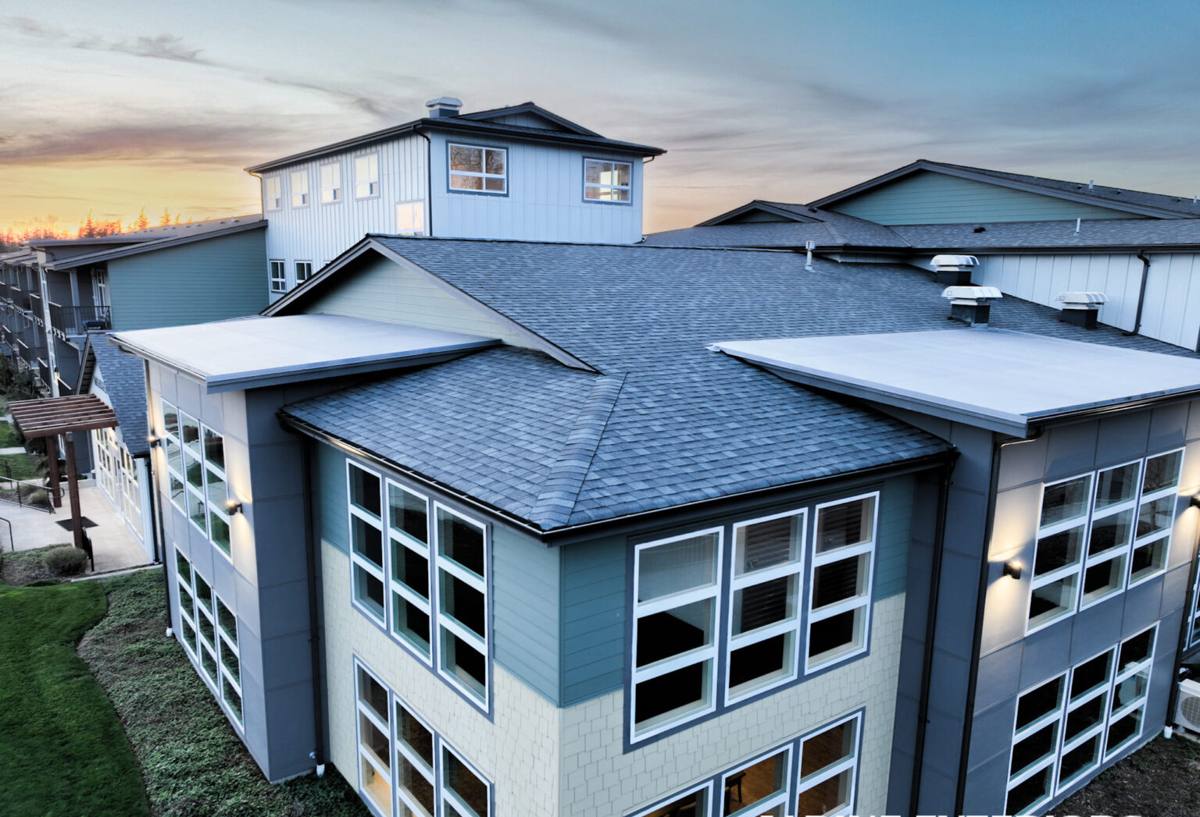
What "Board and Batten" Actually Means
True board and batten is a two-layer system: wider vertical boards installed first, with narrower battens fastened over the seams between them. Done correctly, the battens cover and protect the joints, the boards carry the load of wind and rain, and the whole assembly sheds water downward instead of trapping it. Some manufacturers sell single-panel products with a routed or applied groove pattern that mimics the look without the actual two-layer build. Those can be a reasonable budget option in low-exposure areas, but on a wall that's going to see driving rain off Lake Whatcom for a few decades, the real two-piece system gives you more redundancy at the seams — which is exactly where water intrusion starts.
Vertical vs. Horizontal Exposure
Vertical siding styles like board and batten shed water differently than horizontal lap siding. There's less overlap to rely on, so the fastening pattern, the caulking (or lack of it, ideally), and the gap behind each board matter more. This is one of the main reasons installation quality has an outsized effect on how board and batten performs in a wet climate — the margin for error is smaller than it is with lap siding.
Why We Only Install This in James Hardie Fiber Cement
We don't install board and batten in vinyl, LP SmartSide, primed spruce, cedar, or the other fiber cement brands on the market. That's not a marketing line — it's a standard we set because of what we've seen happen to the alternatives in this exact climate.
- Vinyl board and batten flexes and gaps with temperature swings, and the vertical battens give wind-driven rain more opportunities to work behind the panel over time.
- Engineered wood (LP SmartSide) depends entirely on an intact factory coating and perfect field caulking at every batten edge to keep moisture out. One missed seam in a driving-rain climate and the substrate starts absorbing water.
- Primed spruce or raw cedar boards need the field-applied finish to be flawless and re-maintained on a strict schedule, or moss, mildew, and rot set in — and moss season here doesn't do primed wood any favors.
- Other fiber cement brands (Allura, Cemplank) are dimensionally similar to Hardie but don't carry the same climate-specific engineering or the same factory finish warranty structure we've come to rely on for what we put our name on.
James Hardie fiber cement doesn't absorb water the way wood-based products do, it doesn't expand and contract the way vinyl does, and it's non-combustible. Hardie also engineers its HZ5 product line specifically for the Pacific Northwest's wet, moss-prone conditions, and backs it with a factory ColorPlus finish that's designed to outlast field-applied paint. For a wall that's going to face salt air and sideways rain for the next 30-plus years, that's the combination we're willing to stand behind.
What a Correct Board & Batten Installation Involves
The Drainage Plane Behind the Boards
The single biggest difference between a board and batten job that lasts and one that doesn't isn't visible once the siding is up. A proper installation includes a weather-resistant barrier and, ideally, a rainscreen gap that lets any moisture that does get past the siding drain and dry out instead of sitting against the sheathing. In a climate with this much sustained moisture and moss growth, skipping the drainage plane to save a day of labor is the single most common shortcut that leads to rot claims down the road.
Fastening and Batten Spacing
Board and batten needs blocking or solid backing at every fastening point, correct nail placement per the manufacturer's engineering, and batten spacing that accounts for the wider boards' expansion behavior. Fasteners driven into open air behind a board instead of into structural backing are a callback waiting to happen.
Flashing at Every Transition
Windows, doors, roof lines, and horizontal trim bands are where vertical siding is most vulnerable. Every one of those transitions needs proper flashing integrated with the weather barrier — not just caulk bridging the gap. Caulk is a maintenance item; flashing is the actual water management.
Board & Batten vs. Other Siding Styles
| Style | Look | Best Fit | Moisture Performance in This Climate |
|---|---|---|---|
| Board & Batten (Hardie) | Vertical, farmhouse/modern | Gable ends, accents, full re-sides | Strong, when drainage plane and flashing are done right |
| Lap Siding (Hardie) | Traditional horizontal | Whole-home siding, any style | Very strong — overlap sheds water inherently |
| Panel Siding | Clean, minimal seams | Modern builds, large flat walls | Strong, fewer seams to manage |
| Shingle/Shake Style (Hardie) | Textured, traditional PNW | Accent gables, craftsman homes | Good, more surface area to maintain |
Our Process From Estimate to Finished Wall
- On-site walkthrough: We look at your current siding, sheathing condition, and the specific exposure your walls get — a north-facing wall near tree cover behaves very differently than a south wall in open wind.
- Straightforward estimate: A written scope covering material, drainage plane, flashing detail, and labor — no vague allowances.
- Tear-off and inspection: Once old siding comes off, we check sheathing for hidden moisture damage before anything new goes up. This is often where past shortcuts get found.
- Weather barrier and drainage plane installation: The unglamorous part that determines whether the siding lasts.
- Board, batten, and trim installation: Installed to Hardie's fastening and clearance specifications, not shortcuts.
- Final flashing, caulk, and walkthrough: We go over what was done and what maintenance, if any, you'll need going forward.
Cost Factors for Board & Batten Siding in Geneva
Every home is different, so we don't publish blanket per-square-foot numbers, but these are the variables that actually move the price:
| Factor | Why It Matters |
|---|---|
| Tear-off vs. new construction | Removing existing siding and dealing with what's underneath adds labor and sometimes sheathing repair |
| Wall complexity | Dormers, gables, and cut-ins around windows take more time per square foot than flat wall runs |
| Drainage plane needs | Homes with past moisture issues may need additional rainscreen or sheathing work before siding goes on |
| Trim and batten density | Tighter batten spacing and wider trim boards mean more material and labor than a minimal-batten layout |
| Color and finish | Factory ColorPlus finishes cost more upfront than field-painted but remove a recurring maintenance expense |
Maintenance in a Salt-Air, Moss-Prone Climate
Fiber cement is low-maintenance compared to wood or vinyl, but "low-maintenance" doesn't mean "no-maintenance," especially with this much moisture and moss pressure in the region. A simple annual routine keeps a board and batten wall performing the way it was installed to perform.
- Rinse siding and battens once or twice a year to clear salt residue and organic buildup before it becomes moss
- Keep gutters and downspouts clear so runoff isn't sheeting down wall faces
- Trim back vegetation and tree cover that keeps siding shaded and damp longer than it needs to be
- Check caulk lines at window and door transitions annually — caulk is a wear item even on a well-flashed wall
- Look for any moss or algae starting at batten shadow lines and address it early rather than letting it establish
Why a Crew That Already Works in Geneva Matters
Siding installation isn't one-size-fits-all across Whatcom County. A crew that mostly works drier, more sheltered neighborhoods can do technically fine work and still under-build for what a Geneva or Sudden Valley wall actually faces — sustained wind-driven rain, salt air, and a moss season that punishes any weak point in the drainage plane. Working this area regularly means we're not guessing at exposure levels or treating flashing and rainscreen detail as optional add-ons. It's the baseline for every job we do here, because we've seen what happens when it isn't.
If you're considering board and batten siding for a home in Geneva or elsewhere around Sudden Valley, we're happy to take a look and walk you through what your specific walls need. The estimate is free, there's no pressure, and you'll get a straight answer about what a correct installation looks like for your home.