 Sudden Valley
 Windows Built for South Hill's Weather, Not Just Any Weather
South Hill sits up in elevation relative to the rest of the Sudden Valley area, which means it catches wind and weather a little differently than homes down closer to the lake. Add in the salt-laced air that moves through Whatcom County off the Puget Sound and Strait of Georgia, the driving rain that comes sideways in a winter storm, and the long stretch of gray, damp months when moss finds a foothold on anything that holds moisture, and you've got a climate that is genuinely hard on windows. This isn't a page about windows in general. It's about what actually needs to happen when you replace windows on a South Hill home, given what this specific stretch of weather does to a house over the years.
Homeowners here often come to us after noticing the same handful of problems: fogged glass, drafts around the frame, wood trim that's gone soft, or a window that simply won't latch tight anymore. Those aren't random failures. They're the predictable result of years of moisture cycling in and out of a building envelope that wasn't detailed for this much sustained wet weather.
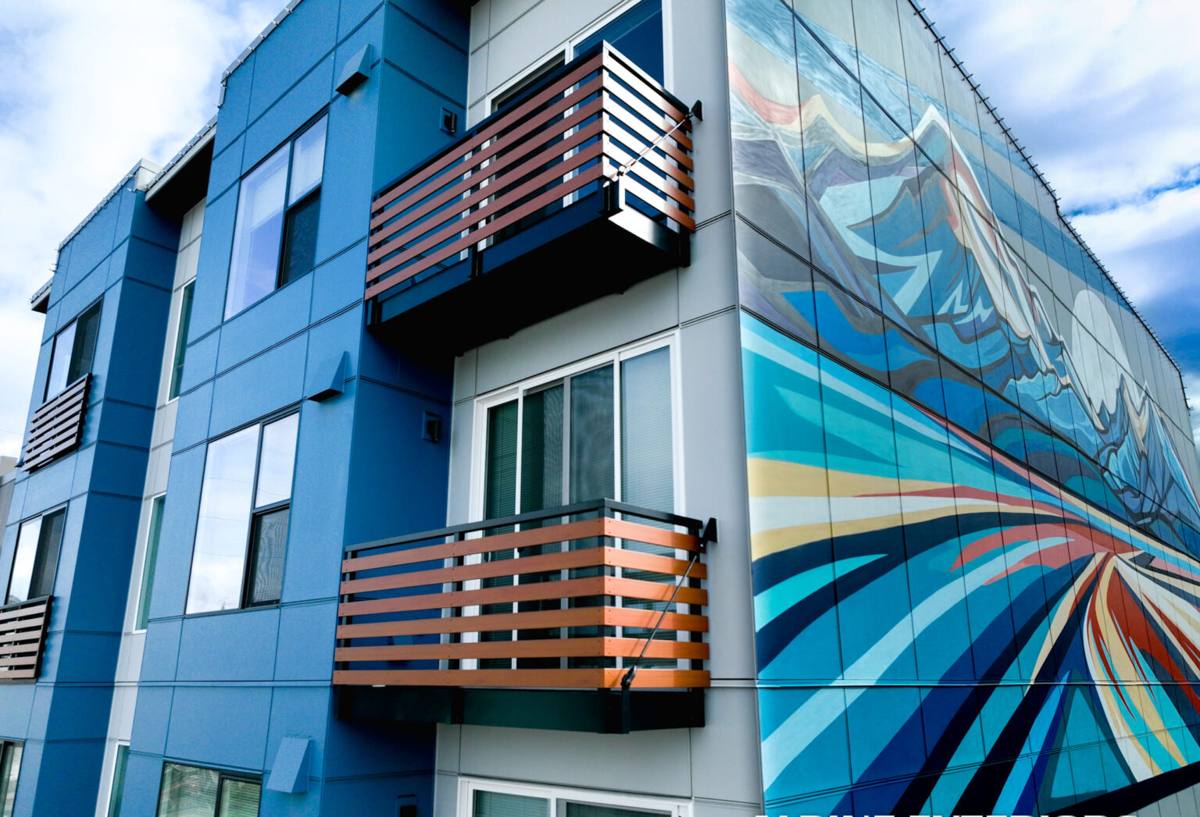
What Salt Air, Driving Rain, and Moss Season Actually Do to a Window
Salt Air
Airborne salt is corrosive to unprotected metal hardware — hinges, latches, screws, and older aluminum frames. It also accelerates the breakdown of some sealants and finishes faster than a purely dry inland climate would. Over years, that shows up as pitted hardware, stiff or sticky operation, and seals that give out earlier than their rated lifespan.
Driving Rain
Wind-driven rain doesn't just fall on a window — it gets pushed sideways into the joint between the window unit and the wall opening. If that joint wasn't flashed and sealed correctly when the window went in, water finds its way behind the trim and into the framing. This is almost always a slower, hidden problem: by the time you see a stain or feel a soft spot, moisture has usually been working on the sheathing and framing for a while.
Moss and Sustained Damp
Whatcom County's long moss season isn't just a roof issue. Anywhere moisture sits — a horizontal sill, a shaded north-facing wall, a spot that doesn't get sun or airflow — organic growth can take hold. On windows, that usually means moss or algae staining on sills and trim, and it's often a sign that water is sitting somewhere it shouldn't be lingering.
Signs a South Hill Home Needs Window Replacement, Not Just Repair
- Fogging or a visible haze between the panes of a double-pane window — the seal has failed and the gas fill is gone
- Visible daylight or a noticeable draft around the frame when it's windy
- Wood trim or sill that feels soft, spongy, or shows dark staining
- Windows that are difficult to open, close, or lock — often a sign the frame has swollen or shifted
- Noticeable increase in heating costs without another clear explanation
- Visible gaps between the window frame and the siding or trim around it
- Condensation forming on the inside of the glass regularly during colder months
Any one of these on its own might be a minor fix. Several of them together, especially on an older home, usually mean the windows and the moisture management around them have reached the end of their useful life together.
What a Correct Window Replacement Job Actually Involves
The window unit itself is only part of the job. In a climate like this, the work around the window matters just as much as the window in the opening.
Removal Without Damage
Old windows have to come out cleanly, without tearing up surrounding siding, trim, or framing more than necessary. This is also the point where we get to see, firsthand, what condition the wall opening is actually in — which is information you can't get any other way short of opening it up.
Inspecting the Opening
Before a new window goes in, the rough opening gets checked for rot, soft framing, or existing water damage. If we find deteriorated sheathing or framing from years of moisture intrusion, that gets addressed before anything new is installed. Installing a new window into a compromised opening just resets the clock on the same problem.
Flashing and Water Management
This is the step that matters most in a driving-rain climate. Proper flashing — installed in the correct order, integrated with the house wrap or building paper, with the sill pan sloped to shed water outward — is what actually keeps wind-driven rain from getting behind the window over the next twenty years. This is also the step that's easiest to shortcut and hardest to verify once the trim is back on, which is exactly why it should be done right the first time.
Air Sealing and Insulation
The gap between the window frame and the rough opening needs to be sealed and insulated correctly — not just caulked on the surface, but filled properly so there's no path for air or moisture to move through the wall assembly.
Finish Work
Trim, caulking, and touch-up paint or finish work should leave the window looking like it belongs on the house, with clean sightlines and no gaps.
Choosing the Right Window for This Climate
Frame material and glass package both matter more here than they would in a drier, milder region. We steer homeowners toward materials and details that hold up specifically to sustained moisture, salt exposure, and temperature swings between damp winters and warmer summer days.
| Frame Material | How It Holds Up Here | Maintenance Burden |
|---|---|---|
| Vinyl | Resists moisture and salt corrosion well; won't rot; performs consistently over time | Low — occasional cleaning |
| Fiberglass | Very stable in temperature swings, strong resistance to moisture and corrosion, holds paint well if color changes are wanted later | Low to moderate |
| Wood or Wood-Clad | Attractive but more vulnerable to sustained moisture exposure unless the exterior cladding and finish are well maintained | Higher — needs regular inspection and upkeep |
| Aluminum (older/uncoated) | Prone to corrosion and pitting in salt air over time; conducts cold, which can lead to condensation | Moderate to high |
Our default recommendation for most South Hill homes is a quality vinyl or fiberglass frame with a warm-edge, dual-pane (or triple-pane where budget allows) glass package. That's not a knock on wood windows — they have real appeal — but we're honest with homeowners about the added maintenance commitment they require in a climate that stays wet for a large part of the year. If someone wants wood-clad windows with eyes open to that trade-off, we'll install them correctly. We just don't sell people on a look without telling them what it costs to maintain here.
Glass Considerations
Low-E glass coatings help with energy performance year-round, and a good gas fill (typically argon) between panes improves insulation. For rooms that get direct exposure to weather, we also talk through condensation resistance ratings, since a poorly specified window can fog on the interior during cold, damp stretches even when installed correctly.
Our Process, Start to Finish
- Walkthrough and assessment — we look at each window, the surrounding trim and siding, and flag anything that suggests existing moisture issues
- Honest recommendation — full replacement where warranted, targeted repair where that's genuinely the better call
- Clear estimate — written, itemized, no pressure to decide on the spot
- Scheduling around weather — we plan installation windows with Whatcom County's rain patterns in mind so openings aren't left exposed longer than necessary
- Installation — removal, opening inspection, flashing, insulation, and finish work done in that order, every time
- Walkthrough and cleanup — we show you the finished work and leave the site clean
Why a Crew That Already Works South Hill Makes a Difference
Window replacement done right depends on details that are easy to skip and hard to verify after the trim is closed up — correct flashing sequence, a properly sloped sill pan, air sealing that's actually complete rather than just caulked over. A crew that regularly works homes in Sudden Valley and the greater Whatcom County area has already seen how these specific conditions — the driving rain angle, the salt exposure, the moss and moisture pattern through the wetter months — play out on real houses over years, not just on install day. That experience shows up in the choices made on your job: how the flashing gets lapped, what gets flagged in the rough opening, and what gets used to solve problems already common to this area, rather than being figured out for the first time on your house.
What Affects the Cost of a Window Replacement Project
Every home is different, but a few factors consistently drive the cost of a window replacement project up or down:
- Number of windows being replaced and whether it's a whole-house project or a targeted few
- Frame material chosen (vinyl, fiberglass, or wood-clad)
- Window size and configuration — standard sizes cost less than custom or oversized units
- Condition of the existing rough openings — hidden rot or framing repair adds time and material
- Glass package — standard dual-pane versus upgraded Low-E, triple-pane, or specialty coatings
- Trim and finish work required to match the existing exterior
- Access and second-story or difficult-to-reach installations
We're upfront that a whole-house project is a meaningful investment, but we'll never inflate a quote with padding, and we'll tell you plainly if a repair is the more sensible option for a particular window instead of a full replacement.
Keeping New Windows Performing in a Wet, Salty Climate
A correctly installed window in this climate should need very little from you, but a few habits extend its life:
- Rinse accumulated salt residue and grime off exterior frames and glass periodically, especially after storms
- Keep gutters and downspouts clear so water isn't sheeting down across window heads
- Check caulking and sealant lines annually and touch up any that have started to crack or pull away
- Wipe down sills after heavy rain if water tends to pool there, and address any moss or algae growth early before it spreads or holds moisture against the frame
- Keep an eye on operation — if a window starts sticking or becomes hard to latch, have it looked at before it turns into a bigger issue
None of this is complicated, but a little attention goes a long way toward getting the full lifespan out of a window investment in a climate that doesn't let up for months at a time.
Get a Straight Answer About Your Windows
If your South Hill home has windows that are fogging, drafting, sticking, or just showing their age after years of Whatcom County weather, we're happy to come take a look and give you an honest read on whether it's time to replace or whether a repair will genuinely do the job. There's no pressure and no upsell — just a clear estimate and a straight answer. Use the form below to request your free, no-obligation estimate.