 Sudden Valley
 Windows Built for the Yew Street Stretch of Sudden Valley
Homes along Yew Street sit in one of the trickier microclimates in Sudden Valley. You get the wind and moisture coming off Lake Whatcom, long stretches of shade from mature trees that keep siding and window frames damp longer than homes out in the open, and the kind of driving rain that finds every gap in an old window's seal. If your windows are original to the house, or even a first-generation replacement from 20-plus years ago, there's a good chance they're working against you rather than for you every winter.
We install energy-efficient windows for homeowners throughout Sudden Valley and the rest of Whatcom County, and Yew Street is a street we know well — the lot slopes, the tree cover, the way certain homes catch wind off the water differently than others just a block away. That local knowledge changes how we approach flashing, drainage, and unit selection, not just the sales pitch.
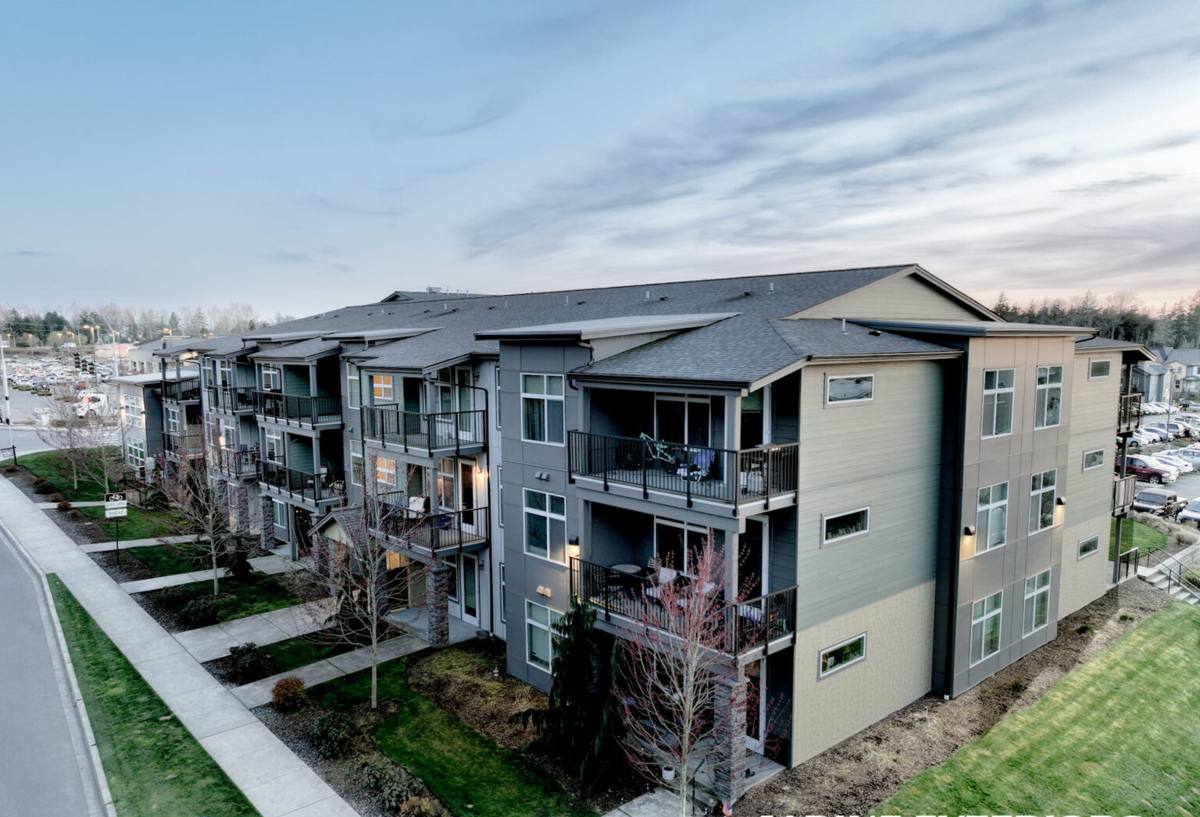
What the Local Climate Actually Does to Windows
Moisture Season Is Long, Not Occasional
Whatcom County doesn't get a short rainy season — it gets a long, low-intensity wet stretch that runs from fall through spring, with fog and condensation filling in the gaps. Wood-framed windows without proper cladding take on moisture slowly over years, which shows up as soft spots at the sill and corners long before anyone notices a leak. Vinyl and fiberglass frames don't rot, but a poorly sealed unit will still let moisture behind the trim, where it damages the wall assembly instead of the window itself.
Moss and Organic Growth
The same shade and moisture that grow moss on a roof will grow it in window tracks, weep holes, and exterior trim if those areas aren't detailed to drain and dry properly. Clogged weep holes are one of the most common reasons a "good" window starts leaking — the glass and frame are fine, but water has nowhere to go and backs up into the wall.
Lake-Effect Wind and Driving Rain
Homes closer to Lake Whatcom catch gusts and wind-driven rain that push water sideways into any gap in the window's weather seal. An aging window with a worn compression seal or a warped sash will let air and water through long before it fails outright, which is why a lot of Yew Street homeowners notice drafts and higher heating bills before they notice any visible damage.
What "Correct" Looks Like for This Area
An energy-efficient window is only as good as its installation. We treat these as the non-negotiables for any window we put in around Sudden Valley:
- Full removal of the old window and inspection of the rough opening for hidden rot before anything new goes in
- Proper flashing sequence — sill pan, jamb flashing, and head flashing that shed water down and out, not into the wall cavity
- Weep holes and drainage paths left clear and checked for function, not just installed and forgotten
- Low-expansion foam and backer rod at the perimeter, not just caulk, to control both air leakage and moisture
- Exterior sealant rated for sustained wet exposure, applied in a bead pattern that still allows incidental water to escape
- Glass and gas-fill spec matched to the window's orientation — a north-facing window and a west-facing one facing the lake don't always want the same package
Skip any one of these and you can end up with a window that's rated well on paper but performs poorly in practice, because the installation — not the glass — is where most failures start.
Choosing the Right Window Package
Frame Material Trade-Offs
| Frame Type | How It Handles This Climate | Maintenance |
|---|---|---|
| Vinyl | Good moisture resistance, no rot risk, solid insulating value | Low — occasional cleaning, no painting |
| Fiberglass | Excellent dimensional stability in temperature swings, strong seal longevity | Low — very stable, higher upfront cost |
| Wood-clad | Attractive interior look, but cladding integrity at joints matters more here than in drier climates | Moderate — clad exterior needs to be inspected for seal failure over time |
| Aluminum | Conducts cold, prone to condensation in our damp winters unless thermally broken | Low, but we don't recommend non-thermally-broken aluminum for this area |
We steer most Sudden Valley homeowners toward vinyl or fiberglass for the simple reason that they don't depend on a painted or clad surface staying perfectly intact for 20 years in a wet, shaded environment. Wood-clad can still be the right call for a specific architectural look — we just make sure the homeowner understands the maintenance commitment going in.
Glass Packages Worth Paying For
Double-pane, low-E glass with argon fill is the baseline we'd install on any home in this area — it's the point where the cost-to-benefit ratio makes sense for our winters. Triple-pane adds real value on north- and west-facing walls that take the brunt of wind and cold, but it's not always worth the added cost on a sheltered, south-facing wall. We'll walk each elevation of the house with you rather than quoting one blanket spec for every window.
Our Installation Process
- On-site assessment — we look at existing window condition, sill and sash rot, current flashing (if any is visible), and how each elevation of the home is exposed to wind and rain
- Measurement and product selection — exact openings measured, frame material and glass package selected per elevation, not a one-size spec for the whole house
- Removal and opening inspection — old units come out, and we check the rough opening and sheathing for hidden water damage before installing anything new
- Flashing and drainage setup — sill pan and flashing installed to manage water intrusion by design, not by hope
- Window installation and air/moisture sealing — low-expansion foam, backer rod, and exterior sealant applied correctly the first time
- Interior and exterior trim finish — trim reinstalled or replaced to match the home, with attention to keeping trim joints from trapping moisture
- Final walkthrough — we operate every window with you, check the seals, and go over any care items specific to the product installed
Cost Factors Homeowners Should Understand
We won't quote a number without seeing the home, but here's what actually moves the price up or down on a Yew Street window project:
| Factor | Why It Matters |
|---|---|
| Number and size of openings | Larger and more openings mean more material and labor, obviously, but also more flashing detail work |
| Existing rot or wall damage | Hidden sill or sheathing rot found during removal adds repair scope — common in older, shaded homes |
| Frame material chosen | Vinyl is the most budget-friendly; fiberglass and wood-clad cost more upfront |
| Glass package | Double-pane low-E is standard; triple-pane adds cost per unit, best targeted at exposed elevations |
| Access and site conditions | Sloped lots, second-story openings, and mature landscaping close to the house can add labor time |
Why Local Experience on This Street Matters
A crew that's replaced windows elsewhere in Whatcom County knows the general playbook. A crew that's actually worked on Yew Street knows which homes get more wind off the lake, which lots hold shade and moisture longer into the day, and where moss and organic buildup tend to collect around window trim and weep holes. That's the difference between a window install that looks right on installation day and one that's still performing correctly five wet winters later.
We also know the small stuff that saves callbacks: which older Sudden Valley homes have non-standard rough openings from past remodels, how to sequence work around narrow driveways and sloped yards common in this neighborhood, and what trim details match the look of homes already on the street.
Signs Your Yew Street Home May Need New Windows
- Visible condensation between panes, which means the seal has failed and the insulating gas is gone
- Drafts you can feel near the frame even when the window is fully latched
- Soft or discolored wood at the sill, especially on shaded or wind-exposed sides of the house
- Difficulty opening, closing, or latching windows that used to operate smoothly
- Noticeably higher heating costs compared to similarly sized homes nearby
- Moss or persistent green staining building up in window tracks or on exterior trim
None of these require an emergency call, but each one is a sign the window is no longer doing its job — and in this climate, small gaps turn into bigger moisture problems faster than homeowners expect.
Get a Straightforward Look at Your Windows
If you're on Yew Street or elsewhere in Sudden Valley and wondering whether your windows are actually holding up or just look fine from the outside, we'll come take a real look — no pressure, no upsell script. Fill out the form below for a free estimate and honest read on what your home actually needs.