 Sudden Valley
 Siding Repair in Barkley Isn't the Same Job as Siding Repair Anywhere Else
Every siding repair company will tell you they can patch a wall. Fewer of them can tell you why that wall failed in the first place, and in Barkley, the "why" almost always traces back to the same three things: driving rain that comes in sideways off the water, marine air that carries salt and moisture year-round, and a moss season that runs longer here than it does almost anywhere else in Washington. A repair that doesn't account for all three tends to fail again within a few years. A repair that does account for them can add another decade or more of service life to siding that's otherwise sound.
We work Barkley regularly, which means we're not guessing at how this neighborhood's homes age. We see the same failure patterns on the same wall orientations, on the same vintage of construction, over and over. That pattern recognition is most of what separates a correct repair from a cosmetic one.
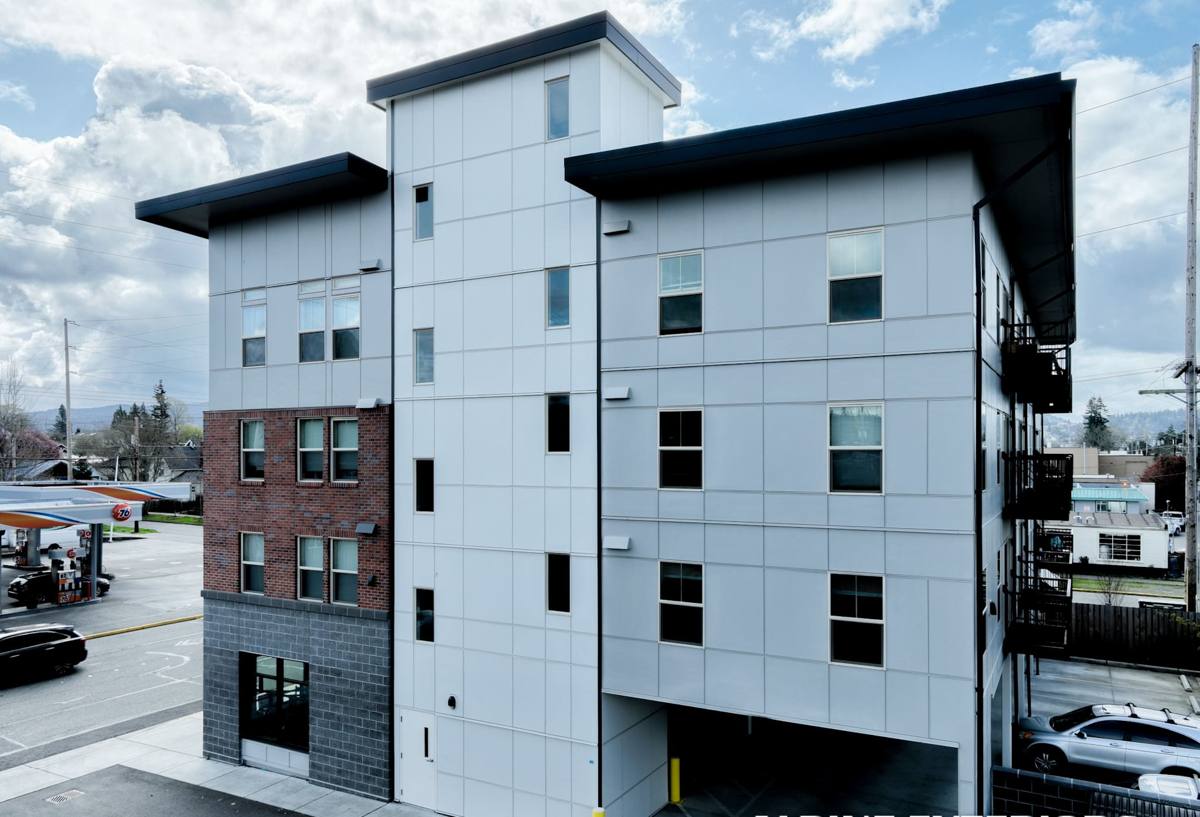
What Whatcom County's Climate Does to Siding Over Time
Driving Rain and Wind-Driven Moisture
Whatcom County doesn't just get a lot of rain — it gets rain that's frequently pushed sideways by wind coming off the water. That matters because most siding products are designed to shed water moving downward, not water being forced upward and sideways under laps, around trim, and into seams. Over years, wind-driven rain finds every small gap in flashing, caulking, and butt joints that a calmer climate would never expose.
Salt-Laden Marine Air
The marine air that defines this part of Whatcom County carries a fine load of salt and moisture inland, and it doesn't stop at the shoreline. That air settles into siding surfaces, fasteners, and trim day after day. On wood-based and untreated products, it accelerates surface breakdown and corrodes fasteners from the outside in — often long before a homeowner notices anything wrong from the ground.
The Long Moss Season
Shaded, north-facing, and tree-lined walls in Barkley stay damp for a large part of the year, and moss doesn't need much more than that to take hold. Moss holds moisture directly against the siding surface far longer than open air would, which turns a product's ordinary moisture tolerance into a much bigger liability on the walls that get the least sun.
Common Siding Repair Needs We See in Barkley Homes
Not every repair call is the same, but a handful of issues show up again and again on homes in this area. Recognizing them early is the difference between a small repair and a much larger one.
- Soft or spongy siding near the bottom courses, usually from long-term splash-back or poor grade slope
- Moss and dark staining concentrated on north- and east-facing walls that get less direct sun
- Cracked or lifting caulk at butt joints and trim, letting wind-driven rain track behind the siding
- Rusted or popped fasteners on older installations, especially where marine air has had decades to work on them
- Warped, delaminating, or swollen panels on wood-based or engineered wood siding near ground level
- Paint failure that keeps recurring in the same spots no matter how often it's repainted
- Gaps or separation around window and door trim where water has been quietly getting behind the cladding
What a Correct Siding Repair Actually Involves
Diagnosing the Real Cause Before Touching the Wall
Swapping out a damaged board without figuring out how water got behind it in the first place just buys time. Before we repair anything, we look at grading, gutter and downspout performance, roof runoff paths, and the condition of the water-resistive barrier behind the siding. If the underlying cause isn't addressed, the replacement piece fails on the same timeline as the one it replaced.
Matching Materials Correctly
A patch that doesn't match the existing siding's profile, reveal, and finish stands out immediately and can also create a mismatched moisture performance between old and new material. When we repair an existing James Hardie installation, we match the plank width, texture, and ColorPlus finish so the repair reads as part of the wall, not a visible fix.
Flashing and Water Management First, Cosmetics Second
Most siding failures we open up in Barkley aren't really siding failures — they're flashing failures that eventually damaged the siding. Correct repair work means re-flashing any penetration, seam, or trim intersection that's been letting water in, and confirming proper overlap and drainage behind the new material before it ever gets fastened down.
Repair vs. Replacement: How We Help You Decide
Not every damaged wall needs a full re-side, and not every problem area can be responsibly patched. We walk homeowners through the real trade-offs rather than defaulting to whichever job is bigger.
| Factor | Points Toward Repair | Points Toward Replacement |
|---|---|---|
| Extent of damage | Isolated to one or two wall sections | Recurring across multiple elevations |
| Underlying material | Sound James Hardie or comparable fiber cement | Widespread rot in wood-based or engineered wood siding |
| Age of existing siding | Within its expected service life | Near or past the end of its realistic lifespan |
| Moisture intrusion history | One identifiable, correctable source | Chronic water damage from multiple long-term sources |
| Cosmetic match | Existing color/profile still available or close enough | Discontinued profile or heavily faded, mismatched finish |
When repair is the right call, we say so — a smaller, correctly executed repair is a better outcome for a homeowner than an oversized project they didn't need.
Timing Matters: When to Schedule Repairs in a Climate Like This
In Whatcom County, timing a siding repair around the calendar isn't optional the way it might be in a drier climate. Caulking, sealants, and any factory-matched touch-up finish need a real dry window to cure and bond correctly — trying to seal a seam during a stretch of steady rain just traps moisture behind the repair instead of keeping it out. That's why the late spring through early fall window tends to produce the most durable results for non-emergency repair work.
That doesn't mean repairs can't happen the rest of the year. Storm damage, a failed flashing detail, or an active leak doesn't wait for good weather, and we respond to those on their own timeline. But for the more common issues — moss staining, aging caulk joints, a section of siding that's started to look tired — getting ahead of the wet season rather than waiting until January is what keeps a small repair from turning into a bigger one. A gap that sits open through a Whatcom County winter takes in far more water than the same gap patched in September.
Why We Repair Exclusively With James Hardie Fiber Cement
We install and repair James Hardie fiber cement siding only — we don't work in vinyl, LP SmartSide, Cemplank, Allura, primed spruce, or cedar. That's a deliberate standard, not a limitation we apologize for. In a climate like this one, the materials that struggle most are the ones most sensitive to sustained moisture and biological growth: wood-based products can swell, delaminate, or rot at the exact damp, shaded wall sections that give Barkley homes the most trouble, and some engineered wood products carry moisture-related warranty exclusions that become relevant in exactly this kind of climate.
James Hardie's fiber cement is non-combustible, dimensionally stable in wet-dry cycling, and finished at the factory with ColorPlus technology, which holds color and resists the fading and chalking that constant marine humidity causes on field-painted surfaces. It's also backed by a strong transferable warranty that matters more, not less, in a climate that stress-tests siding this consistently. When we repair a Hardie wall, we're extending a system that was engineered for weather like this. When we're asked to patch a different product, we tell homeowners honestly what to expect from it going forward.
Our Process for Barkley Siding Repair Calls
- On-site inspection of the damaged area and the surrounding wall assembly, not just the visible symptom
- Diagnosis of the moisture or mechanical source causing the damage, including flashing, grading, and drainage review
- A written scope that separates what needs repair now from what's worth monitoring
- Removal of damaged material and correction of the underlying water management issue
- Installation of matched James Hardie material, fastened and flashed to manufacturer specification
- Final walk-through so you understand exactly what was fixed and why
We don't upsell a repair into a full re-side unless the wall genuinely needs it, and we don't hand back a wall with the same drainage problem it had before we showed up.
Why a Crew That Already Works Barkley Matters
A contractor who mainly works drier parts of the state will often repair Barkley siding the way they'd repair siding anywhere — patch, caulk, repaint, done. That approach tends to hold up fine somewhere with less rain and a shorter wet season, and it tends to fail here within a few winters. A crew that works this neighborhood regularly already knows which wall orientations take the worst of the driving rain, which older installations are due for fastener issues, and which "cosmetic" moss staining is actually a sign of moisture sitting behind the siding. That local pattern knowledge shortens the diagnosis and helps get the repair right the first time, instead of the second or third.
If you've got a section of siding in Barkley that's cracking, staining, softening, or just not holding paint the way it used to, we're glad to take a look. Reach out for a free, no-pressure estimate — we'll tell you honestly whether it's a repair or something bigger, and why.