 Sudden Valley
 Why Deck Building in Deming Takes a Different Approach
Deming sits along the Nooksack River corridor in Whatcom County, where wooded lots, heavy tree cover, and a wetter, cooler microclimate than the open coast create conditions that are tough on outdoor structures. A deck built with generic, one-size-fits-all methods might look fine the day it's finished, but within a few seasons it can show soft spots at the ledger, black streaking on the boards, and rust bleeding from fasteners. Building a deck that actually holds up here means designing for moisture from the start, not just picking attractive decking and hoping for the best.
This page covers what we build differently for Deming properties specifically — the framing and flashing details that matter most in a shaded, damp environment, the material trade-offs worth understanding before you choose, and what our process looks like from the first walkthrough to the final inspection.
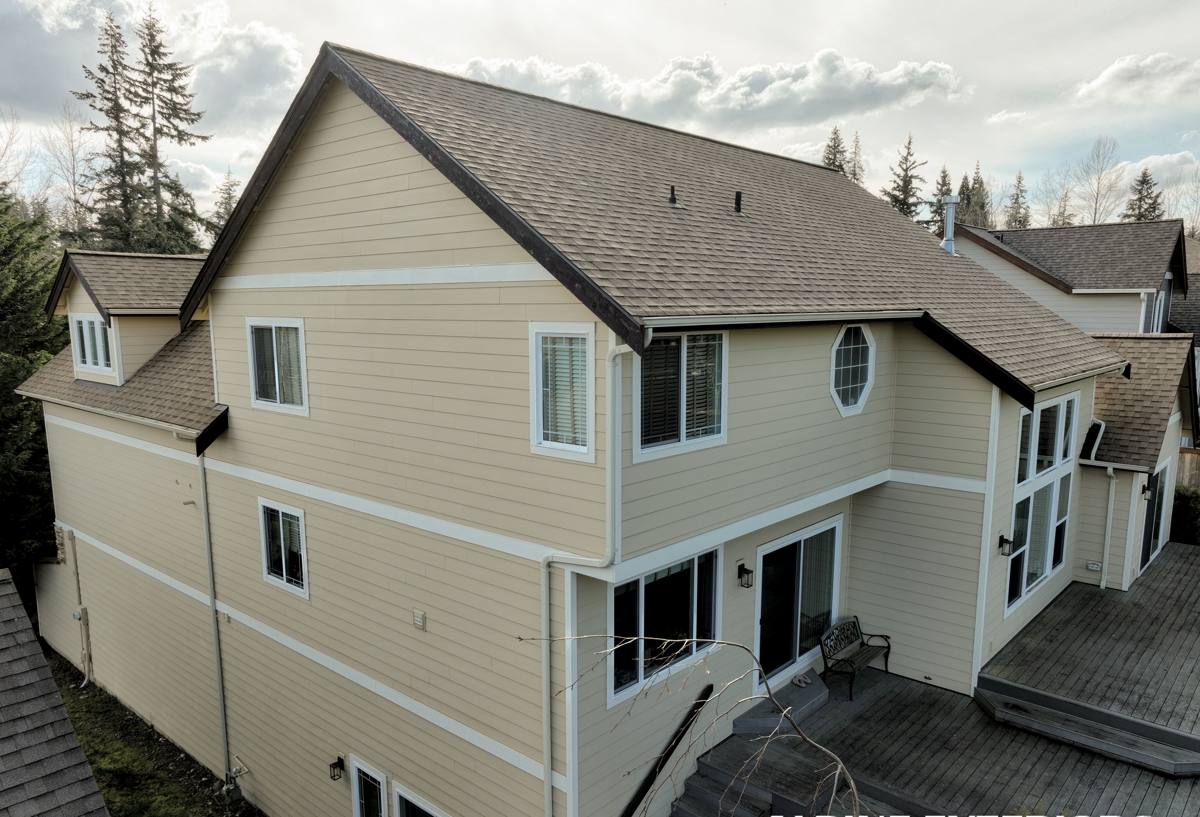
What the Local Climate Does to a Deck Over Time
Whatcom County's marine-influenced climate means long stretches of overcast, drizzly weather, occasional wind-driven rain, and air that carries a faint salt influence even well inland on stormy days. Combine that with the shade thrown by mature trees common on Deming lots, and you get surfaces that stay damp longer than they would in full sun. That has real consequences for a deck.
Moisture at the Ledger Board
The ledger board — where the deck attaches to the house — is the single most common failure point we see on older decks in this region. If the flashing behind it wasn't installed correctly, or wasn't installed at all, water works its way behind the siding and into the rim joist. By the time it's visible, there's often already rot in framing that's expensive to access and repair.
Moss, Algae, and Slick Surfaces
A long moss season is a fact of life in this part of Washington. Shaded, north-facing, or tree-covered decks stay damp for days after a storm, which gives moss and algae time to establish. Beyond the cosmetic issue, a mossy deck surface gets genuinely slippery, and moss holds moisture against the wood or composite surface longer than it would otherwise sit.
Wood Movement and Fastener Corrosion
Repeated wet-dry cycles cause wood framing and decking to expand and contract, which loosens fasteners over time. Standard or undersized fasteners in this environment corrode faster than homeowners expect, leaving rust streaks and, eventually, weakened connections at critical structural points.
Decking Material Options for Deming Homes
There's no single "best" decking material — the right choice depends on how much sun and shade the deck gets, how much upkeep you're willing to do, and your budget. Here's how the common options compare for a shaded, damp Whatcom County lot.
| Material | Upfront Cost | Moisture Behavior | Maintenance in Shade/Moss Areas |
|---|---|---|---|
| Pressure-treated wood | Lowest | Absorbs and releases moisture readily; prone to checking and cupping if not sealed | Needs cleaning and re-sealing every 1-2 years to resist moss and rot |
| Cedar | Moderate | Naturally rot-resistant but still needs finish maintenance | Regular cleaning and periodic oil/stain to hold color and resist moss |
| Capped composite | Higher | Doesn't absorb moisture like wood; resists rot at the board level | Occasional washing; moss can still grow on the surface film in constant shade |
| PVC decking | Highest | Fully synthetic, no wood fiber to rot | Lowest maintenance, though surface can still need washing where debris and moss collect |
Homeowners with heavily shaded lots often lean toward composite or PVC precisely because they don't have to keep up with annual sealing on top of the extra cleaning shade already demands. That said, a well-built and properly maintained wood deck is a perfectly sound, budget-friendly choice — the key word is "maintained."
What a Correctly Built Deck Actually Involves
The decking material gets most of the attention, but the parts you don't see are what determine whether the deck lasts fifteen years or forty. A correct build includes:
Footings Sized for the Ground They're In
Footing depth and diameter need to match the soil conditions and the load the deck will carry, not just the minimum a plan calls for. Wooded, moisture-retentive soils common around Deming can behave differently than open, well-drained lots, which is part of why we evaluate each site rather than reusing a stock footing spec.
Ledger Flashing Done Properly
Correct ledger attachment means proper flashing integrated with the house's water-resistive barrier, not just a bead of caulk. This is the detail that prevents the hidden rot problem described earlier, and it's not a place to cut corners to save time.
Fasteners and Hardware Rated for Wet Exposure
We use structural hardware and fasteners rated for exterior, high-moisture exposure — stainless or heavy-coated options at connection points that see the most water — rather than standard fasteners that will corrode faster in this climate.
Airflow Underneath
Decks built low to the ground or over damp, shaded soil need enough clearance and, where possible, ventilation to let the framing dry out between rain events. A deck that never gets a chance to dry underneath is a deck that rots from below, out of sight.
Guardrails and Stairs Built to Hold Up, Not Just Pass Inspection
Railings and stair stringers take a lot of repeated stress and are often the first thing to loosen on a poorly built deck. We build these connections to the same standard as the deck's structural frame, not as an afterthought.
Our Deck Building Process
Every property is different, but the process we follow stays consistent:
- On-site walkthrough to assess the lot, sun/shade exposure, existing structure (for replacements), and how the deck will be used.
- Design and material conversation, including an honest rundown of trade-offs for your specific site — not just whatever has the highest margin.
- Permitting and engineering as required for the scope of work.
- Demolition of the old deck (if applicable) and inspection of the ledger area and framing underneath for hidden damage.
- Framing, footings, and ledger flashing installed to the standard described above.
- Decking, railing, and stair installation.
- Final walkthrough with you before we consider the job done.
We don't skip the walkthrough steps to move faster. A deck built quickly and a deck built correctly aren't always the same timeline, and we'd rather be straightforward about that up front.
Permits and Code Considerations
Most new decks and many deck replacements in Whatcom County require a building permit, and elevated decks typically require guardrails and stair specifications that meet current code — railing height, baluster spacing, and stair rise/run all have requirements that aren't optional. We handle the permitting conversation as part of the project rather than leaving it for the homeowner to sort out separately. If you're unsure whether your planned project needs a permit, that's a normal question to ask before work starts, not after.
Maintenance Checklist for Deming Decks
Whatever material you choose, a little seasonal attention goes a long way in this climate. A practical maintenance routine for a shaded or wooded Whatcom County lot looks like this:
- Sweep debris (needles, leaves, seed pods) off the deck regularly — trapped organic material holds moisture and feeds moss growth.
- Wash the surface at least once a year with a deck-safe cleaner to remove moss, algae, and grime before it gets established.
- Check and clear gaps between boards so water can drain through rather than pooling.
- Inspect the ledger board area and any visible framing each spring for soft spots, staining, or gaps in flashing.
- Re-seal or re-stain wood decking on the schedule the finish product calls for — don't wait until it visibly fails.
- Tighten or replace any fasteners showing rust streaks before they weaken the connection.
- Trim back overhanging branches where practical to reduce shade and debris buildup on the deck surface.
Why a Crew That Already Works in Deming Matters
A contractor who mainly works in drier, sunnier parts of the state may not think twice about ledger flashing details or footing depth the way a crew that works this specific corner of Whatcom County does. We've seen what happens to decks built without accounting for the shade, moisture, and moss pressure that's normal around here, and we build to avoid those failure points rather than fix them five years later. That local familiarity shows up in small decisions — material recommendations based on how much sun a lot actually gets, fastener choices that account for the damp framing cavity, and a maintenance conversation that reflects what your deck will really face through a Whatcom County winter.
If you're planning a new deck or need to replace one that's showing its age, we're glad to take a look and talk through what makes sense for your property. Use the form below to request a free, no-pressure estimate — there's no obligation, just a straight assessment of your site and options.