 Sudden Valley
 Fairhaven's Roof Problems Aren't Quite Like Everywhere Else in Whatcom County
Fairhaven sits close to Bellingham Bay, and that changes what a roof has to deal with compared to a home a few miles inland around Sudden Valley or Lake Whatcom. The bay puts salt-laden air into the mix year-round, on top of the driving rain and long wet moss season that every roof in this part of Washington already contends with. A repair plan that works fine inland can fall short here if it doesn't account for the extra corrosion and biological growth that coastal exposure brings.
This page is specifically about roof repair for Fairhaven homes — not a general overview of siding or full re-roofs. If your roof has a leak, damaged flashing, lifted shingles, or a moss problem that's gone past cosmetic, this is what we look at and how we fix it.
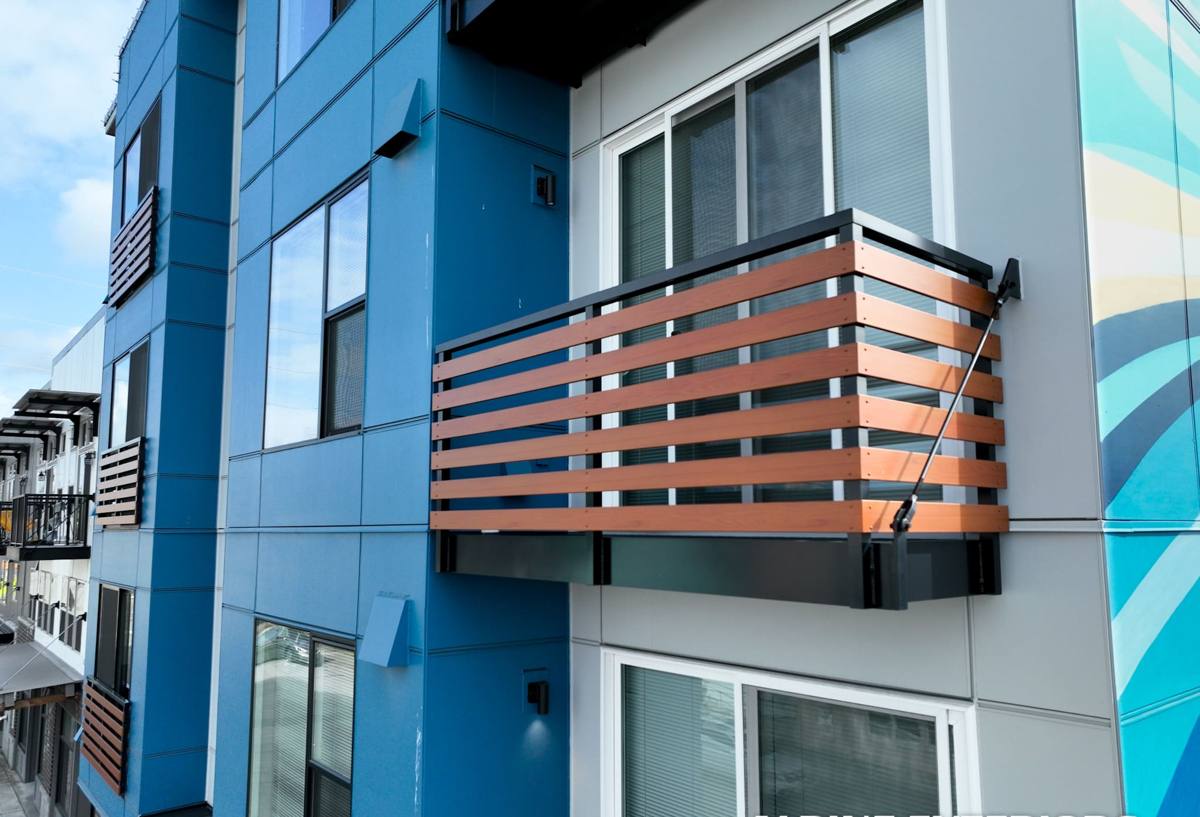
What Salt Air Off the Bay Does to a Roof
Salt air is corrosive to metal, and a roof has more metal in it than most homeowners realize — flashing around chimneys and skylights, drip edge, roofing nails, vent caps, and gutter hardware. Closer to the water, that metal breaks down faster than it would inland. Once flashing starts to pit or a fastener corrodes and loosens, water finds a path underneath the roofing material, and a small point of failure becomes a slow leak that can go unnoticed for months.
Where it shows up first
- Rust streaking below metal flashing or vent stacks
- Corroded or backed-out nails at roof edges and penetrations
- Pitted or thinning metal drip edge along eaves
- Gutter hangers and fasteners failing earlier than expected
None of this means a roof near the water is a bad investment — it means the repair materials and fastener choices matter more here than they would a few miles away, and that inspections should specifically check the metal components, not just the shingles.
The Long Moss Season and What It Actually Does to Shingles
Whatcom County's wet season runs long, and shaded, north-facing, or low-slope sections of roof stay damp for weeks at a stretch. That's exactly the environment moss needs. A light dusting of moss is mostly a cosmetic issue. Established moss is not — it holds moisture directly against the shingle surface, and on asphalt shingles that constant dampness breaks down the granules and the mat underneath faster than normal weathering would.
How moss turns into a leak
Moss doesn't just sit on top of shingles — it grows into the tab edges and laps, physically lifting them. Once a shingle edge is lifted even slightly, wind-driven rain gets underneath it instead of running over it. That's the point where a moss problem stops being cosmetic and starts being a repair issue.
Signs it's past routine cleaning
- Moss thick enough to see a raised profile from the ground
- Granule buildup in gutters or at downspout outlets
- Curling or lifted shingle edges in mossy areas
- Dark staining or soft spots on interior ceilings below affected areas
Driving Rain and Wind-Driven Water Intrusion
Storms coming off the water don't just drop rain straight down — wind pushes it sideways and up under laps, flashing, and roof-to-wall transitions that would stay dry in a calmer rain. This is why the details around chimneys, dormers, skylights, and where a roof meets a wall are so often where Fairhaven repair calls originate, rather than the open field of the roof itself. A roof can look intact from the ground and still be letting water in at one of these transitions.
Where wind-driven rain typically finds a way in
- Step flashing where a roof meets a sidewall
- Chimney and skylight counterflashing
- Valleys, especially where debris has partially blocked the channel
- Ridge and hip caps loosened by wind uplift
Common Repair Issues We See on Fairhaven Roofs
The right repair depends heavily on what the roof is made of. Here's how the common roofing materials in this area typically hold up against salt air and moss, and what repairs tend to look like on each.
| Roofing Material | Salt Air / Coastal Exposure | Moss & Moisture | Typical Repair Work |
|---|---|---|---|
| Asphalt shingle | Moderate — fasteners and flashing are the weak point, not the shingle itself | Most vulnerable — granule loss and mat softening under moss | Shingle replacement, flashing resealing, moss removal and treatment |
| Metal roofing/flashing | Most affected — coastal air accelerates corrosion at seams and fasteners | Generally sheds moss well if slope is adequate | Fastener replacement, seam resealing, corrosion spot-repair |
| Cedar shake | Moderate, if maintained | High — retains moisture, moss roots into the wood grain | Shake replacement, moss removal, treatment to slow regrowth |
| Composite/synthetic | Low to moderate | Lower than asphalt, but flashing details still matter most | Mostly flashing and fastener work rather than the field material |
What a Correct Roof Repair Actually Involves
A repair that just patches the visible symptom often fails again within a season or two, especially with the extra stress salt air and moisture put on materials here. A repair done right addresses the cause, not just the leak point.
- Trace the leak to its actual entry point, which is often several feet from where water shows up inside
- Check and replace corroded fasteners and flashing, not just the shingles around them
- Remove moss by hand or low-pressure method rather than pressure-washing, which can drive water under shingles and strip granules
- Match repair materials to what's already on the roof so the patch weathers evenly instead of standing out or aging at a different rate
- Check the roof deck underneath for soft spots or rot before closing the repair back up
- Clear valleys and gutters so the repaired area isn't sitting under standing water again within a month
Our Process for Fairhaven Roof Repairs
- Inspection. We walk the roof (or use a ladder/lift where pitch or height requires it) and check flashing, fasteners, valleys, and moss coverage — not just the spot you called about.
- Diagnosis and honest explanation. We tell you what's actually causing the problem, what's cosmetic versus what's structural, and what happens if it's left alone.
- Written estimate. A clear scope and price before any work starts — no surprise add-ons once we're on the roof.
- Repair. We do the work with materials suited to coastal exposure, not whatever's cheapest to source.
- Follow-up. We check that the fix holds through the next real rain event before considering the job closed.
Repair or Replace? Cost Factors Worth Weighing
Not every roof problem in Fairhaven needs a full replacement, and not every roof problem should be patched indefinitely either. These are the factors that actually decide which side of that line a roof falls on.
| Factor | Leans Toward Repair | Leans Toward Replacement |
|---|---|---|
| Roof age | Well within expected lifespan | Near or past the material's typical service life |
| Extent of damage | Isolated to one section or detail | Widespread across multiple slopes |
| Deck condition | Solid, no rot found | Soft spots or rot found under multiple areas |
| Moss history | First significant occurrence, caught early | Repeated moss damage over several seasons |
| Cost | Generally a few hundred to a couple thousand dollars depending on scope | A larger upfront cost, but resets the clock on the whole roof |
If a roof is otherwise sound, a properly done repair is the honest recommendation and usually buys years of service. We'll tell you plainly if we think you're better off putting money toward replacement instead of repeated patching.
Why Hiring a Crew That Already Works Fairhaven Matters
A contractor who works this specific area regularly already knows which roofing details tend to fail first this close to the bay, how aggressive the moss season gets on shaded lots, and what materials actually hold up against the salt air rather than just performing well in a showroom. That's different from general roofing experience gained somewhere drier or further inland. It also means a faster, more accurate diagnosis on the first visit, because we're not guessing at conditions we've never dealt with before — we're comparing your roof to others we've already repaired nearby.
Whatcom County's coastal neighborhoods also mean access and safety considerations change house to house — steep pitches, tree cover, and proximity to the water all factor into how a repair gets staged and completed safely and correctly.
If you've got a leak, visible moss damage, or just want an honest read on what shape your roof is in, we're happy to take a look. Fill out the form below for a free, no-pressure estimate.