 Sudden Valley
 Why Ferndale Homes Need Windows Built for This Climate
Ferndale sits close enough to the water that salt-laden air is a real factor in how fast a window's frame, hardware, and finish break down. Add in Whatcom County's driving rain — the kind that comes in sideways during a winter system off the Strait — and a long stretch of the year where moss, algae, and moisture just sit on north-facing surfaces, and you've got a climate that's genuinely harder on windows than most manufacturers' warranty language assumes. Homes here don't fail because owners neglected them. They fail because standard installation details and standard materials were never tested against this specific combination of salt, wind-driven water, and prolonged damp.
Custom windows aren't a luxury upgrade in this context — they're often the only way to get a window that actually fits an older Ferndale home's rough opening, matches an addition's roofline, or seals correctly against a wall assembly that wasn't built to modern standards. When we talk about "custom," we mean windows sized, detailed, and installed to match the actual conditions of your house, not a big-box standard size forced into an opening that doesn't quite match.
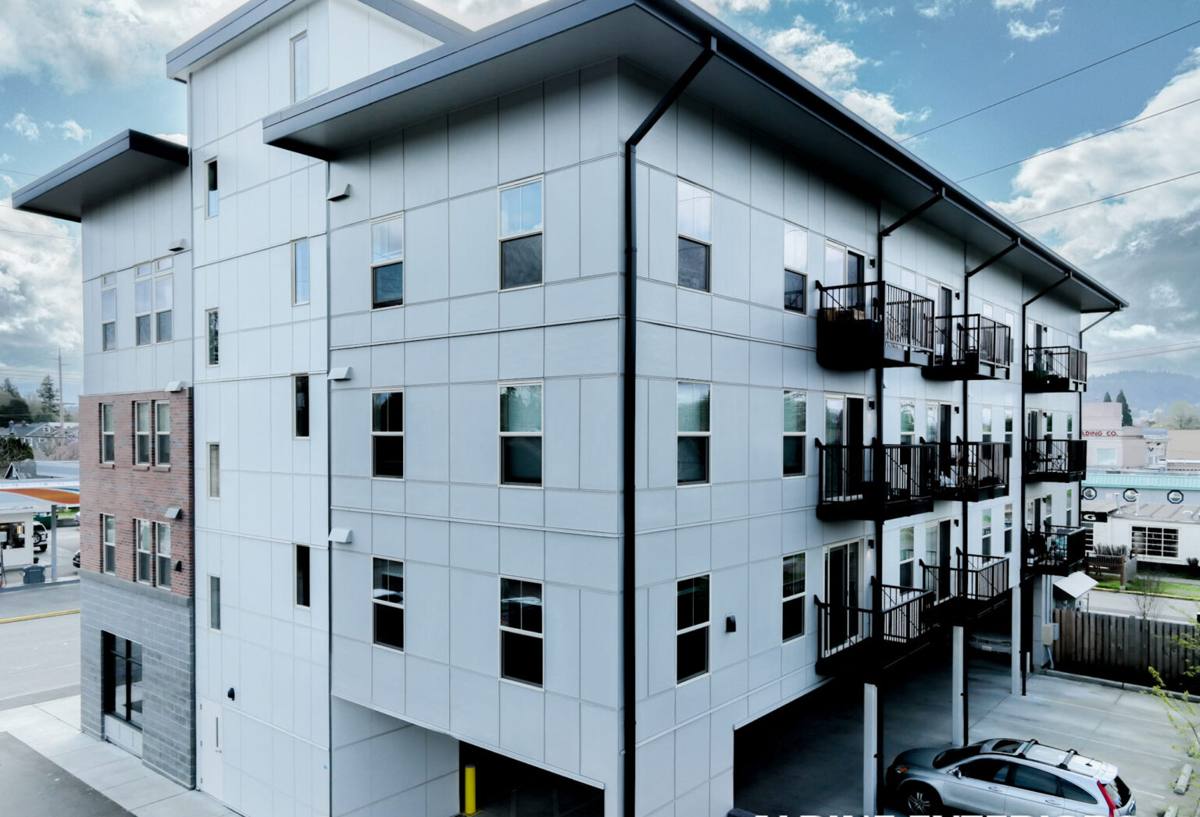
What "Custom" Actually Means for a Ferndale Home
Non-Standard Openings
A lot of homes in this area — especially anything built before the 1980s, or additions that were framed by hand rather than to a plan set — have openings that don't match a factory stock size. Custom windows are built to the exact rough opening, which matters more here than in a dry climate because a poorly fitted window leaves gaps that driving rain will find eventually, even with good caulk.
Matching Sightlines and Grid Patterns
If you're replacing a few windows on a street-facing wall while leaving others in place, matching sightline height, grid pattern, and frame width keeps the house looking intentional rather than patched. This is a detail that gets skipped when someone orders whatever's in stock rather than actually measuring against the windows staying in place.
Coastal-Rated Glass and Hardware Options
Custom orders also let you choose glass coatings, gas fills, and hardware finishes rated for salt exposure — options that aren't always available on a builder-grade stock unit. That matters for anything within a few miles of Bellingham Bay or the Strait, where standard mill-finish hardware can start showing pitting well before a window's expected service life is up.
Frame Material: What Actually Holds Up Here
There's no single "best" window material — there's a best material for your specific exposure, budget, and how much upkeep you're willing to do. Here's how the common options actually perform under Whatcom County's salt air and rain load, not just their marketing claims.
| Frame Material | Salt Air Behavior | Moisture/Rot Risk | Maintenance | Relative Cost |
|---|---|---|---|---|
| Vinyl | Won't corrode; UV can chalk over many years | Low — won't rot, but poor seals let water track into the wall | Low | $ |
| Fiberglass | Excellent — very stable, resists pitting and expansion | Low | Low | $$$ |
| Wood-clad | Cladding protects wood, but any breach exposes the wood core | Moderate to high if seals fail | Moderate to high | $$$ |
| Aluminum | Poor without marine-grade coating — prone to pitting near salt air | Low rot risk, but conducts cold and can condensate | Low to moderate | $$ |
Our default recommendation for anything close to the water is vinyl or fiberglass, both because of how they handle salt exposure and because their maintenance burden stays low through a long, wet Whatcom County winter. Wood-clad can still be the right call for a historic home where appearance matters more than anything else, but we tell every homeowner up front that it means real upkeep — inspecting and resealing cladding joints, and catching any breach before moisture gets behind it.
Installation Details That Matter More Here Than Elsewhere
A window is only as good as its installation, and in a climate with sustained driving rain, the installation details that get skipped on a rushed job are exactly the ones that cause leaks two or three years down the line — long after the crew that installed it is gone.
Sill Pans and Flashing
Every custom window we install gets a sloped sill pan and properly lapped flashing tied into the home's weather-resistive barrier. This is standard building science, but it's also the single most commonly skipped step on lower-bid jobs, because it takes real time to do correctly and nobody sees it once the window is in.
Weep Systems That Actually Work
Windows are designed to let a small amount of water into the frame track and drain back out through weep holes. If those weep paths get blocked by paint, debris, or a poorly set sill, water backs up into the wall instead of draining outside. We check and clear weep function as a standard step, not an afterthought.
Sealant Choice and Placement
Not every caulk or sealant is rated for constant wet exposure, and using the wrong one — or over-sealing in a way that traps moisture instead of letting it drain — causes more problems than it solves. We use sealants rated for sustained moisture exposure and apply them only where they're supposed to go, not as a substitute for proper flashing.
Our Process for a Ferndale Custom Window Project
- On-site assessment. We look at existing window condition, framing, siding type, and exposure — a wall facing prevailing weather off the water gets treated differently than a sheltered side.
- Exact measurement. Every opening is measured individually. We don't assume symmetry between openings that look similar but were framed slightly differently.
- Material and glass selection. We walk through frame material, glass package, and hardware options against your budget and how much maintenance you want to take on.
- Installation. Removal of the old unit, inspection of the framing and sheathing underneath for hidden moisture damage, sill pan and flashing installation, unit setting, shimming, and insulation.
- Sealing and finish work. Interior and exterior trim, sealant, and a final function and weep check before we call the job done.
- Walkthrough. We show you what was done, what to expect from the new windows, and what basic maintenance keeps them performing.
Signs Your Current Windows Are Losing the Fight
Salt air and moisture damage build slowly, so a lot of Ferndale homeowners live with a failing window for years before it becomes obvious. Here's what to check for:
- Fogging or moisture between panes of double- or triple-glazed glass — the seal has failed
- Visible pitting, corrosion, or white powdery buildup on aluminum or metal hardware
- Soft or discolored trim/sill wood, especially on walls facing prevailing wind and rain
- Drafts you can feel with a hand near the frame on a windy day
- Difficulty opening, closing, or latching — frames can swell or warp with sustained moisture exposure
- Moss or dark streaking building up on the sill or below the window on siding
- Noticeably higher heating bills without another clear cause
Cost Factors for a Custom Window Project
Custom window pricing depends on more than just the size of the opening. These are the factors that actually move the number:
| Factor | Why It Affects Cost |
|---|---|
| Frame material | Vinyl is the most affordable; fiberglass and wood-clad cost more up front but differ in long-term maintenance needs |
| Opening condition | Rot or hidden moisture damage found during removal adds repair work before a new window can be set correctly |
| Glass package | Coatings, gas fills, and impact-rated glass all add cost but can matter for wind and sun exposure |
| Grid pattern and custom shapes | Matching an existing grid pattern or building an arched or oddly-shaped unit takes more fabrication time |
| Number of openings | Doing multiple windows in one project usually brings a lower per-unit cost than one-off replacements |
| Access and site conditions | Second-story or hard-to-access openings take more labor time |
We give straightforward, itemized quotes so you can see exactly where the money is going, and we'll always tell you honestly if a cheaper material is a reasonable choice for a given wall's exposure, or if it's a place where spending more up front will actually save you money in maintenance and energy costs.
Why a Crew That Already Works Ferndale Matters
Window installation done to a generic national standard doesn't always account for what actually happens to a house a few miles from saltwater with a long wet season and heavy moss growth. A crew that works this specific stretch of Whatcom County has already seen what fails here — which sealants hold up, which hardware finishes pit early, where moss buildup tends to trap moisture against a sill, and how driving rain actually moves across a wall during a winter storm. That's knowledge you don't get from a manufacturer's install manual, and it shows up in the details: flashing laps oriented the right way for prevailing wind, sealant choices rated for constant wet exposure, and material recommendations based on how a wall actually performs here rather than a generic climate zone.
It also means someone local who stands behind the work is easy to reach if a question comes up later — not a call center for a company that installed once and moved on.
Maintenance That Extends the Life of New Windows
Even the right window in the right material needs some basic upkeep in this climate. A simple annual routine goes a long way:
- Rinse salt residue off frames and glass a couple of times a year, especially after storms
- Clear moss and debris from sills and tracks before it holds moisture against the frame
- Check and clear weep holes so water can drain as designed
- Inspect exterior sealant annually and have any cracked or separated caulk redone before winter
- Operate hardware periodically through the year so moving parts don't seize from disuse
If you're not sure whether your current windows are worth repairing or replacing, or you want a straight answer on what material makes sense for your home's exposure, we're glad to take a look. Fill out the form below for a free, no-pressure estimate.