 Sudden Valley
 Deck Repair in Happy Valley: What This Climate Does to a Deck
A deck in Happy Valley takes a different kind of beating than a deck in a dry inland climate. Whatcom County sees long stretches of driving rain, salt-laden marine air rolling in off the water, and a moss season that can stretch from October clear into May. None of those things destroy a deck overnight. What they do is work slowly, in places you don't look at every day — under the decking boards, around fastener heads, behind ledger flashing — until a problem that would have been a quick fix two years ago is now a structural repair.
We've been doing deck repair work in and around Happy Valley long enough to know which failure patterns show up here again and again. It's rarely one dramatic thing. It's usually moisture finding a path it shouldn't have, sitting there because the wood or the fasteners couldn't shed it fast enough, and slowly turning a sound deck into a soft one. Understanding that pattern is the difference between a repair that lasts and one that's just a patch.
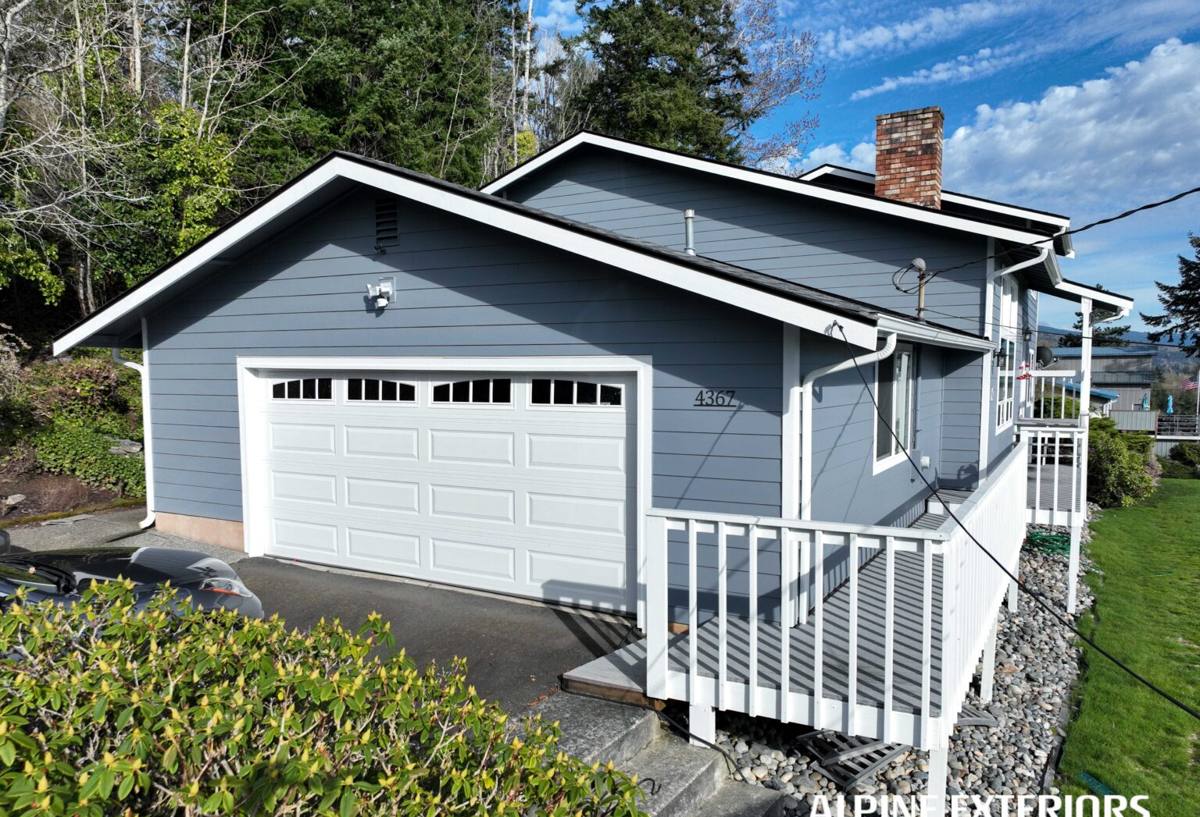
Signs Your Deck Needs Repair, Not Full Replacement
Most decks we look at in Happy Valley don't need to be torn out and rebuilt. They need specific components fixed before the damage spreads further. Here's how to tell the difference between a deck that's aging normally and one that's actively failing.
Structural signs worth taking seriously
- Bounce or give underfoot in one area but not others — usually a sign of a rotted or undersized joist
- Railing posts that wiggle at the base, which often means the post-to-frame connection has rotted or rusted through
- Soft or spongy spots when you press on the decking with your foot
- Visible gaps or separation where the deck ledger meets the house — this is a safety issue, not cosmetic
- Stair stringers that flex or show splitting at the cut ends
Cosmetic and surface signs that are still worth fixing
Graying wood, surface checking, and moss film on shaded boards are cosmetic and don't mean the deck is unsafe — but they're also not something to ignore. Moss and algae hold moisture against the wood far longer than bare wood exposed to sun and air movement, which accelerates the exact rot process that eventually does become structural. Catching this stage early with cleaning, board replacement, or refinishing is a fraction of the cost of catching it after it's spread into the framing.
What a Correct Deck Repair Actually Involves
Framing and structure
Any repair that touches decking boards but ignores the framing underneath is incomplete. We check joists, beams, and posts for soft spots with a screwdriver or awl, not just a visual look, because rot often starts on the underside or inside a joist before it shows on the surface. Sistering a joist — bolting a new piece of lumber alongside a compromised one — is a legitimate repair when the damage is limited and the rest of the structure is sound. Full joist or beam replacement is the right call when rot has gone through more than a small section.
The ledger board and house connection
The ledger board — where the deck attaches to the house — is the single most common point of hidden failure we find in this area. Flashing that was installed poorly, or wasn't installed at all, lets water track behind the ledger and into the rim joist of the house itself. This is exactly the kind of slow, invisible damage that driving rain and long wet seasons cause. A correct repair means pulling decking back far enough to inspect the ledger and flashing directly, not just caulking the visible seam and hoping.
Decking boards and surface
Individual board replacement is straightforward once the framing underneath is confirmed sound. The detail that matters is spacing and fastening — boards installed too tight, or face-nailed without proper gapping, trap moisture between them and accelerate the next round of rot. We match spacing to the existing deck where possible and use fasteners rated for the decking material, not whatever happens to be in the truck.
Fasteners, flashing, and hidden connections
Marine-influenced air carries salt that accelerates corrosion in standard fasteners. Rusted joist hangers, corroded carriage bolts, and failed screws are a recurring finding on older decks in this area, even when the wood around them looks fine. Part of a proper repair is replacing corroded hardware with stainless or heavily coated fasteners rated for exterior and coastal-adjacent exposure, not just re-driving a new screw next to the old hole.
Repair or Replace? Weighing the Real Cost Factors
Homeowners often assume that if a deck has problems, the whole thing needs to come out. That's rarely true. The table below covers the factors that actually determine whether repair or replacement makes sense.
| Factor | Favors Repair | Favors Replacement |
|---|---|---|
| Extent of rot/rust | Isolated to specific boards, posts, or connections | Widespread through multiple framing members |
| Age of deck | Under 15-20 years, original framing still sound | Older deck nearing end of framing lifespan |
| Ledger/flashing condition | Flashing intact, isolated leak point | No flashing present, or long-term water intrusion into house rim joist |
| Code compliance | Railings, guards, and stairs meet current requirements | Old railing spacing, height, or footing sizes don't meet current code |
| Budget goals | Extend usable life at lower cost now | Want a design change, larger footprint, or different material |
As a general rule, if the framing and footings are sound, repair is almost always the more cost-effective route — often a fraction of full replacement cost. Where we recommend replacement instead of repair, it's because the underlying structure has been compromised long enough that patching individual pieces would just mean revisiting the same deck again in a year or two.
Our Process for Deck Repairs in Happy Valley
- On-site inspection. We walk the full deck, check the ledger and flashing, probe framing at multiple points, and look at railing and stair connections — not just the area you called about.
- Written scope and honest estimate. You get a clear breakdown of what needs fixing now, what's borderline and worth watching, and a straightforward cost range — no surprise add-ons mid-job.
- Demo of only what's necessary. We remove decking and framing only where damage requires it, keeping sound material intact wherever possible to control cost.
- Structural repair first. Joists, ledger, flashing, and hardware get addressed before any new decking goes down — fixing the surface over a compromised frame just hides the problem.
- Decking, railing, and finish work. New boards are matched to existing spacing and fastening patterns, railings are checked for current code compliance, and everything is cleaned up before we leave.
- Final walkthrough. We go over what was repaired, what materials were used, and what maintenance will keep it in good shape going forward.
Materials We Use, and Why
For framing repairs, we use pressure-treated lumber rated for ground contact where it's within a few inches of soil or persistent moisture, and standard exterior-rated treated lumber elsewhere. For decking, the right choice depends on the homeowner's priorities:
- Wood decking costs less up front and can be refinished to match an existing deck, but requires periodic cleaning, sealing, and moss control to hold up through our wet season.
- Composite decking costs more initially but resists moss growth and moisture absorption better, which matters a great deal given how long our shaded, damp season runs.
For hardware, we standardize on stainless steel or heavy-duty coated fasteners and connectors rated for corrosive, coastal-adjacent environments. This is a small percentage of overall repair cost, but it's the single biggest factor in whether hardware failure shows up again in five years or in twenty. We don't cut corners here regardless of which decking material is chosen, because a beautiful new deck board fastened with an undersized or uncoated screw just relocates the next failure point.
Moss, Mildew, and Long-Term Deck Maintenance
A well-repaired deck still needs seasonal attention in this climate, especially on shaded sides of the house or under trees where moss gets a head start every fall. A simple annual routine goes a long way toward protecting the repair you just paid for:
- Sweep debris and standing leaves off the deck surface regularly through fall, since trapped organic matter holds moisture against boards
- Clean moss and algae off the surface before it builds a thick mat — a stiff brush and a deck-safe cleaner is usually enough if caught early
- Check that gaps between boards remain clear so water can drain through rather than pool
- Inspect the ledger board area at the house connection once a year, since this is the most common hidden failure point
- Reseal or refinish wood decking on the manufacturer's recommended schedule — don't wait until graying is severe
- Look at fastener heads for rust staining, which signals corrosion starting even if the wood around it still looks fine
Why Hiring a Crew That Already Works in Happy Valley Matters
Deck repair isn't a generic trade you can do the same way everywhere. A crew that works decks in dry, inland climates isn't necessarily thinking about ledger flashing the same way, or planning for moss and salt-air corrosion the way a crew based here does. We've repaired enough decks in this specific area to know where problems tend to originate, which fastener specs actually hold up, and how much wet-season buffer to build into a repair so it doesn't need revisiting in two years.
That local pattern recognition also means a faster, more accurate estimate. We're not guessing at what driving rain and a long moss season do to a deck here — we've seen it directly, repeatedly, on homes near yours.
If you've got a deck in Happy Valley that's showing soft spots, a wobbly railing, or moss that keeps coming back no matter what you do, we're glad to take a look. Fill out the form below for a free, no-pressure estimate — we'll tell you honestly what needs fixing now, what can wait, and what it'll cost.